





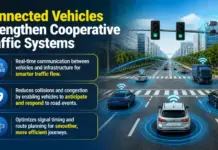



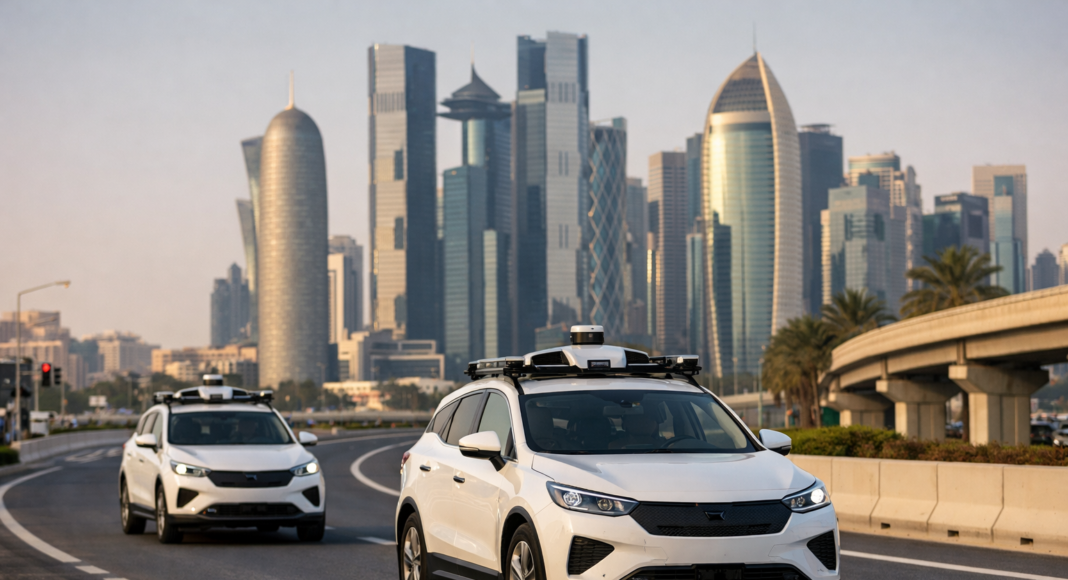
The Ministry of Transport in Qatar has finalized the initial phase of operational trials for autonomous vehicles, advancing its strategy for an artificial-intelligence-assisted transit network. Working in direct cooperation with Mowasalat (Karwa), officials evaluated technical, operational, and regulatory requirements necessary to integrate a Qatar autonomous electric taxi service into the existing public transit system while maintaining traffic safety standards and assessing overall infrastructure readiness.
Integration under the Transportation Master Plan for Qatar-2050
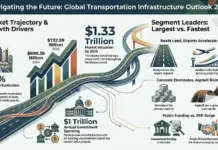
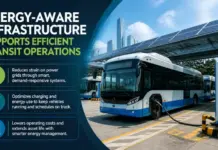
These autonomous vehicle trials form a core component of the Transportation Master Plan for Qatar-2050, a long-term strategic framework designed to expand land transit infrastructure, enhance public mobility, and accommodate future population growth and freight movement. By introducing the autonomous electric taxi platform alongside traditional networks, the initiative aims to lower carbon emissions, decrease fuel and energy consumption, and strengthen financial sustainability through refined transit demand policies and expanded private sector operational partnerships.
Data Platforms and Surface Transport Infrastructure
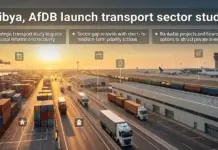
Recent developments across Qatar’s surface transport sector rely on Intelligent Transportation Systems (ITS) and spatial data analysis. The Ministry of Transport has implemented a national transport planning project focused on systematic traffic data collection to guide future policy. As part of this effort, the ministry studied the feasibility of establishing a digital Transportation Data Management System. Built upon geographic and spatial databases, this platform enables government agencies and consulting firms to analyze traffic flows and perform comprehensive transport studies meeting international standards.
Expected Economic and Operational Outcomes
The Ministry of Transport expects the overarching transportation master plan to generate measurable economic benefits. Key projections include reducing vehicle operating expenses, shortening travel times, lowering traffic accident rates, cutting emissions, and boosting overall sector revenue. The testing of autonomous vehicles with Mowasalat reflects broader efforts to maintain a resilient and secure transit network while supporting economic growth and overall quality of life.
