




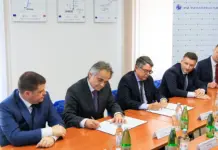






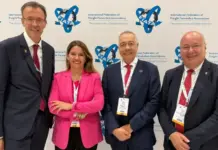



The Nigerian Maritime Administration and Safety Agency (NIMASA) and the Ghana Maritime Authority (GMA) have officially entered into a Memorandum of Understanding (MoU) to strengthen bilateral maritime cooperation. This strategic partnership, signed in Lagos, is designed to improve regional maritime governance and foster sustainable Blue Economy development throughout the West African region. By aligning their regulatory frameworks and operational strategies, both nations aim to create a more secure and efficient environment for maritime activities.
Strengthening Bilateral Ties and Institutional Capacity
During the signing ceremony, Dr. Dayo Mobereola, the Director General of NIMASA, expressed his gratitude for Ghana’s consistent support, particularly during Nigeria’s successful re-election to the International Maritime Organization (IMO) Category C Council. He noted that this maritime cooperation pact provides a practical and structured framework for deeper engagement. The collaboration will prioritize regional maritime safety, the mutual recognition of Certificates of Competency (CoC), and the sharing of technical knowledge to build institutional capacity. Furthermore, the agreement encompasses comparative research and joint enforcement initiatives to streamline regulatory effectiveness across both jurisdictions.
“We will continue to work together to grow our economies and make the maritime sector safer. This Memorandum of Understanding is a commitment to do better. NIMASA will fully play its part in implementing the agreement, while both institutions must establish annual implementation agendas to monitor progress and deliver tangible results,” he said.
Implementation Framework and Security Coordination
To ensure the objectives of the maritime cooperation agreement are met with measurable outcomes, NIMASA and GMA will establish a Joint Consultative Team (JCT). This body will be responsible for developing detailed action plans and monitoring the implementation of agreed-upon programs through designated focal persons. The JCT is scheduled to meet twice a year, with hosting duties alternating between Nigeria and Ghana to review progress and evaluate cooperation activities. This cooperative model is expected to significantly enhance Gulf of Guinea security by coordinating efforts to combat piracy, armed robbery at sea, and maritime terrorism.
A Milestone for Regional Maritime Leadership
Dr. Kamal-Deen Ali, Director General of the Ghana Maritime Authority, characterized the agreement as a major milestone for both administrations. He acknowledged Nigeria’s influential leadership role in the sector, stating that Ghana has historically drawn valuable lessons from studying Nigerian initiatives, such as its ship registry and Cabotage regime.
