















The vast expanse of our oceans has always served as the world’s most extensive highway for commerce, a lifeline connecting continents and driving global economies. Yet, this essential artery of trade comes with a significant environmental footprint. As the urgency of climate change intensifies, the maritime industry finds itself at a pivotal crossroads, facing an undeniable imperative to embark on a transformative journey towards net-zero emissions. This ambitious undertaking is not merely a regulatory compliance exercise but a fundamental re-imagining of how goods are moved across the globe, spearheaded by the emergence of green ports and decarbonized shipping. This twin-pronged approach is driving the net zero race, fundamentally reshaping maritime infrastructure, embracing innovative technologies, and fostering unprecedented collaboration across the value chain.
The global push for sustainability has shone a bright light on every sector, and shipping, responsible for approximately 3% of global greenhouse gas emissions, is no exception. With global trade volumes projected to continue their upward trajectory, inaction is simply not an option. The International Maritime Organization (IMO) has set ambitious targets for shipping emissions reduction, aiming for a 50% cut by 2050 compared to 2008 levels, with recent discussions hinting at even more aggressive pathways. Beyond regulation, growing environmental consciousness among consumers, pressure from investors focusing on maritime ESG factors, and the intrinsic responsibility to protect marine ecosystems are all coalescing to accelerate this transition. Transport Advancement highlights that the move towards net zero shipping is not just about environmental stewardship but also about future-proofing an industry vital to global prosperity.
The Pivotal Role of Green Ports in the Sustainable Maritime Ecosystem
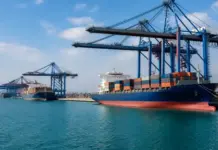
The concept of a traditional port, primarily a transactional point for cargo transfer, is rapidly evolving. Today, a new vision is taking hold, namely the green port. These are not just environmentally compliant facilities, but integrated hubs of sustainability, actively contributing to the decarbonization of the entire maritime logistics chain. Green ports are characterized by their commitment to reducing their own operational impact while simultaneously enabling vessels to achieve lower emissions.
Integrated Solutions for Port Decarbonization
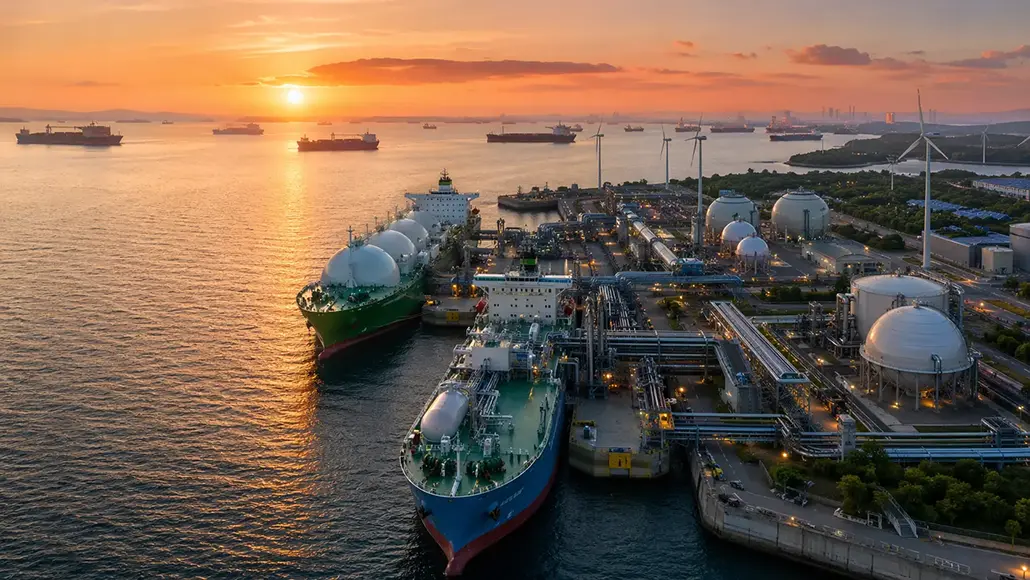
The transformation into a sustainable port involves a multi-faceted approach, incorporating a range of technological and operational innovations. Central to this is the integration of renewable energy sources within the port’s own operations. Imagine solar panels adorning warehouse rooftops, wind turbines dotting the landscape, and geothermal systems powering administrative buildings, all contributing to a port’s energy independence and significantly reducing its carbon footprint. This internal focus on clean energy extends to port machinery, with diesel-powered cranes and forklifts being systematically replaced by electric or hydrogen-powered alternatives, often charged by the port’s own renewable energy grid.
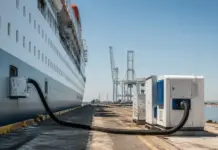
Beyond internal operations, green ports are becoming crucial enablers for decarbonized shipping. A key feature is the provision of clean maritime fuel bunkering infrastructure. This means developing facilities for storing and supplying new-generation fuels such as green methanol, green ammonia, liquified natural gas (LNG), or even hydrogen. The strategic placement of these bunkering hubs is critical to create viable alternative fuel corridors for vessels. Furthermore, onshore power supply, commonly known as “cold ironing,” allows vessels to switch off their auxiliary engines while at berth, plugging into the port’s clean electricity grid. This dramatically cuts down on local air pollution and greenhouse gas emissions in port areas, improving air quality for surrounding communities.
Another vital aspect is the deployment of smart port technology. This encompasses advanced digital systems for optimizing vessel movements, cargo handling, and inland transport connections. Real-time data analytics, artificial intelligence, and automation streamline operations, reducing idling times for vessels and trucks, thereby cutting fuel consumption and emissions. Efficient logistics, from optimized container stacking to predictive maintenance of equipment, ensures that every aspect of the port’s activity contributes to a leaner, greener operation. Waste management is also re-imagined in sustainable ports, moving towards circular economy principles where waste is minimized, recycled, or converted into energy, further cementing the port’s role as an environmental steward.
Decarbonizing Shipping: Navigating Towards Net-Zero Oceans
While green ports provide the essential infrastructure and services, the ships themselves must undergo a profound transformation. Decarbonized shipping is the ultimate goal, requiring significant innovation in vessel design, propulsion systems, and operational strategies. The journey towards net zero shipping is complex, demanding a portfolio of solutions rather than a single magic bullet.
The Evolution of Clean Maritime Fuel
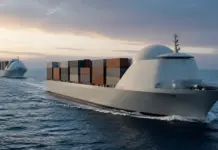
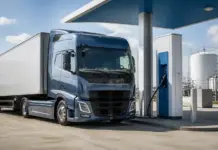
The most significant shift lies in the adoption of clean maritime fuel. While heavy fuel oil has long been the industry standard, its high carbon content and pollutant emissions are no longer sustainable. The industry is exploring several viable alternatives, each with its own advantages and challenges. Green ammonia and green hydrogen, produced using renewable energy, offer zero-carbon combustion (though ammonia poses toxicity challenges). Methanol, particularly green methanol derived from sustainable biomass or captured carbon, is a promising drop-in fuel that can be handled with relatively minor modifications to existing engines and bunkering infrastructure. Biofuels, derived from sustainable feedstocks, also present a low-carbon option, often blended with conventional fuels. For short-sea shipping and ferries, battery-electric propulsion is gaining traction, providing truly zero-emission operations within range.
Beyond fuel, significant strides are being made in energy efficiency measures. Modern vessel designs incorporate hydrodynamic hull optimization, air lubrication systems to reduce friction, and wind-assist technologies such as sails or rotor sails to harness natural energy. Route optimization, powered by advanced weather forecasting and AI, allows ships to navigate the most fuel-efficient paths, avoiding adverse conditions. Slow steaming, a practice of operating at reduced speeds, has also proven effective in significantly cutting fuel consumption and emissions, although it impacts transit times. The ongoing integration of digital technologies and automation further enhances operational efficiency, leading to substantial shipping emissions reduction. These advancements, taken together, are paving the way for a future where vessels are not only more environmentally benign but also more economically efficient.
The Symbiotic Relationship: Green Ports and Decarbonized Shipping
The success of the net zero race in the maritime sector hinges critically on the symbiotic relationship between green ports and decarbonized shipping. Neither can fully achieve its potential in isolation. A port cannot truly be “green” if the ships calling on it remain high-emission polluters, and vessels cannot embrace clean fuels without the necessary bunkering infrastructure and services at their destinations.
This interdependence necessitates massive investment in maritime infrastructure upgrades, both ashore and onboard. Ports must develop the capacity to produce, store, and safely transfer new fuels, which often requires entirely new logistical chains and regulatory frameworks. Ships, in turn, require engines capable of running on these alternative fuels, alongside the associated storage tanks and safety systems. Policy and regulatory alignment are equally crucial; consistent global standards and incentives are needed to de-risk investment and accelerate widespread adoption. International collaboration, spanning shipping lines, port authorities, energy providers, and technology developers, is essential to overcome the complex challenges and build a truly sustainable global maritime network. This integrated approach will ensure that the journey towards port decarbonization is synchronized with the advancements in decarbonized shipping, creating a seamless, efficient, and environmentally responsible maritime ecosystem.
Realising the Multifaceted Gains: Economic, Environmental, and Social (ESG)
Transport Advancement recognizes this transition to green ports and decarbonized shipping as more than just an environmental imperative. It presents a profound opportunity for holistic gains across economic, environmental, and social dimensions, bolstering maritime ESG performance for all stakeholders.
Environmentally, the benefits are clear and far-reaching. Significant shipping emissions reduction directly contributes to global climate change mitigation efforts. Reduced air pollutants like sulfur oxides (SOx), nitrogen oxides (NOx), and particulate matter improve air quality in coastal areas and port cities, leading to better public health outcomes. The adoption of cleaner energy sources also helps protect marine biodiversity by reducing the risk of oil spills and minimizing underwater noise pollution.
Economically, the initial investments are substantial, but the long-term returns are compelling. Sustainable ports and shipping companies can achieve significant operational efficiencies through optimized logistics, reduced fuel consumption, and lower maintenance costs for cleaner-burning engines. Early adopters gain a competitive advantage, attracting environmentally conscious clients and investors. The development of new clean maritime fuel supply chains creates new industries, technologies, and job opportunities, fostering economic growth in green sectors. Furthermore, compliance with evolving environmental regulations proactively avoids future penalties and levies, securing market access.
Socially, the impact is equally positive. Improved air quality in port communities translates directly to better health for residents and port workers. The creation of skilled jobs in green technologies, fuel production, and smart logistics can revitalize local economies. Companies demonstrating strong maritime ESG performance enhance their reputation, building greater trust with communities, employees, and stakeholders. This holistic approach ensures that the industry’s progress towards net zero shipping benefits not just the planet, but also people and prosperity.
The Path Forward: Challenges and Collective Resolve
The road to fully implement green ports and decarbonized shipping is not without its hurdles. The sheer scale of investment required in new technologies and maritime infrastructure is immense, necessitating innovative financing mechanisms and strong public-private partnerships. The scalability and availability of alternative fuels remain a significant challenge, as production capacity needs to ramp up dramatically to meet future demand. Furthermore, establishing a globally harmonized regulatory framework, rather than a patchwork of regional rules, is essential to provide clarity and predictability for industry players. The technological readiness levels of some solutions are still evolving, demanding continued research, development, and piloting.
Despite these challenges, the momentum is undeniable. The collective resolve of governments, international organizations, industry leaders, and innovators is driving an unprecedented pace of change. Collaborative platforms are emerging to share knowledge, pool resources, and accelerate solutions. The net zero race is a marathon, not a sprint, but the starting gun has fired, and the maritime sector is demonstrating a clear commitment to reach the finish line.
Conclusion
Transport Advancement believes that the transformation of global shipping into an environmentally sustainable industry is no longer a distant aspiration but an urgent, ongoing endeavor. Green ports and decarbonized shipping represent the twin engines propelling this change, meticulously re-engineering maritime infrastructure and operational paradigms to meet the formidable challenges of climate change. By embracing clean maritime fuel, deploying smart port technology, and prioritizing shipping emissions reduction, the industry is not just complying with regulations but actively seizing an unparalleled opportunity to build a more resilient, efficient, and responsible global trade network. The journey towards net zero shipping is complex, demanding persistent innovation, strategic investment, and profound collaboration. Yet, the compelling promise of a healthier planet, thriving economies, and enhanced maritime ESG performance underscores that this is a race worth winning, a future worth building, one sustainable port and one decarbonized vessel at a time.
