




















Sustainable engineering principles have fundamentally transformed how modern transport systems are designed, manufactured, and operated. What once represented an optional compliance layer has evolved into a core strategic imperative that shapes competitive advantage, operational efficiency, and long-term business viability. The convergence of environmental imperatives, regulatory mandates, and technological innovation has created a compelling business case for integrating sustainability into every dimension of transport engineering and manufacturing.
The traditional approach to transport system development treated environmental considerations as secondary to performance and cost objectives. Manufacturers would optimize designs for maximum efficiency and minimum cost, then apply environmental mitigation measures afterward. This sequential approach created inherent tensions between sustainability and other performance objectives, often resulting in suboptimal solutions that failed to achieve meaningful environmental benefits while adding unnecessary cost and complexity.
Sustainable engineering for greener transport inverts this sequence entirely. Leading organizations now establish environmental performance targets alongside traditional engineering objectives safety, reliability, cost, and performance during the earliest design phases. This integrated approach recognizes that environmental outcomes depend fundamentally on how systems are engineered rather than how they are retrofitted or managed after deployment. Energy-efficient transport design principles emphasize lightweight construction, optimized aerodynamics, and intelligent power management systems that reduce energy consumption at the source rather than attempting to compensate for inefficient designs through operational management.
Energy-efficient system design begins with fundamental rethinking of transport infrastructure architecture. Rather than adding thermal management, emission control, and waste reduction systems to existing designs, engineers now design for efficiency from the ground up. Advanced computational modeling allows designers to simulate performance across multiple scenarios before manufacturing begins, identifying opportunities to reduce weight, streamline internal systems, and optimize power delivery paths. These design improvements cascade through manufacturing, creating opportunities for process optimization that would be impossible to achieve in retrofit scenarios.
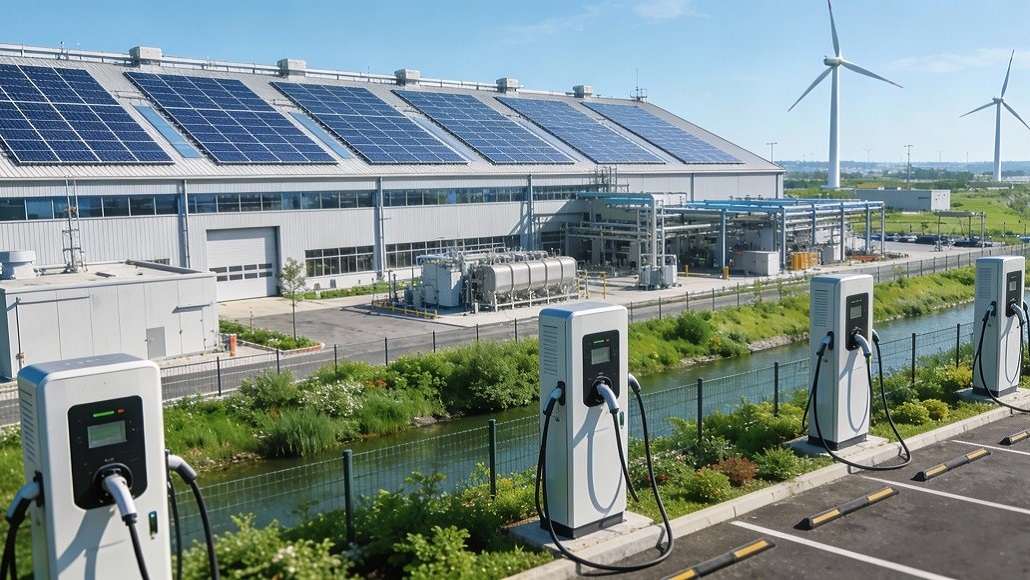
Low-emission infrastructure development reflects this same principle-based approach. Transport systems depend on extensive supporting infrastructure charging stations, refueling facilities, maintenance networks, and operational facilities that generates its own significant environmental footprint. Sustainable engineering extends to these infrastructure systems, emphasizing energy-efficient facility design, renewable energy integration, water conservation, and waste minimization. Smart charging networks that optimize electricity grid interaction, for example, reduce peak demand pressures while maximizing use of renewable energy sources. Maintenance facilities designed with water recycling systems and hazardous waste minimization protocols reduce operational environmental impact while improving operational cost efficiency.
Electrification-ready manufacturing represents perhaps the most significant evolution in sustainable transport engineering. Manufacturers that previously committed to fossil fuel propulsion systems faced binary choices: continue investing in refinement of internal combustion technology or pursue complete platform redesign for electric propulsion. Organizations that implemented electrification-ready production systems avoided this false choice, instead creating manufacturing flexibility that allows rapid product line transitions while maintaining production efficiency and capital equipment utilization.
Electrification-ready systems maintain power-delivery architecture flexibility, modular component design, and manufacturing processes capable of supporting multiple propulsion technologies simultaneously. This approach requires sophisticated understanding of electric motor integration, battery thermal management, and high-voltage system safety knowledge areas that would have seemed irrelevant to internal combustion specialists a decade earlier. Forward-thinking manufacturers invested in workforce development and manufacturing capability building years before committing product lines to electrification, positioning themselves to execute transitions rapidly once market and regulatory conditions aligned.
Resource-optimized production fundamentally reimagines manufacturing processes to minimize waste, reduce energy consumption, and optimize material utilization. Advanced manufacturing techniques including additive manufacturing, precision machining, and digital twin simulation enable manufacturers to produce transport equipment using dramatically less material while maintaining or improving structural performance. Digital manufacturing systems provide real-time monitoring of material usage, energy consumption, and waste generation, enabling continuous improvement processes that yield incremental efficiency gains across thousands of manufacturing decisions daily.
Precision manufacturing techniques enable use of advanced materials that would be economically unviable with traditional production methods. Carbon fiber composites, aluminum alloys, and other high-performance materials reduce vehicle weight while improving structural performance and durability. The cost of producing components from these materials drops dramatically when manufacturing processes are optimized through digital systems and advanced automation. What begins as sustainable engineering principle using advanced materials to reduce weight and improve efficiency becomes a competitive advantage through superior manufacturing capability that competitors struggle to replicate.
Life-cycle assessment methodologies guide sustainable engineering for greener transport by quantifying environmental impact across the entire system lifecycle. Manufacturing environmental impact, operational emissions during use, maintenance and service environmental consequences, and end-of-life recycling and disposal all receive equivalent analytical attention. This comprehensive perspective reveals optimization opportunities that narrow views of isolated system components would miss. A design choice that increases manufacturing complexity might dramatically reduce operational emissions over a 15-year vehicle lifecycle, creating net environmental benefit despite higher manufacturing impact.
Sustainable materials selection reflects life-cycle thinking and advanced understanding of material properties and performance relationships. Recycled materials that meet performance requirements reduce virgin material extraction and processing environmental impact. Bio-based materials derived from renewable sources replace petroleum-derived alternatives in applications where performance requirements align with material capabilities. Material standardization across product lines enables economies of scale in procurement and supply chain optimization that reduce both cost and environmental impact of material sourcing.
Integration of sustainable engineering principles into transport supply chains extends environmental responsibility beyond direct manufacturing operations. Suppliers providing components, subassemblies, and materials face increasing requirements to demonstrate sustainable manufacturing practices and continuous environmental improvement. Transport equipment manufacturers leverage their purchasing power to drive sustainability improvements throughout supply networks, recognizing that supply chain environmental performance affects their own sustainability credentials and regulatory compliance positions.
Regulatory convergence around emissions standards, fuel efficiency requirements, and electrification mandates accelerates adoption of sustainable engineering principles. However, leading organizations recognize that regulatory compliance represents a minimum threshold rather than a sustainability target. Manufacturers that engineer for performance far exceeding regulatory minimums position themselves for future regulatory evolution, competitive differentiation, and premium pricing opportunities as customers increasingly value sustainable products.
The transformation toward sustainable engineering for greener transport systems reflects fundamental recognition that engineering excellence and environmental responsibility are complementary rather than conflicting objectives. Transport systems engineered for superior efficiency perform better, cost less to operate, require less maintenance, and enjoy longer service lives outcomes that benefit users and operators regardless of environmental motivations. Sustainable engineering for greener transport emerges not as constraint imposed on engineering excellence but as expression of engineering excellence applied comprehensively across all design and manufacturing dimensions.
