

















Supply chain disruptions have become defining characteristics of modern global business, with pandemic consequences, geopolitical volatility, natural disasters, and infrastructure failures regularly interrupting even carefully planned and extensively optimized supply chains. Traditional supply chain management approaches developed in relatively stable operating environments prove inadequate for navigating disruption frequency and severity that characterize contemporary global commerce. Smart manufacturing principles that proved effective in creating resilient production systems offer invaluable lessons for transport supply chains struggling to maintain reliability and responsiveness amid unprecedented uncertainty.
Traditional supply chain management emphasized stability through vertical integration, dedicated supplier relationships, large safety stock buffers, and conservative demand forecasting. This approach reduced variability and provided comfort of predictability but created inflexibility that left supply chains vulnerable to disruptions exceeding anticipated bounds. Safety stock designed for normal demand variation provided inadequate protection against massive shifts in demand like those occurring during pandemic lockdowns. Supplier relationships optimized for steady demand became liabilities when production volumes needed rapid scaling or shifting. Conservative forecasting that protected against normal variability ignored the possibility of unprecedented disruptions that rendered historical experience irrelevant.
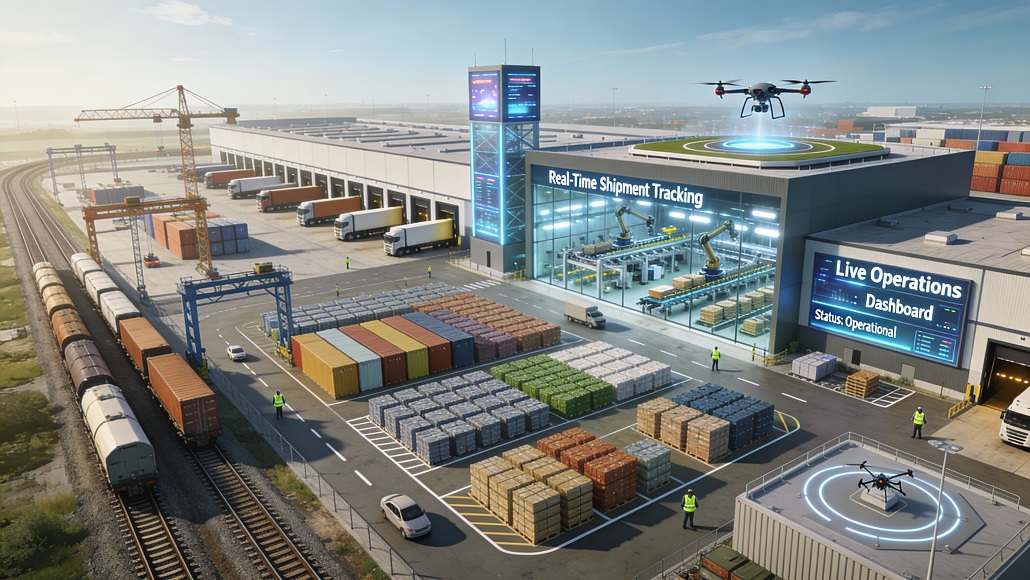
Real-time visibility into supply chain operations represents foundational capability enabling shift from stable but fragile supply chains toward agile, resilient systems. Smart manufacturing facilities deploy thousands of sensors monitoring machine performance, material flow, and production quality in real-time. Extending this visibility concept throughout transport supply chains creates comprehensive awareness of supplier capacity, material availability, transportation status, demand patterns, and inventory levels across entire networks. This visibility enables detection of emerging disruptions while time exists to implement mitigating actions. Transportation delays or supplier disruptions identified within hours rather than days create opportunities for coordinated responses that prevent cascading failures throughout supply networks.
Adaptive planning systems replace static forecasting and rigid production schedules with continuous optimization responding to real-time information. Rather than establishing production plans quarterly or monthly and implementing them regardless of changing circumstances, adaptive systems continuously adjust production rates, supplier selections, and transportation routing based on current supply, demand, and capacity conditions. Artificial intelligence systems analyzing massive datasets identify patterns and relationships that human planners would overlook, enabling optimization across dimensions that traditional planning could not consider simultaneously. Machine learning algorithms improve continuously as systems accumulate more data and historical experience, creating continuously improving planning accuracy and agility.
Digital synchronization connecting suppliers, logistics providers, manufacturers, and customers enables coordinated response to changing conditions across entire supply networks. Rather than independent optimization by each participant focusing on their own cost and efficiency, digital platforms enable shared visibility and coordinated decision-making across entire supply chains. A supplier experiencing capacity disruption immediately notifies dependent manufacturers and customers through digital systems, enabling rapid adjustments preventing cascade failures. A retailer experiencing unexpected demand surge communicates instantly to manufacturing and logistics networks, enabling rapid scaling without bullwhip effects that distort orders throughout supply chains. This transparency and coordination transforms supply chains from collections of independent entities optimizing locally to integrated systems optimizing globally.
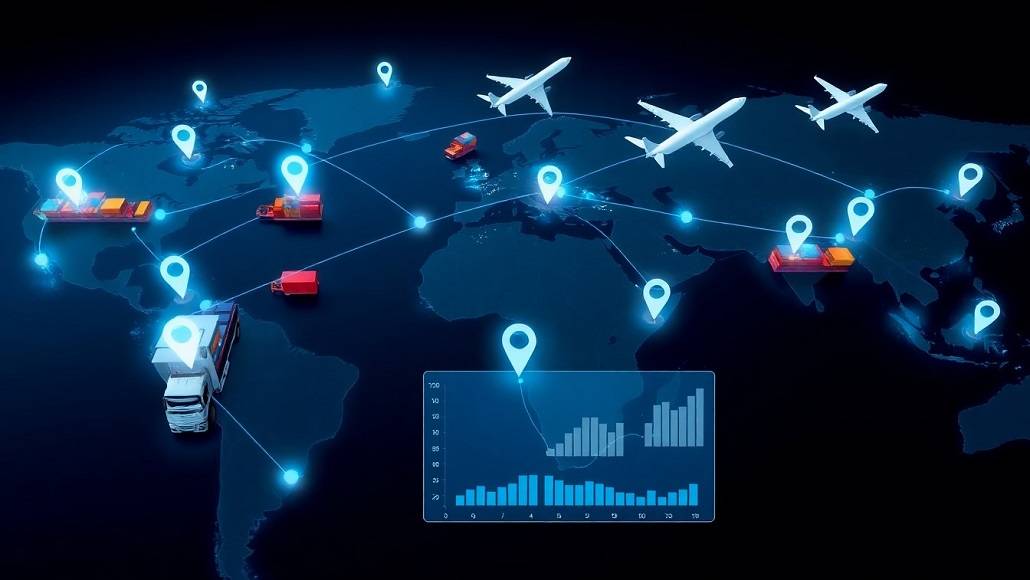
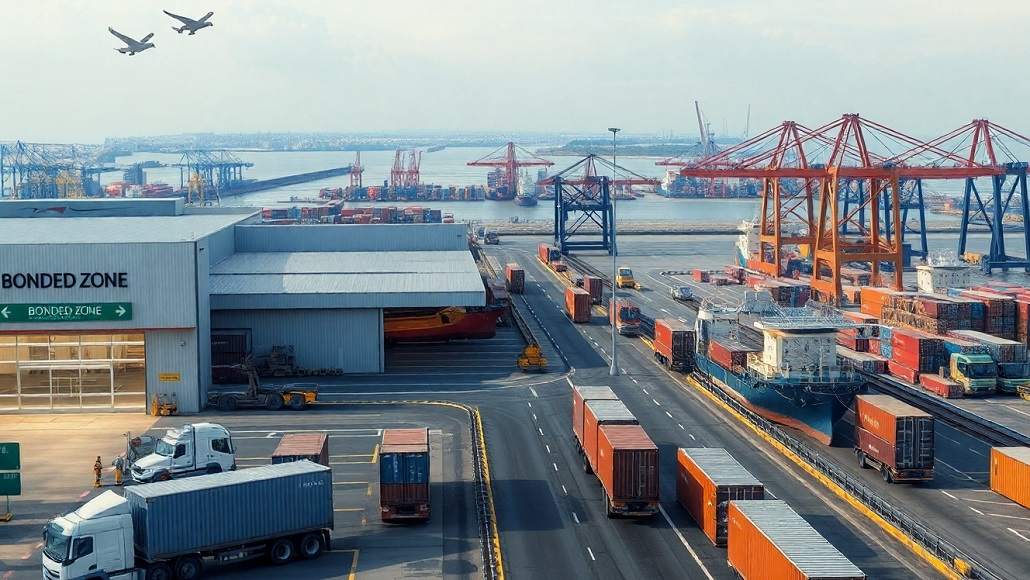
Real-time visibility systems monitoring transport operations enable rapid intervention when disruptions occur. GPS tracking provides location visibility for transported goods, enabling rerouting when planned routes become unavailable. Port operations systems monitor vessel arrivals, cargo handling, and truck movements, enabling coordination that prevents congestion and delays. Rail operations systems monitor train schedules, track maintenance, and capacity utilization, enabling dynamic scheduling that accommodates disruptions while maintaining overall network efficiency. Aviation systems coordinate aircraft positioning, ground operations, and cargo handling to maintain service reliability despite weather disruptions and operational constraints.
Cloud-based infrastructure replaces locally hosted systems vulnerable to facility disruptions, enabling transport operations to continue even when physical facilities experience outages. Distributed data centers and redundant systems ensure continued operations despite failures affecting individual facilities. Real-time replication of critical data ensures that loss of any single data center does not result in data loss. These cloud-based architectures provide resilience far exceeding what individual organizations could achieve through traditional information technology infrastructure.
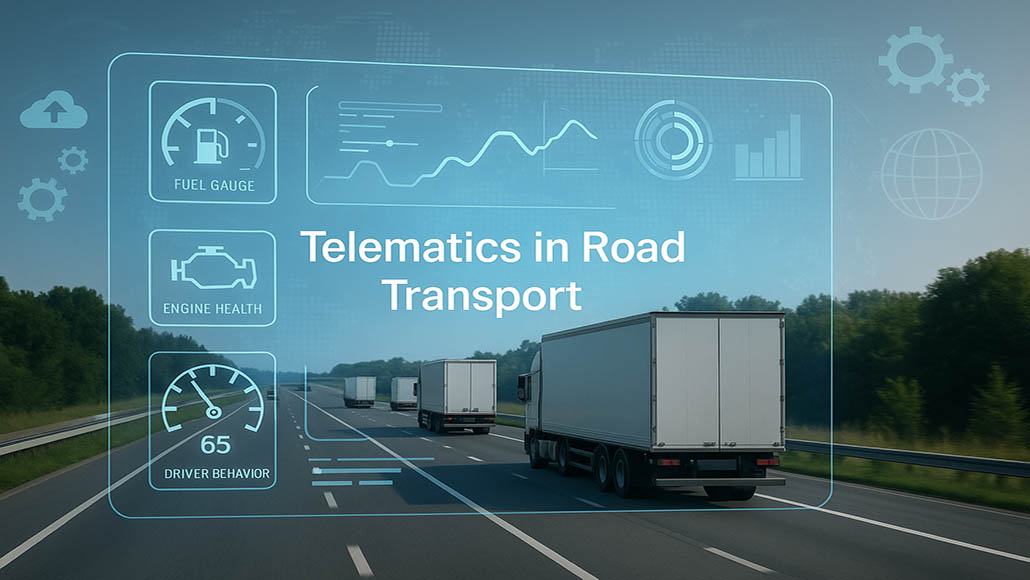
Internet of Things devices embedded in vehicles, cargo containers, and infrastructure components provide granular visibility into transport operations. Temperature sensors in refrigerated containers enable monitoring of cargo quality in real-time, detecting spoilage before goods reach destinations. Vibration sensors in shipping containers enable detection of rough handling and cargo damage. Tracking devices provide real-time location information even during transit through regions lacking conventional communication infrastructure. Predictive maintenance sensors monitor equipment condition, enabling preventive maintenance before failures disrupt operations. This sensor network transforms transport from opaque process accepting disruptions as inevitable toward transparent operations enabling prevention or rapid response.
Artificial intelligence applications analyzing sensor data and operational patterns identify optimization opportunities and emerging disruptions that human operators would overlook. Demand forecasting algorithms incorporating weather patterns, seasonal effects, promotional calendars, and social media sentiment provide more accurate demand predictions than traditional forecasting. Supply risk assessment algorithms analyzing supplier financial health, operational capacity, geopolitical risks, and weather patterns identify vulnerable suppliers before disruptions occur. Route optimization algorithms analyzing traffic patterns, weather forecasts, fuel costs, and vehicle utilization generate optimal transportation plans updated continuously as conditions change. These AI applications accumulate value as they process more data and learn from more experience, creating competitive advantages that strengthen over time.
Autonomous systems including autonomous guided vehicles, robotic process automation, and automated warehousing systems handle routine transport and logistics operations with precision and consistency exceeding human capability. Autonomous vehicles operating in controlled environments like warehouses and ports provide reliable operation without fatigue or performance variation affecting human-operated vehicles. Robotic material handling systems sort packages, load containers, and organize inventory with speed and accuracy enabling significant labor cost reduction. Automated warehouses using robotic systems increase storage density, reduce retrieval times, and minimize inventory damage. These automated systems handle high-volume, routine operations enabling human workers to focus on exception handling, problem-solving, and decision-making requiring judgment and creativity.
Supply chain risk management gains sophistication through big data analysis and scenario planning enabled by digital platforms. Rather than identifying risks through experience and intuition, organizations analyze massive datasets to identify patterns indicating potential disruptions. Scenario planning systems model impacts of different disruption types, enabling organizations to prepare responses in advance. Supplier financial analysis identifies companies facing bankruptcy or liquidity crises before disruptions occur. Geopolitical analysis identifies rising conflict risk in regions hosting critical suppliers or transportation chokepoints. Weather analysis identifies regions facing hurricanes, floods, or other natural disasters that disrupt supply chains. This proactive risk identification and analysis enables organizations to build resilience through supplier diversification, inventory positioning, and contingency planning rather than reactive crisis response after disruptions occur.
Supply chain visibility platforms created through integration of data from logistics providers, suppliers, transportation companies, and customers provide unprecedented awareness of supply chain status. These platforms enable rapid detection of disruptions affecting supply chains. Notification systems alert relevant stakeholders when disruptions occur, enabling coordinated response. Analytics systems identify root causes of disruptions and recommend corrective actions. Scenario planning tools enable evaluation of different response options and selection of approaches minimizing supply chain impact.
Workforce reskilling represents critical investment enabling successful implementation of smart manufacturing supply chain approaches. Transport and logistics workers require skills in data interpretation, technology systems operation, and problem-solving using analytical insights. Supply chain planning becomes increasingly sophisticated, requiring advanced quantitative skills and understanding of artificial intelligence and optimization algorithms. Organizations investing in workforce development through training programs, education partnerships, and continuous learning opportunities build capability foundations that enable superior supply chain performance.
Building supply chain resilience through smart manufacturing lessons requires significant organizational commitment and sustained investment. Organizations successfully implementing resilience strategies prioritize supply chain visibility, invest in enabling technology platforms, develop analytical capabilities through hiring and training, and embrace organizational changes required to leverage data-driven decision-making. This investment pays dividends through superior operational performance, faster response to disruptions, and competitive advantage in increasingly uncertain global environment. Transport operators and logistics networks leveraging smart manufacturing strategies create agile, transparent systems maintaining business continuity through conditions that disrupt supply chains depending on conventional approaches.
