

















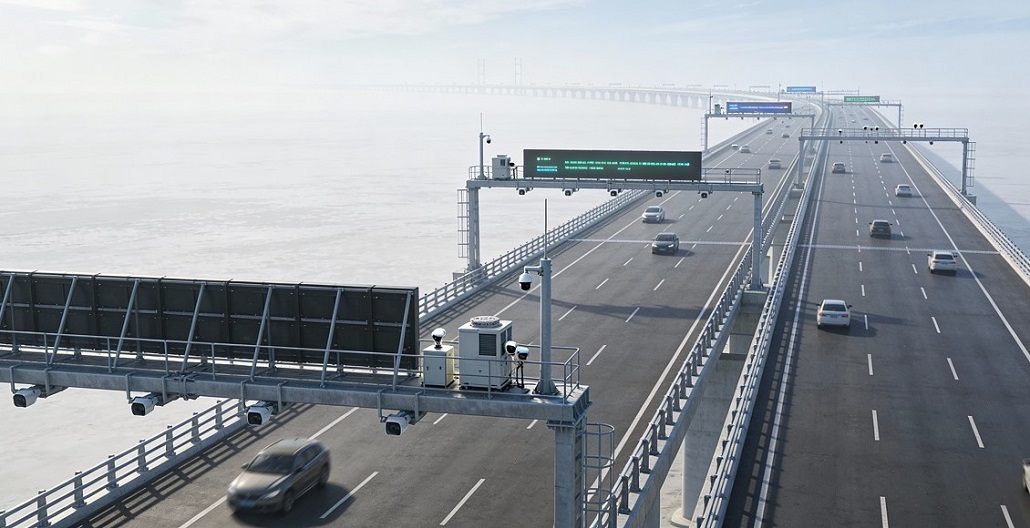
The transportation sector stands at a critical inflection point. Global infrastructure networks that were designed decades ago must now accommodate exponentially growing demands, new transportation modes, and rapid technological change. The solution increasingly lies not in traditional construction approaches, but in applying intelligent manufacturing principles to transport infrastructure design and operations. This shift represents a fundamental reimagining of how we plan, build, and manage the physical systems that move people and goods across the world.
The concept of intelligent manufacturing characterized by modular design, digital engineering, real-time optimization, and continuous data analysis originated in factories and production facilities. Today, forward-thinking infrastructure planners are recognizing that these same principles can transform the design and operation of transport networks. Rather than treating highways, rail systems, ports, and airports as static assets built to a fixed specification, intelligent manufacturing methodologies treat transport infrastructure as adaptable, responsive systems capable of evolving alongside societal needs.
Smart Highways and Data-Driven Design Philosophy
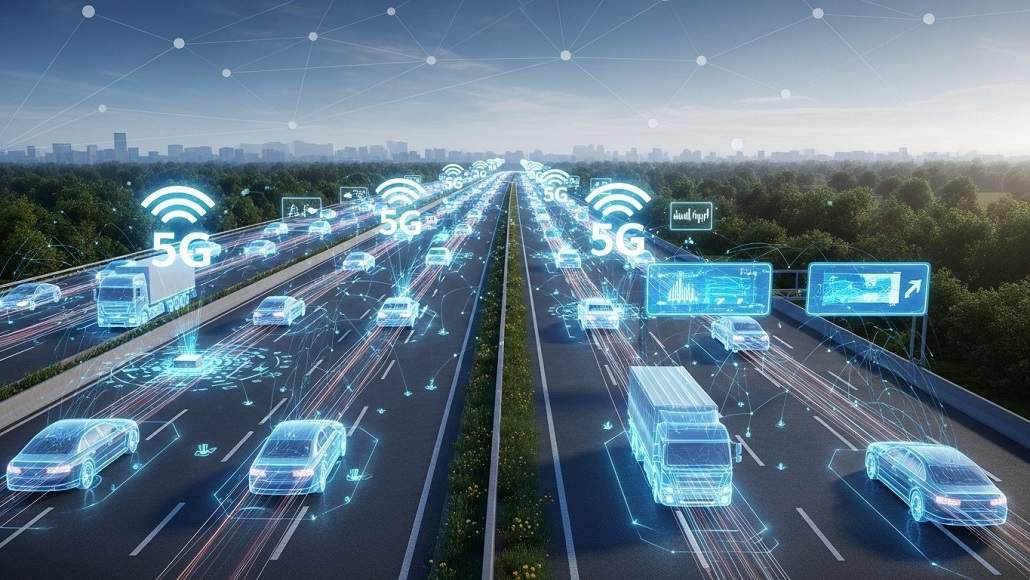
Smart highways represent perhaps the most visible manifestation of intelligent manufacturing principles applied to road infrastructure. Traditional highway design relied on traffic projections made years in advance, often resulting in systems that were either inadequate within a decade or unnecessarily oversized. Modern data-driven optimization approaches capture continuous information about traffic patterns, vehicle types, speed variations, and seasonal fluctuations. This real-time intelligence feeds directly into infrastructure design decisions, creating highways that can dynamically adjust to current conditions.
Advanced highway systems now incorporate embedded sensors that monitor pavement condition, structural integrity, and environmental factors. These data streams enable infrastructure managers to detect deterioration before visible failures occur, optimizing maintenance schedules and extending asset lifespan. The modular design philosophy means that highway sections can be upgraded incrementally rather than requiring complete reconstruction. Digital engineering tools allow planners to simulate how modifications to one segment affect traffic flow across the entire network, preventing unintended consequences and ensuring that improvements deliver genuine benefits.
Adaptive Rail Systems and Intelligent Scheduling
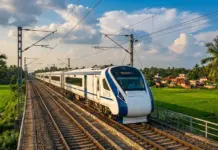
Rail networks benefit particularly from intelligent manufacturing approaches because rail systems are inherently data-intensive and operate under strict operational constraints. Modern adaptive rail systems leverage digital engineering to optimize everything from train scheduling to track maintenance. Predictive analytics identify which rail sections require attention before failures occur, allowing maintenance to be scheduled during low-traffic periods rather than disrupting service.
The scheduling and dispatching systems themselves have become intelligent engines. Rather than static timetables, modern rail networks use AI-powered systems that dynamically adjust train movements based on real-time demand, passenger loads, cargo requirements, and track conditions. Modular signaling systems allow individual rail sections to be upgraded without affecting overall network operation. Infrastructure planners use advanced simulation tools to test how new rail corridors, different train frequencies, or modified routing would affect system performance. This data-driven optimization means that rail infrastructure investments deliver measurably better outcomes for both operators and users.
Intelligent Port Layouts and Cargo Flow Optimization
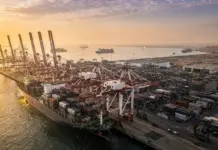
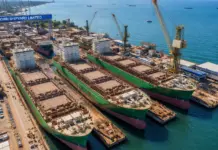
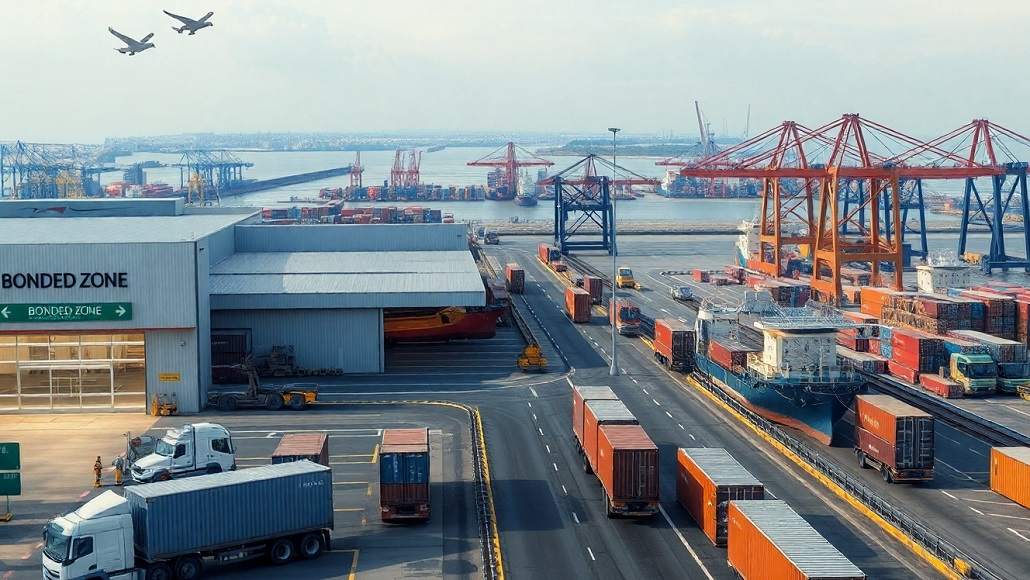
Ports represent complex systems where the interaction of vessels, cargo, equipment, and personnel creates tremendous operational complexity. Applying intelligent manufacturing principles to port design means rethinking the physical layout itself. Rather than static berth assignments, modern intelligent ports employ dynamic docking systems that optimize vessel positioning based on cargo type, vessel size, turnaround time objectives, and equipment availability.
Digital engineering enables port planners to simulate cargo flows under various conditions, identifying bottlenecks and optimizing the spatial arrangement of storage areas, loading equipment, and transportation corridors. Real-time data from IoT sensors monitors cargo movement, equipment status, and facility utilization, feeding continuous optimization of port operations. Modular design principles mean that individual port facilities can be expanded or modified without disrupting overall operations. The result is ports that handle increasing cargo volumes with fewer trucks, less congestion, and faster vessel turnaround times.
Digitally Enabled Airport Facilities and Passenger Flow
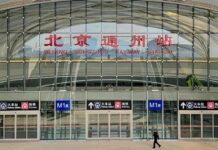
Airports face the challenge of accommodating continuously increasing passenger volumes while maintaining safety, security, and service quality. Intelligent manufacturing principles applied to airport design mean creating facilities that optimize passenger flow, baggage handling, and aircraft servicing. Digital engineering enables airport planners to simulate passenger movements under various scenarios, identifying areas where bottlenecks form and optimizing facility layout accordingly.
Real-time data from passenger tracking, security screening, and baggage handling systems provide continuous feedback on facility performance. Advanced analytics identify periods of congestion and help airport operators implement dynamic adjustments opening additional security lanes, adjusting gate assignments, or modifying baggage system routing. Modular design principles mean that terminal facilities can be expanded in phases, with each phase validated through simulation before construction begins. The integration of digital systems throughout the airport means that operational decisions can be made based on actual conditions rather than static rules.
Building in Resilience and Future Adaptability
One of the most significant advantages of intelligent manufacturing approaches to transport infrastructure is built-in resilience and adaptability. Traditional infrastructure was designed for a specific capacity level and set of operational conditions. If circumstances changed dramatically due to population shifts, technological innovation, or unexpected disruptions the infrastructure often became inadequate.
Intelligent manufacturing principles build flexibility into the core design. Modular systems can be expanded, upgraded, or reconfigured relatively easily. Digital engineering enables planners to model how infrastructure would perform under stress conditions or in response to major disruptions, identifying vulnerabilities before they become problems. Data-driven optimization continuously refines operations to achieve efficiency even as conditions change. This creates transport infrastructure that is robust, adaptable, and capable of supporting multiple modes of transportation even as technology evolves.
The Implementation Challenge and Future Outlook
Transitioning transport infrastructure toward intelligent manufacturing principles requires changes in planning processes, capital investment strategies, and operational cultures. Infrastructure agencies accustomed to traditional design approaches must embrace data-driven decision-making and continuous optimization. This transition involves upfront investments in sensing infrastructure, digital platforms, and analytical capabilities. However, the returns in terms of improved efficiency, extended asset lifespan, and better performance justify these investments.
The most advanced transport infrastructure systems globally from Singapore’s integrated smart transport network to Europe’s adaptive highway systems demonstrate that intelligent manufacturing principles deliver measurable results. These systems handle higher volumes, operate more efficiently, require less maintenance, and adapt better to changing conditions than traditional infrastructure. As population growth, urbanization, and climate change create increasing pressure on transport systems, the intelligent manufacturing approach to infrastructure design represents not an option but a necessity.
The future of transport infrastructure lies in treating networks not as static physical assets, but as dynamic systems that continuously learn, adapt, and optimize. By applying intelligent manufacturing principles modular design, digital engineering, and data-driven optimization to transport infrastructure, societies can build systems that are more resilient, efficient, and capable of supporting mobility needs for decades to come.
