





















The digital transformation reshaping modern transport systems introduces cybersecurity challenges that extend far beyond traditional information technology security concerns. When security failures in office networks result in data breaches or operational disruption, the primary consequences involve financial loss and business interruption. When security failures in transport systems occur, potential consequences include loss of life, mass casualties, and critical infrastructure disruption affecting millions of people and billions in economic value. This distinction fundamentally shapes how cybersecurity in connected transport must be approached, designed, and continuously refined as threat landscapes evolve and new technologies introduce novel vulnerabilities.
Connected vehicles represent the convergence point where automotive engineering, information technology, personal privacy, and public safety intersect with maximum complexity. Modern vehicles contain hundreds of electronic control units managing everything from engine performance and emissions control to braking, steering, and driver assistance functions. These distributed computing systems communicate across multiple network types: Controller Area Network buses that originally evolved for reliability in closed systems lack modern security protections; high-speed Ethernet networks supporting advanced driver assistance systems and autonomous driving functions; wireless interfaces including cellular connections for cloud services, Wi-Fi hotspot connections, Bluetooth for personal device pairing, and vehicle-to-everything communication protocols. Each connection enables valuable functionality but simultaneously introduces potential attack vectors where unauthorized access could enable attacks ranging from subtle performance degradation to complete system compromise.
Traditional automotive engineering and information technology security approaches prove inadequate for addressing modern transport cybersecurity challenges. Automotive engineers historically focused on reliability and safety in closed systems where components operated in isolation from external influences. Cybersecurity specialists evolved protecting office networks and cloud services where consequences of compromise involve data loss or operational disruption but not immediate physical danger. Connected vehicles require synthesis of both perspectives: automotive safety principles demand that security failures never result in unsafe operating states; information technology security principles demand that authorized users and systems remain protected against unauthorized access attempts. These competing requirements create design challenges that neither discipline alone can address adequately.
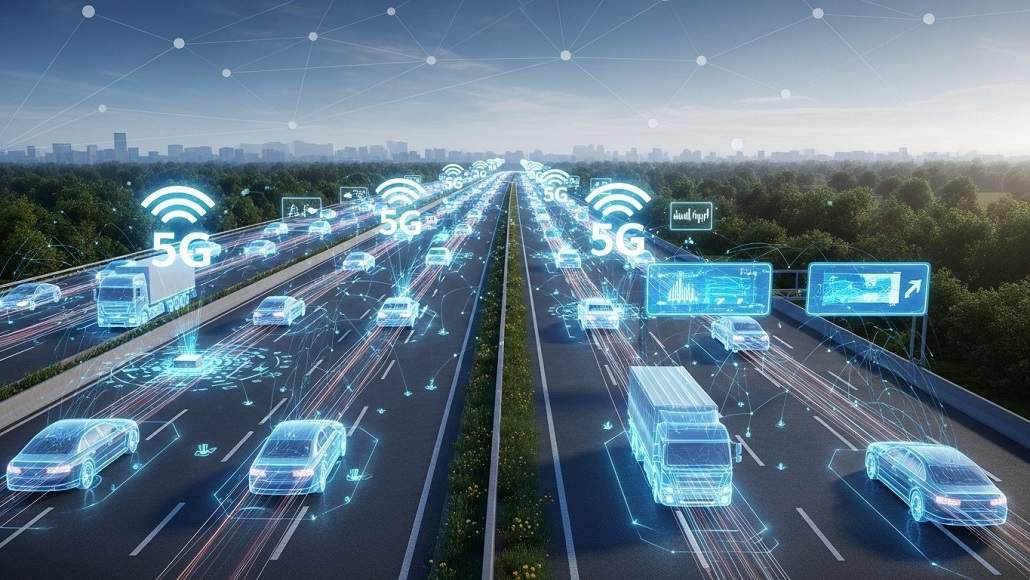
Vehicle-to-Infrastructure communication systems exemplify both the promise and peril of transport digital transformation. V2I systems enable vehicles to receive information about traffic conditions, road hazards, construction zones, and emergency situations that improve safety and efficiency. Properly secured, V2I systems can prevent accidents, optimize traffic flow, and enable rapid emergency response. Improperly secured, V2I systems become attack vectors allowing malicious actors to inject false information into navigation systems, manipulate traffic signals to create dangerous intersections, disrupt emergency services communication, or prevent vehicles from recognizing legitimate safety warnings. The same connectivity that enables beneficial information sharing creates potential for malicious interference with critical consequences.
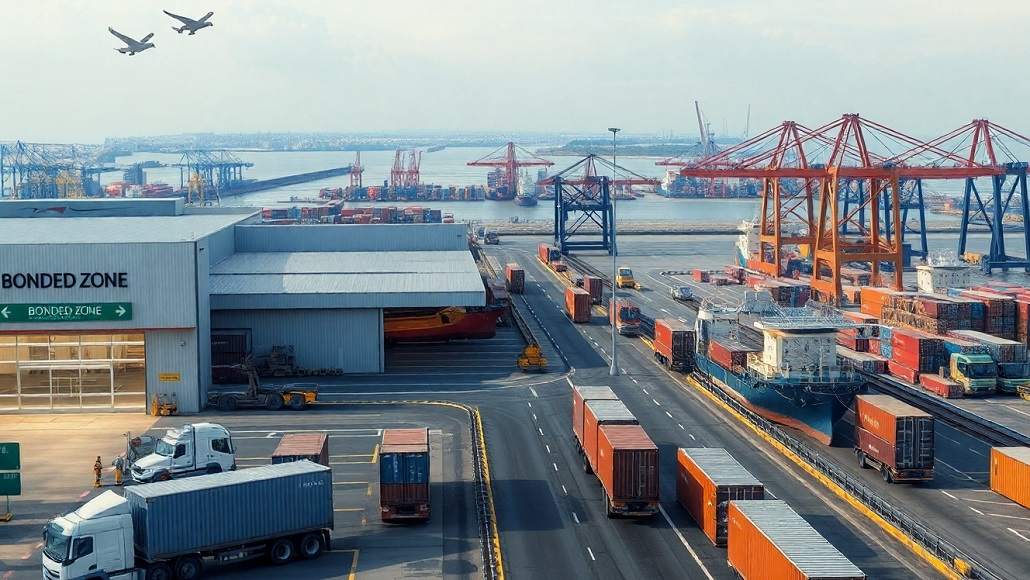
Cybersecurity challenges in signaling systems for rail transport, aviation ground operations, and maritime traffic management create infrastructure-level risks affecting far larger populations than individual vehicle compromises. Railway signaling systems that control train movement across complex networks depend on reliable, accurate communication to maintain safe separation between trains and prevent collisions. Aviation ground control systems that manage aircraft movement on runways and taxiways similarly depend on secure communication to maintain safety. Port operations systems coordinating container movement, vehicle guidance, and facility operations require security to prevent disruption, cargo theft, or dangerous situations. Compromising any of these systems through cybersecurity failures creates potential for mass casualty incidents affecting hundreds or thousands of people simultaneously, making infrastructure-level cybersecurity a critical public safety concern.
Data protection in connected transport presents unique challenges because vehicles continuously generate sensitive personal information about vehicle locations, driver behavior, vehicle status, occupant presence, and personal preferences integrated into infotainment systems. A single connected vehicle generates gigabytes of sensitive data daily through location tracking, driver behavior monitoring, and personal information stored in entertainment systems. Aggregated across millions of connected vehicles, this data enables comprehensive surveillance of population movement patterns, personal relationships, work locations, and personal habits. Protecting this information requires security architecture ensuring that data remains confidential in transit, secure in storage, and absent from unauthorized access throughout vehicle lifecycle and beyond decommissioning.
Supply chain security represents critical but often overlooked cybersecurity dimension in transport systems. Modern vehicles integrate thousands of components from hundreds of suppliers worldwide. Each supplier, subcontractor, and manufacturing partner represents potential point of vulnerability where malicious code could be introduced, counterfeit components substituted, or security weaknesses intentionally or accidentally created. Unlike traditional supply chain risk focused on component quality and delivery reliability, cybersecurity supply chain risk requires assurance that every component, firmware, and software element maintains security integrity throughout complex global supply chains. A single compromised component from one supplier could result in thousands of vehicles entering service with embedded security vulnerabilities or intentional backdoors enabling future attacks.
Secure system architecture provides foundation for cybersecurity in connected transport through network segmentation isolating safety-critical systems from convenience features and external connectivity. This architectural approach ensures that even if attackers successfully compromise infotainment systems or cloud connectivity, they cannot access safety-critical engine management, braking, or steering systems. Gateway devices implementing sophisticated filtering, validation, and monitoring control communication between network segments, preventing lateral movement by attackers who compromise less critical systems. This defense-in-depth approach assumes that some security breaches will occur and focuses on preventing breaches from cascading into safety-critical system compromise.
Cryptographic protection of all transport system communications ensures that data transmitted between vehicles, infrastructure, and cloud services remains confidential and cannot be intercepted or modified by attackers. Encryption prevents eavesdropping on location data, personal information, and command communications. Digital signatures verify that messages originated from legitimate sources and have not been modified in transit. Strong authentication ensures that vehicles and infrastructure components confirm identities before accepting commands or sharing sensitive information. Proper key management ensuring that cryptographic keys remain secure and inaccessible to unauthorized parties completes the cryptographic security architecture. Key rotation processes ensuring regular renewal of cryptographic material reduce risk that compromise of older keys enables retroactive decryption of historical data.
Secure boot processes verify software integrity before execution, ensuring that only authorized software operates on vehicle systems. Cryptographic verification of operating system kernels and application software prevents installation of malicious code or unauthorized modifications that could compromise system behavior. Secure boot implementations use hardware security modules and trusted platform modules to verify software integrity in environments protected against tampering. This architectural approach ensures that vehicles cannot be remotely compromised through malicious software installation if secure boot processes function correctly.
Continuous monitoring and anomaly detection systems identify unusual behavior patterns indicating potential security incidents or system compromise. Machine learning systems that learn normal vehicle behavior patterns can detect deviations that may indicate attacks in progress, compromised components, or unauthorized system modifications. Network monitoring identifying unusual communication patterns, unexpected command sequences, or data exfiltration attempts enables rapid incident detection before attackers achieve objectives. Real-time alerting capabilities enable rapid response when security events occur, limiting damage from security incidents and enabling incident investigation to identify root causes.
Incident response capability enables organizations to respond effectively when security incidents occur despite preventive security controls. Comprehensive incident response plans specify roles, responsibilities, communication procedures, and technical responses to different types of security incidents. Forensic capabilities enabling investigation of security incidents, identification of attack methods, and evidence collection support both internal analysis and potential law enforcement cooperation. Rapid isolation capabilities prevent compromised systems from spreading attacks to other vehicles or infrastructure systems. Remediation procedures including security patches, configuration updates, and component replacement enable organizations to restore normal operations following security incidents.
Emerging threats continue evolving as attackers develop new attack methods and technologies introduce novel vulnerabilities. Artificial intelligence technologies enable attackers to develop sophisticated malware that adapts to defensive systems in real-time. Quantum computing promises future capability to break current cryptographic protections, requiring transition to quantum-resistant algorithms in long-lived transport systems. Supply chain attacks targeting manufacturers and suppliers provide access to development systems and component production lines, enabling sophisticated compromises difficult to detect. Insider threats from employees or contractors with system access enable intentional sabotage or theft of intellectual property.
The regulatory landscape for transport cybersecurity continues evolving with increasing requirements for manufacturers and operators. ISO/SAE 21434 standards establish comprehensive requirements for automotive cybersecurity management systems. UN Regulation 155 mandates cybersecurity capabilities for type approval of new vehicles. National regulations in Europe, United States, China, and other major markets establish cybersecurity requirements for connected vehicles and transport infrastructure. These regulatory requirements ensure minimum security standards while creating incentives for manufacturers to exceed minimums through competitive differentiation and customer demand for superior security.
The path forward requires sustained commitment from manufacturers, regulators, cybersecurity specialists, and transport operators to build secure, resilient systems that protect vehicles, users, and infrastructure from emerging threats. Organizations that invest in cybersecurity expertise, secure design practices, and continuous improvement processes position themselves for leadership in increasingly security-conscious markets. Users and operators who prioritize security in procurement decisions create market incentives for manufacturers to invest in superior security. Regulators who establish clear, achievable standards enable compliance while allowing innovation. The convergence of automotive engineering, information technology security, and public safety expertise creates uniquely challenging but essential discipline of transport cybersecurity.
