

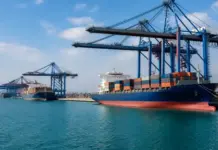









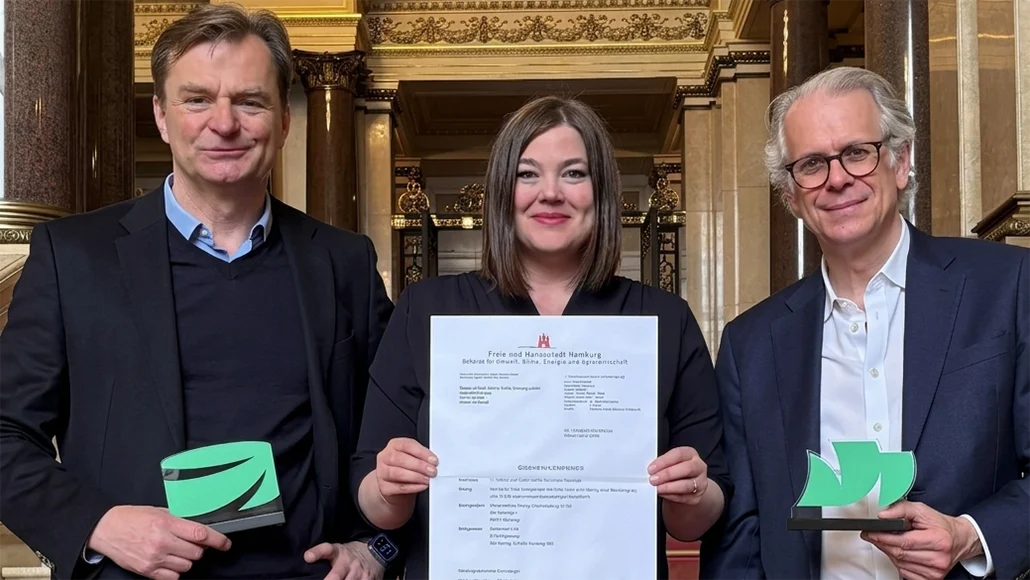
MB Energy has successfully obtained the necessary regulatory clearance to construct and operate a cutting-edge ammonia import terminal in northern Germany. Authorized by Hamburg’s Authority for Environment, Climate, Energy and Agriculture, this permit represents a crucial leap forward for the ambitious energy initiative. Provided that the final financial commitments are confirmed, the construction will be situated at the Blumensand tank terminal within the bustling Port of Hamburg. This specific location is notably the largest facility of its type within the port and is managed by enport, the dedicated storage division of the MB Energy group.
As a foundational element of the overarching New Energy Gate Project, an initiative that also encompasses methanol processing at the very same location, the new ammonia import terminal will involve substantial infrastructure enhancements. To manage the anticipated influx of resources, the development blueprint includes the installation of a newly built storage tank alongside comprehensive upgrades to the existing berth, which will soon accommodate both massive seagoing vessels and smaller inland barges. Additionally, the site will be outfitted with modern loading mechanisms designed for railway transportation. Once operational, the hub is projected to manage an impressive throughput of roughly 600,000 metric tonnes of ammonia each year.
The core mission of the ammonia import terminal is to manage the arrival and subsequent redistribution of this highly versatile chemical to support diverse industrial and energy-related applications. Beyond its traditional role as an industrial raw material, ammonia acts as a highly effective storage medium for hydrogen and a promising clean-fuel alternative for the maritime shipping industry. The steady supply of this resource is poised to strengthen the local market while actively driving the creation of a scalable hydrogen economy. The infrastructure is also being strategically engineered to handle renewable and lower-carbon ammonia varieties in the future, as soon as technical, regulatory, and market conditions allow. Long-term project considerations even feature a potential feed-in connection to a future cracker plant, a facility that would extract hydrogen from the ammonia to supply the regional power grid.
Set to become the very first large-scale facility of its kind in Germany, the proposed ammonia import terminal is widely viewed as a fundamental asset for the nation’s ongoing economic and ecological transformation. It will play a vital role in fulfilling the country’s future energy demands by fortifying the logistical networks required for alternative power carriers.
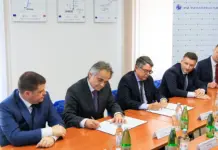
Reflecting on this monumental progress, the leadership team at MB Energy highlighted the collaborative effort behind the approval. “Following a highly constructive permitting process on both sides, we are pleased to have the official document in our hands, marking a key milestone in taking the project forward,” said Volker Ebeling, Senior Vice President New Energy, Supply & Infrastructure at MB Energy.
