





















For decades, the global transportation industry has been tethered to the constraints of physical inventory and complex supply chains. In sectors like rail, aviation, and maritime, the inability to source a single, small component can result in millions of dollars in losses due to vehicle downtime. However, a technological shift is currently occurring that promises to decouple fleet maintenance from these traditional burdens. The integration of additive manufacturing in transport spare parts is not merely an incremental improvement; it is a fundamental reimagining of how hardware is managed across the lifecycle of transport assets. By shifting from a warehouse-centric model to a digital-file-based ecosystem, operators are finding ways to produce what they need, exactly when they need it, and often with superior performance characteristics compared to the original parts.
Bridging the Gap Between Obsolescence and Availability
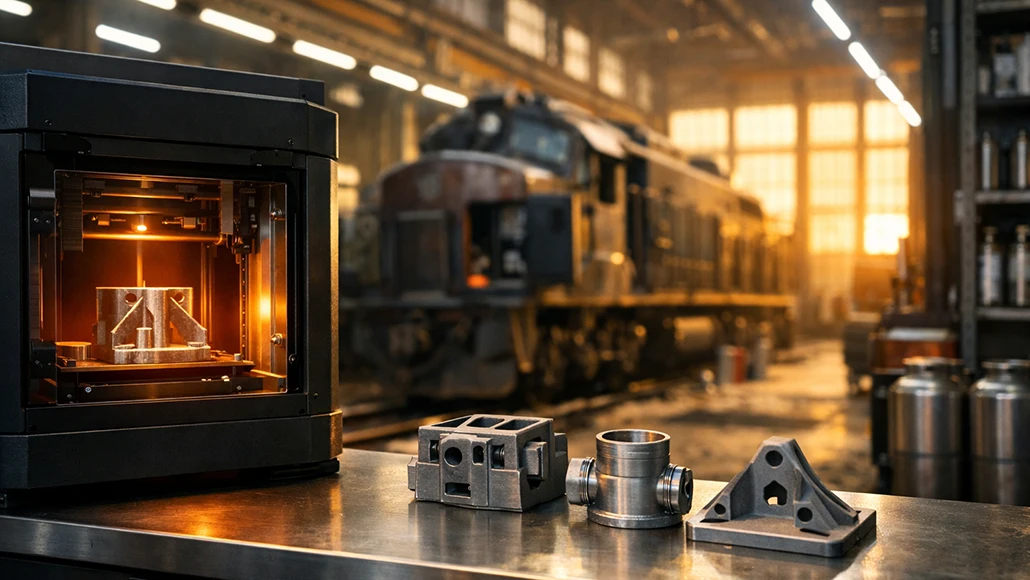
One of the most persistent challenges in the transport sector, particularly in rail and heavy infrastructure, is the management of aging fleets. Many locomotives and passenger cars remain in service for thirty to fifty years, far outlasting the companies that originally manufactured their components. When a bracket, a housing, or a specialized connector fails on a forty-year-old train, the operator often faces a stark choice: commission a bespoke casting at an exorbitant cost with a six-month lead time, or retire the asset prematurely. Additive manufacturing in transport spare parts provides a third way. Through reverse engineering and digital twinning, engineers can create precise 3D models of obsolete parts and print them in high-strength polymers or metals. This capability ensures that legacy systems remain operational without the need for massive stockpiles of physical “just-in-case” inventory.
The shift to digital inventories allows for a leaner approach to asset management. Instead of keeping thousands of unique SKUs in a climate-controlled warehouse, companies now maintain a secure digital library. When a part fails, the digital file is sent to a localized 3D printer, reducing the carbon footprint associated with shipping heavy metal components across continents. This on-demand manufacturing capability is particularly vital for the aviation industry, where every hour an aircraft spends on the ground (AOG) represents a significant financial drain. By utilizing certified additive processes, airlines can produce non-critical cabin components, such as seat covers or ventilation louvers, at the airport hub itself, bypassing traditional procurement delays.
Material Innovation and Weight Optimization
Beyond the convenience of on-demand production, additive manufacturing in transport spare parts offers opportunities for performance enhancement that traditional subtractive manufacturing cannot match. Generative design software allows engineers to create parts that are optimized for stress and load bearing while removing unnecessary material. In the context of transport, weight is synonymous with energy consumption. Whether it is a maritime vessel or a commercial jet, reducing the mass of internal components leads directly to improved fuel efficiency and lower emissions. 3D printing allows for the creation of complex, lattice-based internal structures that provide the same structural integrity as solid metal but at a fraction of the weight.
Enhancing Fleet Resilience Through Distributed Production
The concept of a centralized factory is being replaced by a distributed network of production nodes. In the maritime industry, for example, large cargo ships can be equipped with industrial-grade 3D printers. While the ship is in the middle of the ocean, the crew can print replacement gaskets, valves, or tools using pre-authorized digital blueprints. This level of self-sufficiency is a game-changer for long-haul transport. It minimizes the reliance on port-side logistics and ensures that minor mechanical failures do not escalate into catastrophic delays. As the technology matures, the range of materials available for additive manufacturing continues to expand, encompassing everything from fire-retardant aerospace plastics to high-performance alloys like Inconel and Titanium.
Solving the Small-Batch Manufacturing Dilemma
Traditional manufacturing processes, such as injection molding or die-casting, are heavily reliant on economies of scale. The cost of creating a mold can be tens of thousands of dollars, making it economically unviable to produce only ten or twenty units of a specific spare part. Transport operators, however, rarely need parts in the thousands. They need them in small, intermittent batches. Additive manufacturing in transport spare parts eliminates the need for expensive tooling. The cost of printing the first unit is the same as the cost of printing the hundredth, which perfectly aligns with the maintenance, repair, and overhaul (MRO) requirements of the transport industry. This democratization of production allows smaller operators to compete on an even footing with larger conglomerates by reducing the barrier to entry for custom hardware.
The Digital Transformation of the Global Supply Chain
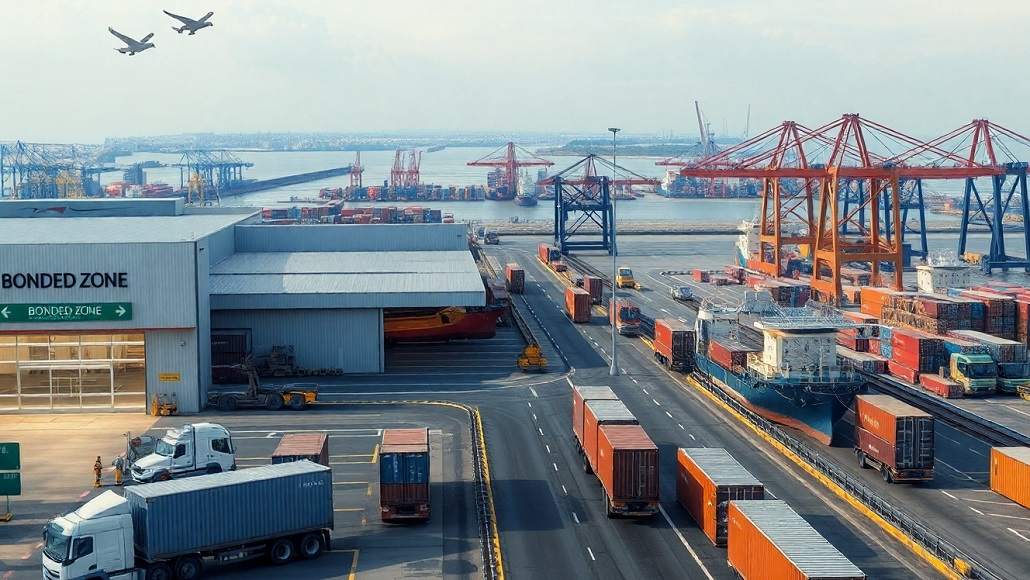
The adoption of additive manufacturing in transport spare parts is driving a broader transformation of the global supply chain, moving it toward a “distributed manufacturing” model. In the traditional model, a part might be manufactured in one country, stored in a central hub in another, and finally shipped to a maintenance depot in a third. Each step in this journey adds cost, time, and carbon emissions. By contrast, a digital supply chain allows for the localized production of parts at or near the point of use. This reduction in the physical movement of goods is a critical component of the transport industry’s efforts to meet sustainability and Environmental, Social, and Governance (ESG) targets.
Furthermore, this model enhances regional resilience. In the event of a global crisis such as a pandemic, a geopolitical conflict, or a natural disaster that disrupts major shipping lanes transport operators with additive manufacturing capabilities can maintain their fleets independently. They are no longer at the mercy of international logistics networks for every small component. This strategic autonomy is becoming a high priority for national rail networks and defense-related transport sectors, where the ability to maintain operational readiness is a matter of national security.
Overcoming Certification and Standardization Challenges
Despite the clear advantages, the widespread implementation of additive manufacturing in transport spare parts must navigate a complex regulatory landscape. In industries like aviation and rail, every component must be certified to meet stringent safety standards. Because 3D printing builds parts layer-by-layer, the structural properties of the final product can be affected by a multitude of factors, including the purity of the raw powder, the temperature of the build chamber, and the orientation of the part during printing.
To address this, regulatory bodies such as the Federal Aviation Administration (FAA) and the European Union Aviation Safety Agency (EASA) are working closely with manufacturers to establish standardized “process-based” certifications. Instead of testing every individual part, the focus is on certifying the entire additive manufacturing process from the digital design and material selection to the post-processing and final inspection. This shift toward standardized digital quality control is essential for building trust in 3D-printed parts and ensuring that they can be seamlessly integrated into existing maintenance protocols.
The Future of Smart, Self-Repairing Transport Systems
Looking further ahead, the convergence of additive manufacturing and sensor technology is paving the way for “smart” spare parts. Future components could be printed with embedded sensors that monitor their own health and performance in real-time. When a part nears the end of its fatigue life, it could automatically trigger the printing of its own replacement. This level of automation would represent the ultimate realization of a truly autonomous maintenance system, where the line between manufacturing and operations becomes virtually invisible.
Key Takeaways
The transition toward digital warehousing and on-demand production represents a paradigm shift for transport logistics. By adopting additive manufacturing in transport spare parts, organizations can virtually eliminate the risk of part obsolescence while significantly reducing the overhead costs associated with physical storage. This technology not only ensures higher fleet uptime but also enables the creation of lighter, more efficient components that contribute to the broader goal of industry-wide sustainability.
The economic and operational benefits of 3D printing extend far beyond simple cost savings. It empowers maintenance teams to be proactive rather than reactive, allowing for the rapid prototyping and deployment of improved part designs that address recurring failure points. As regulatory bodies continue to establish certification standards for 3D-printed components, the reliance on traditional supply chains will continue to diminish, ushering in an era of unprecedented agility in global transport maintenance.
