

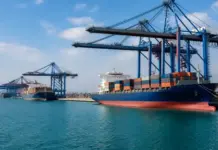
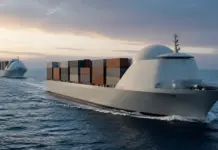




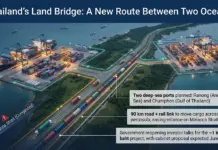
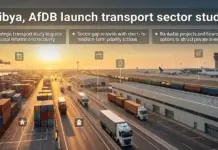

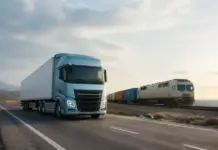




The arteries of global commerce are undergoing a profound transformation, driven by an accelerating trend toward integrated freight solutions. In an era where efficiency, resilience, and sustainability are paramount, the strategic expansion of shipping giants into diverse transportation modes marks a significant inflection point. This evolution is perhaps most evident in the robust multimodal logistics in the rail and road freight sector, where a synergy between the power of rail and the flexibility of road networks is redefining supply chain paradigms. It is no longer sufficient to operate in isolation. The future of freight transportation lies in seamless, interconnected pathways that promise not just movement, but intelligent, optimized delivery from origin to destination.
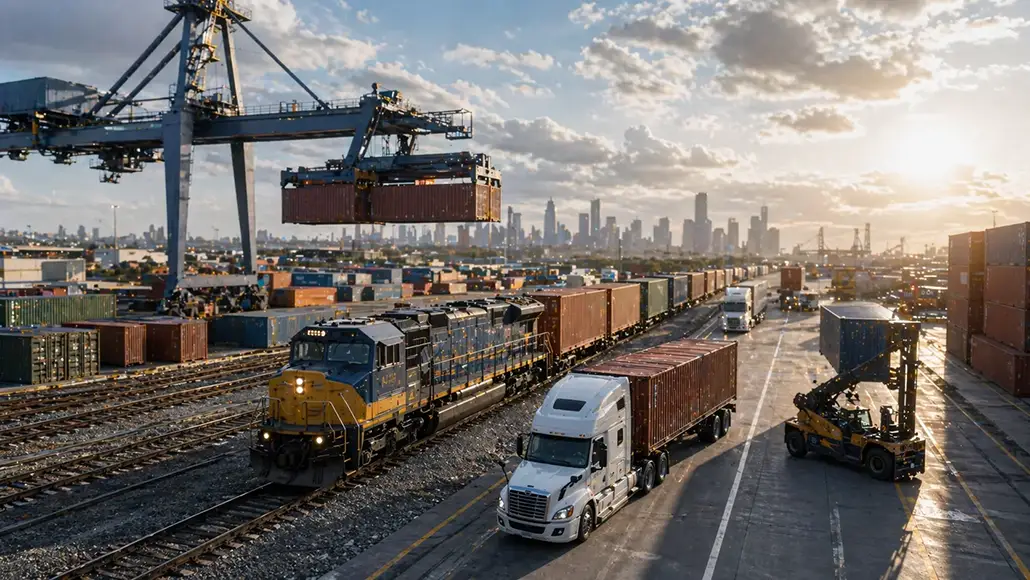
This burgeoning landscape of multimodal logistics in rail and road freight signifies a maturation of the industry, moving beyond simple point-to-point transfers to a sophisticated orchestration of resources. Companies are increasingly recognizing that true competitive advantage emerges from the ability to leverage the unique strengths of each transportation mode. Rail offers unparalleled efficiency for long-haul, high-volume cargo, while road freight services provide the indispensable flexibility and reach for regional distribution and the critical last-mile delivery. The fusion of these capabilities underpins a logistics strategy designed to cut costs, boost speed, mitigate risks, and broaden delivery networks across continents. Transport Advancement sees these advantages as fundamental factor in reshaping the global freight transportation networks.
Redefining Efficiency: The Core Advantages Driving Multimodal Logistics in Rail and Road Freight
The pivot towards multimodal logistics in rail and road freight is not merely a strategic whim. It is a response to the complex demands of modern supply chains, where every delay and inefficiency translates directly to lost revenue and customer dissatisfaction. This integrated approach offers a multifaceted suite of benefits that address the core challenges faced by shippers today.
Strategic Cost Reduction Through Optimized Freight Transportation Networks
One of the most compelling drivers behind the adoption of multimodal logistics is its profound impact on logistics cost reduction. By judiciously combining rail for the long hauls with road freight services for the shorter, more direct routes, companies can significantly reduce their overall transportation expenses. Rail transport, being highly energy-efficient, particularly for bulk and heavy goods over long distances, offers substantial fuel savings compared to exclusive road transport. The fixed schedules of rail also allow for better planning and reduced variable costs. This strategic blend optimizes resource allocation, minimizes empty mileage, and effectively lowers the per-unit cost of freight, making the entire freight transportation network more economical and predictable.
Enhanced Speed and Reliability for Intermodal Shipping
While rail might traditionally be perceived as slower than road, its integration within an intermodal shipping framework often leads to enhanced overall speed and reliability. By consolidating large volumes onto trains for the trunk leg of the journey, congestion on roads is circumvented, and transit times for the core journey become more consistent. When coupled with efficient transfers at dedicated intermodal hubs, the combined journey can be surprisingly swift and, crucially, more predictable. This predictability is a golden asset in a world where just-in-time inventory and tight delivery windows are the norm, ensuring goods arrive reliably when and where they are needed, bolstering overall supply chain optimization.
Mitigating Risks and Bolstering Supply Chain Resilience
The past few years have underscored the fragility of global supply chains. A reliance on a single mode of transport can expose businesses to significant vulnerabilities, from weather disruptions to labor shortages or infrastructure failures. Multimodal logistics in rail and road freight inherently mitigates these risks by offering diversified routes and flexible alternatives. If one mode faces an unexpected challenge, the ability to pivot to another, or to utilize a combination, provides a crucial layer of resilience. This strategic diversification ensures that goods continue to move, maintaining continuity and protecting businesses from costly interruptions, thereby strengthening the entire freight transportation network.
Sustainability and Environmental Stewardship in Modern Logistics
Beyond economic and operational advantages, the environmental benefits of multimodal logistics in rail and road freight are increasingly significant. Rail transport typically boasts a lower carbon footprint per ton-mile compared to road freight. By shifting a substantial portion of long-distance cargo from trucks to trains, companies can dramatically reduce greenhouse gas emissions, aligning with corporate sustainability goals and responding to growing consumer and regulatory pressures. This commitment to greener logistics enhances brand reputation and contributes positively to global efforts to combat climate change, making it a responsible choice for modern businesses.
The Symbiotic Relationship: Integrating Rail and Road Freight Services
The effective implementation of multimodal logistics in rail and road freight hinges on a sophisticated integration of these two complementary modes. It’s about more than just moving freight. It’s about intelligent orchestration and seamless transitions.
The Crucial Role of Intermodal Hubs and Terminals
At the heart of any successful intermodal shipping strategy are the robust intermodal hubs and terminals. These specialized facilities are the critical transfer points where containers are efficiently moved between trains and trucks. Significant investments are being made globally to expand and modernize these hubs, equipping them with advanced cranes, automated gates, and digital tracking systems. The efficiency of these terminals directly impacts transit times and the overall fluidity of the freight transportation network, ensuring that the transfer from rail freight logistics to road freight services is as quick and frictionless as possible.
Technological Enablers: Driving Digital Transformation in Freight Transportation Networks
The rise of multimodal logistics in rail and road freight has been intrinsically linked to advancements in digital technology. Modern logistics platforms, powered by IoT sensors, AI, and big data analytics, provide unprecedented visibility and control over shipments across multiple modes. Real-time tracking, predictive analytics for route optimization, automated documentation, and integrated communication systems all contribute to a highly transparent and efficient freight transportation network. These digital tools allow shippers to make informed decisions, react swiftly to unforeseen events, and ensure the smooth execution of complex intermodal shipping operations.
From Port to Door: Mastering Last-Mile Delivery with Road Freight Services
While rail excels in the long-distance haul, road freight services remain indispensable for the final leg of the journey, the last-mile delivery. This critical stage, often the most challenging and costly, is where the flexibility of trucks truly shines. From urban centers to remote locations, road transport ensures that goods reach their ultimate destination precisely when and where they are needed. The integration of rail freight logistics with optimized road freight services for last-mile delivery creates a holistic solution, capitalizing on rail’s efficiency for the majority of the journey while leveraging road’s agility for the final, crucial stretch.
Shipping Giants at the Helm: Expanding Network Footprints
Major shipping and logistics companies globally are not just observing the growth in multimodal logistics. They are actively shaping it through strategic investments and innovative service offerings. These industry behemoths are recognizing the long-term strategic value of a diversified and integrated network.
Strategic Investments in Rail Freight Logistics
Leading logistics providers are pouring capital into expanding their rail freight logistics capabilities. This includes acquiring rail assets, forming strategic alliances with railway operators, and investing in new intermodal terminals. The goal is to build comprehensive multimodal solutions that offer customers a single point of contact for complex, cross-modal shipments. By owning or closely controlling elements of the rail network, these giants can guarantee capacity, optimize schedules, and deliver more reliable and cost-effective services, further driving supply chain optimization.
Optimizing Road Freight Services for Broader Reach and Responsiveness
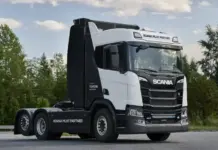
Simultaneously, these companies are relentlessly optimizing their road freight services. This involves expanding fleet sizes, implementing intelligent routing software to minimize transit times and fuel consumption, and leveraging advanced telematics for real-time monitoring. The objective is to ensure that the road component of their multimodal logistics offerings is as efficient and responsive as possible, capable of handling diverse cargo types and meeting varied customer demands, especially for time-sensitive deliveries and last-mile delivery challenges. This dual-pronged expansion ensures a truly end-to-end solution for multimodal logistics in rail and road freight.
Navigating the Complexities: Challenges and Forward-Looking Solutions
Despite its numerous advantages, the expansive growth of multimodal logistics in rail and road freight is not without its challenges. The journey toward a perfectly seamless integrated system requires continuous innovation and collaborative effort.
Addressing Infrastructure Gaps and Regulatory Hurdles
One significant hurdle is the need for continued investment in intermodal infrastructure. While progress has been made, gaps still exist in the connectivity between rail lines and road networks, as well as in the capacity of some intermodal terminals. Furthermore, differing regulatory frameworks across various regions and countries can complicate intermodal shipping operations. This necessitates harmonization and standardization to foster greater efficiency and ease of cross-border movement within freight transportation networks.
The Imperative of Data Integration and Interoperability
The successful orchestration of multimodal logistics relies heavily on the seamless flow of data across different systems, operators, and modes. Achieving true interoperability between disparate IT systems of rail carriers, trucking companies, port authorities, and customs agencies remains a complex task. Robust data integration platforms and standardized data exchange protocols are crucial to provide end-to-end visibility, streamline documentation, and enable predictive analytics for better supply chain optimization.
Talent Development for a Modern Multimodal Workforce
The intricacies of managing multimodal logistics in rail and road freight demand a highly skilled workforce. Professionals need expertise not only in their specific mode of transport but also in the broader ecosystem of intermodal shipping, digital logistics platforms, and international trade regulations. Investing in training and education for logistics professionals is vital to ensure the industry has the talent necessary to manage these increasingly complex and technologically driven freight transportation networks.
The Future Landscape: Continuous Growth in Multimodal Logistics
Transport Advancement believes that the trajectory for multimodal logistics in rail and road freight is one of sustained and accelerated growth. As businesses continue to seek efficiency, sustainability, and resilience, the integrated approach will only become more entrenched as a fundamental strategy.
Further Innovations in Supply Chain Optimization
The future promises even greater sophistication in supply chain optimization. Expect to see advanced AI algorithms predicting disruptions, optimizing routes in real-time across multiple modes, and even managing autonomous vehicles for both rail and road segments. The concept of the “physical internet,” where packages move like data packets through a network, will bring even greater flexibility and efficiency to intermodal shipping.
Shaping a More Resilient and Sustainable Global Supply Chain
Ultimately, Transport Advancement notes that the enduring appeal of multimodal logistics in rail and road freight lies in its capacity to shape a more resilient and sustainable global supply chain. By offering a strategic balance of speed, cost-effectiveness, and environmental responsibility, it provides businesses with the tools to navigate an unpredictable world while contributing positively to planetary health. This comprehensive approach is not merely an option but an evolving necessity for competitive advantage in the global marketplace.
Conclusion: A Strategic Imperative for Modern Businesses
The undeniable multimodal logistics growth in rail and road freight represents a pivotal shift in the global supply chain landscape. As shipping giants continue to expand their extensive freight transportation networks by leveraging the distinct advantages of both rail and road, the benefits for shippers are clear: significant logistics cost reduction, enhanced operational speed and reliability, and a robust defense against disruptions. This strategic integration is more than a trend. It is a fundamental re-engineering of how goods move, fostering greater efficiency, resilience, and sustainability across industries. For businesses looking to optimize their supply chain optimization and maintain a competitive edge, embracing multimodal logistics in rail and road freight is not just an option, but a strategic imperative in the modern age of commerce.
