

























The World Bank Group has approved US$45 million in additional grant financing for the Horn of Africa Initiative: Djibouti Regional Economic Corridor Project. The new funding is designed to strengthen regional connectivity, enhance logistics efficiency, and significantly improve road safety along the Djibouti-Addis Southern Corridor — one of the region’s most strategically important transport routes.
Building on a Growing Investment
This latest approval builds on a growing financial commitment from the World Bank. The original project was approved in December 2021 with a US$70 million allocation, followed by a further US$90 million in additional financing in September 2024. With this new US$45 million grant, total World Bank financing for the project now stands at US$205 million.
The new funding draws directly from lessons learned during the implementation of the parent project, with a particular emphasis on the need to address road safety risks that have been identified along key stretches of the Djibouti Regional Economic Corridor.
Infrastructure Upgrades and Climate Resilience
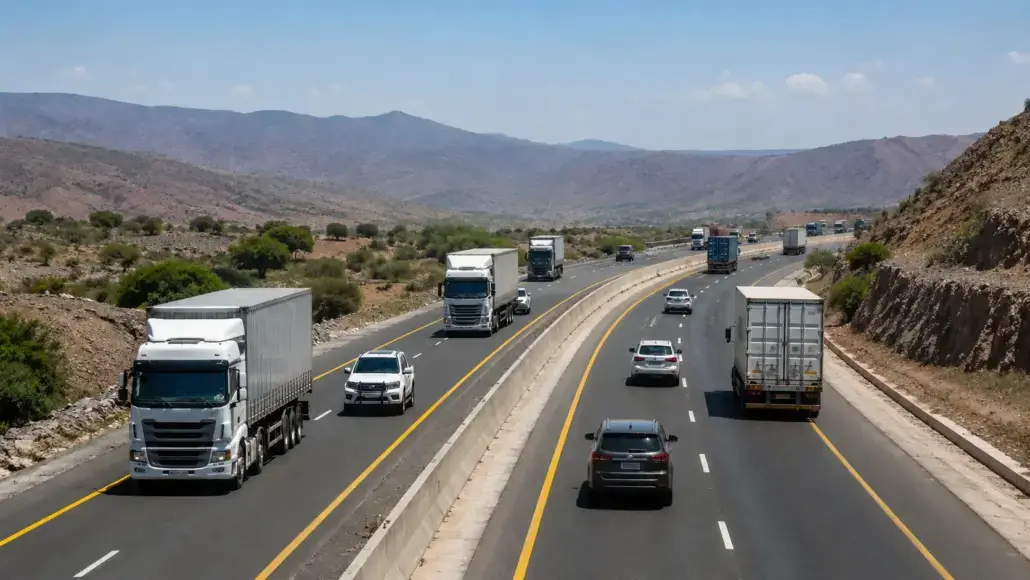
A central focus of this round of financing is the widening of high-risk sections of National Road 1 between Arta and Doudoubala into a dual carriageway with median separation. This upgrade will be complemented by targeted safety measures in selected areas prone to accidents and congestion.
Beyond road widening, the financing will also fund the strengthening of drainage systems and pavement structures to improve the corridor’s ability to withstand the challenges posed by extreme heat and intense rainfall events. Climate resilience is a core pillar of this phase, with 70 kilometers of roads set to be rehabilitated to climate-resilient standards.
A New Focus on Road Safety Management
The operation introduces a new dedicated component centered on safe access and road safety management. This component will support the development of stronger institutions, more effective speed management and enforcement mechanisms, and improved vehicle safety regulations. The goal is to embed lasting road safety governance into the corridor’s management framework, rather than addressing safety through infrastructure alone. Real-time traffic and incident management systems will also be expanded as part of the project’s broader safety and efficiency objectives.
Empowering Local Communities and Women
The financing goes beyond physical infrastructure, with a clear mandate to increase the corridor’s local development impact — particularly for women. The project will support the development of gender-responsive roadside rest areas and marketplaces, with a commitment that at least half of the available stalls will be allocated to women. Targeted business advisory services will accompany this initiative to help women vendors and entrepreneurs build sustainable livelihoods. Overall, the project is expected to create 550 jobs for communities along the Djibouti Regional Economic Corridor, contributing to broader economic inclusion in the region.
Voices from the Project
Fatou Fall, World Bank Group Joint Resident Representative for Djibouti, said, “This new financing reflects the World Bank Group’s commitment to strengthening the safety, resilience, and performance of one of the region’s most strategic transport corridors. By combining safer infrastructure, stronger institutions, and local economic opportunities, the project will improve connectivity while benefiting communities along the corridor.”
Emphasizing the strategic significance of the corridor, Ilyas Moussa Dawaleh, Djibouti’s Minister of Economy and Finance in charge of Industry, said, “The Djibouti-Addis Corridor is not merely a road; it is a strategic economic corridor that underpins regional integration, trade resilience, and shared prosperity. This financing will help transform a critical trade artery into a modern, efficient, and sustainable logistics corridor, reinforcing Djibouti’s ambition to serve as the premier gateway and logistics platform for the Horn of Africa and beyond.”
Projected Outcomes by 2033
The project sets out a clear set of measurable targets to be achieved by 2033. Travel time along the Djibouti-Addis Southern Corridor is expected to be reduced, and truck border-crossing time at Guelileh is anticipated to decrease as well. More than 250,000 people are projected to gain access to more resilient road infrastructure as a result of the upgrades.
Among the most significant targets is a projected 30 percent reduction in road traffic fatalities, a direct outcome of the enhanced Djibouti corridor road safety measures embedded throughout this phase of the project.
