
















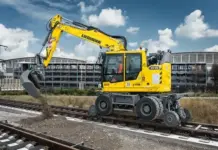





Jordan’s Cabinet of ministers during a session led by Prime Minister Jafar Hassan on 6th May 2026, has approved the 2026 amanedment to the Railway Services Licensing Bylaw. This legislative update aims to modernize the regulatory framework governing the rail sector while enhancing operational efficiency in alignment with regional and international standards. The Rail Licensing Bylaw seeks to regulate the contractual relationship between the regulatory authority and license holders. By refining the licensing process, the government intends to balance investment incentives with strengthened oversight, ensuring the long-term sustainability of the sector and improved operational readiness.
According to a statement from the Prime Ministry, the approved measures in the Rail Licensing Bylaw were consistent with both regional and global standards, while also advancing the gradual development of the national railway network and reinforcing its importance within the Jordan’s transportation infrastructure.
In conjunction with rail developments, the Cabinet has endorsed regulatory measures focused on the land transport sector. These initiatives are specifically designed to accelerate the modernization of the national truck fleet. Under these measures, Jordan has endorsed reducing the maximum permitted age for imported tractor-trailer units to five years. This will make it easier to mandate the removal of trucks older than 20 years from service, either through scrapping or re-export. The Cabinet also emphasized providing significant financial incentives, including full exemptions from general sales tax and waivers on registration and licensing fees.
The Jordanian government aims to modernize more than 8,300 vehicles over a two-year period. This initiative is expected to improve transportation efficiency by reducing operational and maintenance costs and minimizing vehicle breakdowns. Furthermore, these measures are intended to stimulate investment in the logistics and land transport industries, support digitization efforts, and gradually phase out outdated equipment. The updated regulatory framework under the Rail Licensing Bylaw also incorporates enhanced monitoring tools to bolster safety, service quality, and data management, ultimately strengthening the role of rail and road transport within the national infrastructure.
