
























The US transportation market keeps shifting under our feet. You see shippers shop every load harder, tighter appointment windows, and more ugly deadhead when a reload falls apart. At the same time, a few numbers hint at stabilization. That mix creates risk but also opens opportunities for owner-operators, fleet owners, and fleet managers.
Here are the recent events that matter, plus what to do with them.
Demand signals: imports, tariffs, and the consumer
Ports drove a lot of the 2025 story. Retailers pulled holiday imports forward and moved product earlier than usual, partly to dodge tariff risk and cost jumps. Reuters reported that the Port of Los Angeles saw holiday cargo arrive early, and that the port logged a record July 2025 volume of over 1 million TEUs.
Front-loading can juice demand for a while, then leave a soft pocket later. Cass described that pattern in its November 2025 report. It said truckload volumes improved briefly in Q3 ahead of an October 5 import tariff deadline, then softened again in Q4 as shippers drew down pre-tariff inventory.
What that means for you: treat every strong month like a short contract, not a promise. Watch tender volume in your core lanes and build a backup reload plan.
Freight volumes and rates: the hard numbers
ATA reported a small rise in its seasonally adjusted For Hire Truck Tonnage Index for November, up 0.2% from October to 112.4, and it still described a constrained market.
Cass painted a tougher picture of volumes. In November 2025, Cass showed shipments down 7.6% year over year, expenditures down 1.2% year over year, and truckload linehaul up 2.2% year over year.
That mix tells you something important. You can face fewer loads even while you see higher rates in certain pockets, especially when weather or capacity constraints hit. Cass even noted winter storms that pinched spot capacity and pushed spot rates up in recent weeks.
So run the math like a grown-up. Track margin per day, not just rate per mile. If a load steals your clock with detention or forces high tolls, the load can still lose money even with a decent headline number.
Flatbed: why industrial freight looks healthier
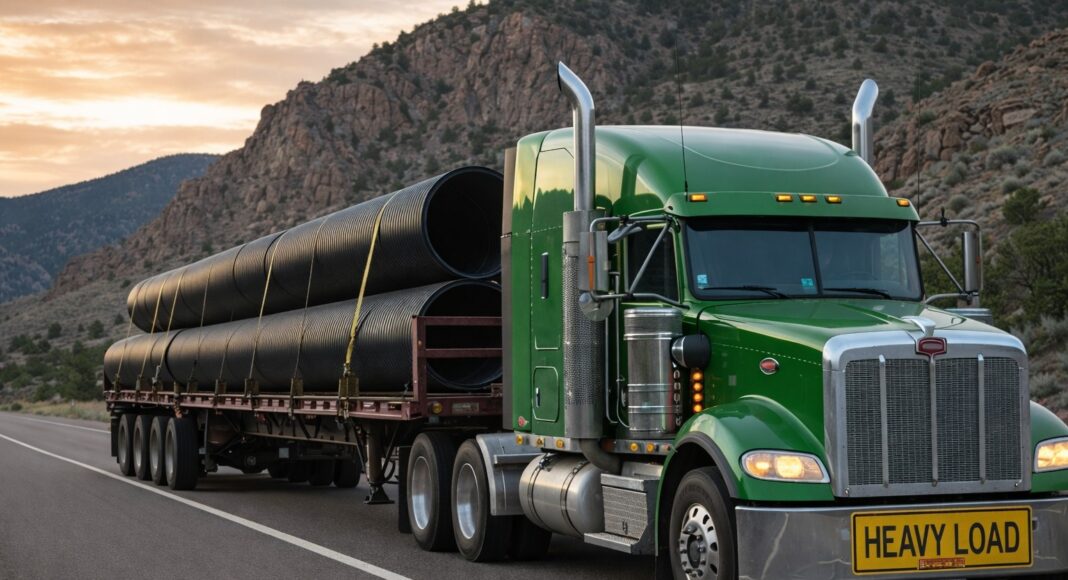
Flatbed does not follow the same script as general retail freight. Industrial projects can keep demand alive even when consumer freight cools.
DAT has highlighted that relative strength. In a late 2025 flatbed report, DAT put national flatbed spot rates at about $2.07 per mile and said those rates were about $0.10 higher than the prior year and about $0.20 higher than 2023.
DAT also pointed to a tailwind from data center construction and related buildouts, which often pull steel, equipment, and construction materials.
If you run flatbed, you can lean into that demand, but you still need the right gear for your freight mix. If you want to add capacity or upgrade equipment, you can compare specs and setups on flatbed trailers and line them up against the loads you actually haul.
Fuel: relief, but not a free pass
Fuel still makes or breaks a week when rates stay choppy. EIA data for January 5, 2026, shows an average US on-highway diesel price of $3.477 per gallon, down $0.084 from the same week a year earlier.
EIA also explained why fuel felt cheaper across 2025. It reported that crude oil prices fell in 2025 because supply outpaced demand.
Do not treat that like a gift. Treat it like a tool. Plan your buy points, use fuel networks, and do not chase cheap freight into high price regions unless the rate pays for it.
Regulation and policy: changes that hit leverage and planning
Broker transparency sits high on the list for 2025 and 2026. DOT summarized the proposed rule this way: brokers would need to provide an electronic copy of each transaction record automatically within 48 hours after service completion.
FMCSA reopened the comment period in February 2025.
Even before a final rule, that proposal has already pushed more carriers to demand cleaner paperwork, faster accessorial approvals, and clearer rate confirmations.
The speed limiter policy moved in the opposite direction. FMCSA and NHTSA withdrew the long-running speed limiter proposals in a July 24, 2025, Federal Register notice, including the 2016 NPRM and FMCSA’s 2022 advance notice.
Emissions planning still creates uncertainty. Cass flagged EPA 2027 low-NOx changes as a factor that could drive prebuy talk in 2026.
ATA also said EPA planning is likely to remove the extended warranty periods set to take effect in 2027, while keeping other parts of the standard in place.
If you spec trucks, build two plans. One plan assumes a 2026 prebuy. One plan assumes you hold equipment longer and invest in maintenance.
Equipment market: fleets watch the cycle too
ACT Research said the Class 8 market remained under pressure in December 2025, even though that period typically sees strong bookings.
Then ACT reported a jump in preliminary December net orders to about 42.7k units, up year over year.
That tells you fleets still hesitate, but they also chase build slots when they smell a turn. If you manage a fleet, lock in early replacement timing, protect cash, and build flexibility.
Fraud and cargo theft: a real 2025 headache
Fraud does not just annoy you. Fraud can burn an entire week and wipe out a month’s profit.
Cargo theft has stayed hot. Verisk CargoNet said it recorded 884 cargo theft events across the United States and Canada in Q2 2025, up 13% year over year.
Many theft crews now mix physical theft with digital tricks. Trucking info described freight fraud that manifests as double brokering, fictitious pickups, and identity theft targeting real carrier brands.
Give your team one simple rule: treat every new broker and every last-minute carrier swap as suspicious until you verify it. Confirm MC numbers, phone numbers, and emails through sources you trust, not through a single inbound email. If you dispatch for a fleet, lock down who can change pickup numbers and rate con details.
Insurance and risk: the bill keeps rising
Insurance keeps squeezing small fleets. Freight Waves has described a commercial auto liability market that has remained unprofitable for insurers for many years, which keeps pressure on premiums.
So you cannot shrug off safety and claims. Make securement non-negotiable, tighten pre-trip checks, and respond fast when something happens. Your safety record directly affects your cost structure.
A practical playbook for 2026
You do not control rates, but you control execution.
Pick lanes that turn fast and match your equipment.
Price freight based on total cost, not hope.
Document detention and charge it.
Score brokers and shippers based on pay speed, problems, and respect for your time.
Protect maintenance days like they protect your pay check.
Keep cash reserves for slow weeks and tire surprises.
The bottom line
The data shows soft freight volumes in major indexes, yet it also shows pockets of strength, especially in flatbed tied to industrial work. Tariff timing, weather, policy changes, fraud risk, and equipment decisions will continue to reshape this market through 2026. Tighten your operation now so that when the cycle finally turns, you will already be in position.
