




















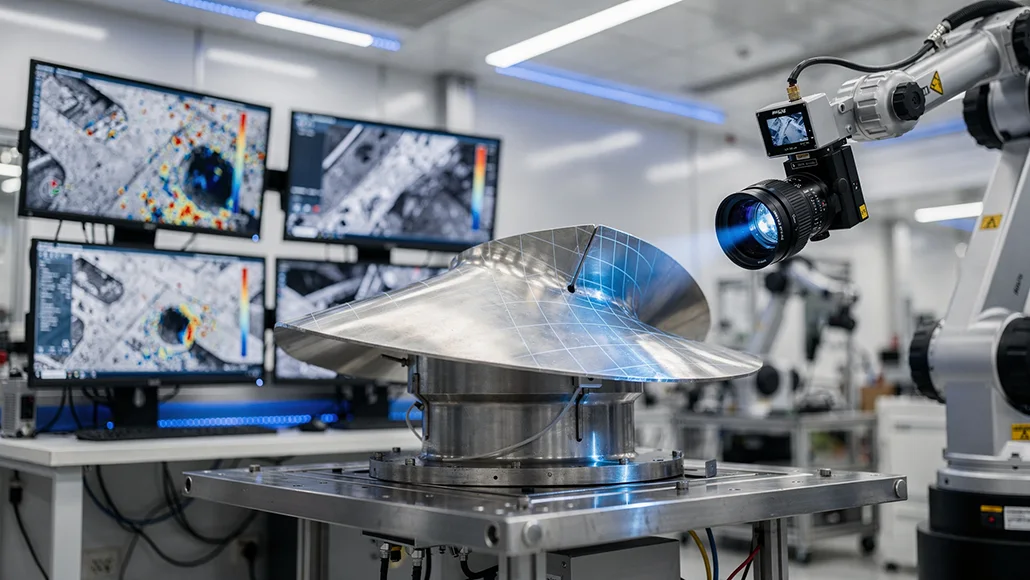
The manufacturing of transport assets whether they are commercial aircraft, high-speed locomotives, or electric passenger vehicles has always been a high-stakes endeavor. In these industries, a minor flaw in a critical component can lead to catastrophic mechanical failure, making quality assurance the cornerstone of the entire production process. Historically, quality control was a reactive discipline, relying on post-production inspections to identify and remove defective parts. However, as the complexity of transport systems increases and the demand for production speed grows, this old model is proving insufficient. The industry is now embracing a more sophisticated approach: predictive quality control in transport manufacturing. By integrating artificial intelligence, machine learning, and high-fidelity sensor networks directly into the assembly line, manufacturers can now anticipate defects before they even occur, ensuring a level of precision that was previously unattainable.
The Evolution from Reactive to Proactive Quality Assurance
The traditional “inspect and reject” model of quality control is inherently wasteful. When a defect is discovered at the end of a production line, the material, energy, and labor invested in that part are often lost. In the context of large-scale transport manufacturing, where components are made from expensive alloys and require hundreds of hours of precision machining, this waste is a significant economic burden. Predictive quality control in transport manufacturing changes the fundamental logic of the factory floor. Instead of looking for mistakes that have already happened, the system monitors the variables that cause mistakes in the first place.
This proactive stance is made possible by the Industrial Internet of Things (IIoT). Modern assembly lines are now equipped with thousands of sensors that track everything from the temperature of a welding arc to the vibration frequency of a milling machine. When these sensors detect a subtle drift from the optimal parameters even if the part being produced is still technically within tolerance the system flags it as a potential quality risk. By intervening at this early stage, manufacturers can adjust the machinery in real-time, preventing the defect from ever materializing. This not only improves the final product but also significantly increases the overall equipment effectiveness (OEE) of the factory.
Harnessing AI and Machine Learning for Defect Detection
At the heart of predictive quality control in transport manufacturing is the ability to process and interpret vast amounts of data. Human inspectors, while highly skilled, are limited by their senses and their capacity for sustained attention. In contrast, AI-powered computer vision systems can analyze thousands of images per second, identifying microscopic surface cracks or structural inconsistencies that are invisible to the naked eye. These systems are trained on massive datasets of both “perfect” and “defective” parts, allowing them to recognize even the most subtle patterns associated with future failure.
In aerospace manufacturing, for instance, the casting of turbine blades involves complex thermal processes. A slight variation in the cooling rate can lead to internal stresses that compromise the blade’s integrity under the extreme heat of a jet engine. By applying predictive analytics to the thermal data collected during the casting process, manufacturers can predict the internal grain structure of the blade without having to perform destructive testing. This capability is revolutionary, as it allows for 100% inspection rates of critical components without slowing down the production cadence.
The Role of Digital Twins in Quality Prediction
The concept of the “Digital Twin” has become an essential tool in the implementation of predictive quality control in transport manufacturing. A digital twin is a virtual replica of a physical asset or process that is updated in real-time with data from the factory floor. By running simulations on these digital models, engineers can explore “what-if” scenarios to understand how changes in the manufacturing environment such as a shift in ambient humidity or the wear of a cutting tool will affect the quality of the final product.
In the automotive sector, digital twins are used to optimize the robotic assembly of vehicle frames. By simulating the thousand-plus spot welds required for a modern chassis, the predictive system can identify areas where the structural integrity might be compromised due to heat distortion. This allows the robots to adjust their welding sequence or pressure dynamically, ensuring that every frame that rolls off the line is perfectly aligned. This integration of virtual simulation and physical reality is what allows modern manufacturers to achieve the “six-sigma” levels of quality required for safety-critical transport assets.
Acoustic and Thermal Monitoring of Industrial Processes
Beyond visual inspection, predictive quality control in transport manufacturing increasingly relies on multi-modal sensing. Acoustic monitoring, for example, uses high-sensitivity microphones to “listen” to the sound of industrial processes. Every machine has a unique acoustic signature when it is operating correctly; when a bearing begins to wear or a drill bit becomes dull, the sound changes in ways that are often imperceptible to humans but clearly identifiable to an AI algorithm. By analyzing these acoustic fingerprints, the system can predict when a tool is about to fail and trigger a quality alert.
Thermal imaging is equally vital. In the production of composite materials for the next generation of light-weight aircraft and rail cars, the curing process is critical. If the resin does not cure evenly, the composite can delaminate under stress. Predictive systems use infrared cameras to monitor the temperature distribution across the entire surface of the part during the curing cycle. If a “cold spot” is detected, the system can automatically adjust the heating elements to compensate, ensuring a uniform and high-quality finish every time.
Strengthening Global Competitiveness Through Innovation
The transition to predictive quality control in transport manufacturing is not just about internal efficiency; it is a critical factor in global competitiveness. In an increasingly crowded market, manufacturers who can guarantee a higher level of reliability at a lower cost will inevitably lead. This is particularly true for emerging players in the electric vehicle and green energy sectors, where building brand trust is paramount. By marketing “predictive-certified” components, companies can offer longer warranties and lower total cost of ownership to their customers, creating a significant competitive advantage.
Furthermore, these systems allow for a much faster feedback loop between the factory and the design studio. When a predictive system identifies a recurring material issue or assembly challenge, that data is fed back to the design engineers. This allows for rapid iterations and improvements in the next generation of products, ensuring that the manufacturing process is always aligned with the latest engineering insights. This “closed-loop” manufacturing ecosystem is the hallmark of the most successful transport companies in the world today.
Economic and Environmental Impact of Predictive Systems
The benefits of predictive quality control in transport manufacturing extend far beyond the technical specifications of the products. From a business perspective, the reduction in scrap and rework translates directly into higher profit margins. In an industry where the cost of a single grounded aircraft or recalled vehicle fleet can run into the billions, the insurance policy provided by predictive quality is invaluable. Furthermore, by reducing the amount of raw material that is wasted, these systems contribute to a more sustainable and circular manufacturing economy.
The labor market is also being transformed. As AI takes over the repetitive and physically demanding tasks of inspection, the role of the human worker is shifting toward high-level oversight and system management. Quality engineers in the transport sector are now becoming data-literate strategists who design and refine the algorithms that govern the factory. This shift is creating new opportunities for high-skilled employment and ensuring that the manufacturing sector remains a driver of technological innovation.
Key Takeaways
The transition to predictive quality control in transport manufacturing represents a significant milestone in the Fourth Industrial Revolution. By moving away from reactive inspections and embracing a data-driven, proactive approach, manufacturers are achieving unprecedented levels of precision and reliability. This technology ensures that the vehicles and infrastructure of the future are not only more efficient and advanced but also fundamentally safer for the people who rely on them.
The integration of AI, sensor networks, and digital twins is no longer a luxury for the elite tiers of the industry; it is becoming a standard requirement for anyone competing in the global transport market. As these systems continue to evolve, we can expect a future where manufacturing defects are a thing of the past, and every component produced is optimized for a lifetime of high-performance service.
