






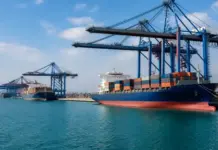















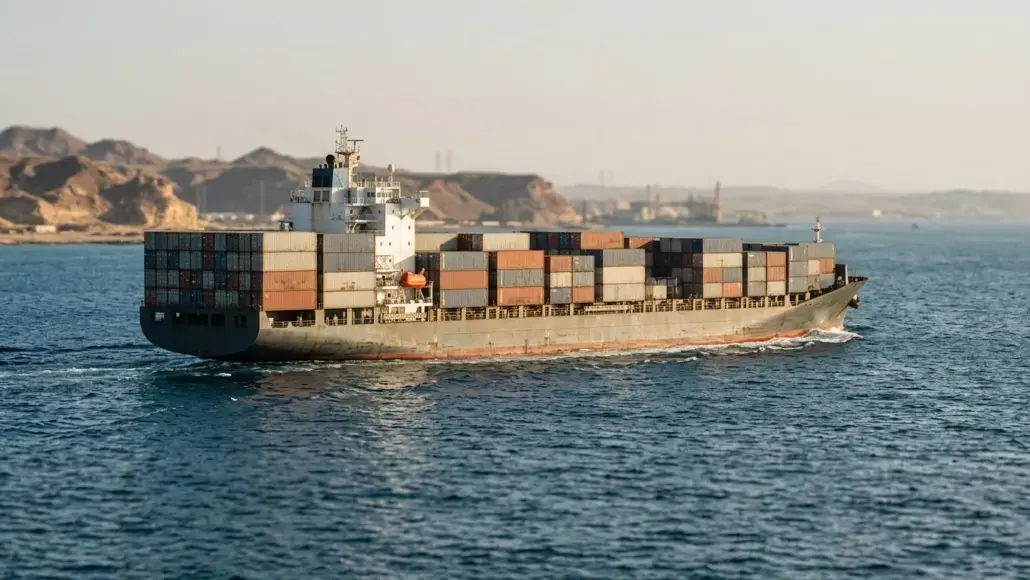
The Saudi Ports Authority has officially inaugurated the operations of the Red Sea Express container line, a collaborative venture involving Folk Maritime, the Saudi Basic Industries Corporation, and the Red Sea Gateway Terminal. This development represents a strategic advancement in Saudi maritime logistics, aimed at improving the flow of goods across the region. The service recently celebrated its first voyage to the King Fahad Industrial Port in Yanbu, transporting an initial shipment with a capacity of 1,100 standard containers.
This new Red Sea Express container line establishes a direct maritime link between Yanbu and the Jeddah Islamic Port, extending further to reach the Port of Aqaba in Jordan and the Ain Sokhna Port in Egypt. By connecting these vital locations, the initiative facilitates a more seamless exchange of commodities between the Kingdom and its regional neighbors. Such efforts are central to the National Transport and Logistics Strategy, which focuses on modernizing Saudi port infrastructure to position the country as a primary global logistics hub connecting three continents.
Strengthening Industrial Exports and Supply Chain Efficiency
The introduction of the Red Sea Express container line corridor has already yielded practical results for the industrial sector. The Saudi Basic Industries Corporation confirmed the successful export of its first shipment of polymer products from the King Fahad Industrial Port via this new line. This move is expected to significantly enhance distribution efficiency and provide the company with more direct access to customers throughout the region. The partnership between these major national entities underscores a commitment to regional trade expansion and the optimization of supply chain logistics.
By offering specialized container shipping services, the route is designed to reduce transit times and streamline the movement of industrial goods. Historically, the Kingdom has continued to introduce direct shipping connections to support its manufacturing and petrochemical sectors. The King Fahad Industrial Port remains a cornerstone of this strategy, maintaining an annual capacity of 210 million tons for handling various industrial materials, including refined products and crude oil.
Economic Impact and Regional Connectivity
The integration of Jeddah, Yanbu, Ain Sokhna, and Aqaba through this service reinforces the Kingdom’s role as a central figure in Red Sea commerce. Beyond improving operational performance, the Red Sea shipping route is anticipated to accelerate cargo handling and minimize waiting periods at ports. These improvements in Saudi maritime logistics are projected to drive an increase in non-oil exports and foster competitiveness in Saudi exports in international trade.
