





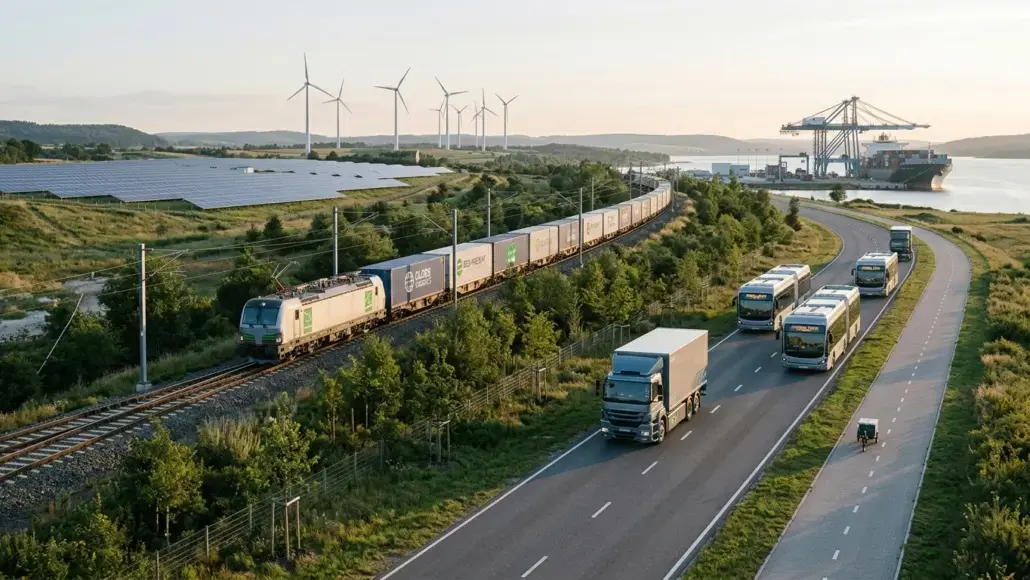
Transport is the indisputable backbone of global economic activity, linking populations to employment, education, healthcare, and vital markets. It drives long-term prosperity by facilitating the continuous movement of goods that power industries and stabilize international supply chains. Yet, despite its centrality, modern mobility networks face monumental challenges. From spiraling greenhouse gas emissions and rapid ecosystem degradation to systemic inequalities that leave over a billion people without access to an all-season road, the traditional frameworks of transportation are straining under the weight of modern demands. As a critical enabler of the United Nations’ 2030 Agenda, achieving sustainability in transport has become a top priority for global leaders, policymakers, and corporate executives worldwide.
Through sweeping global mandates like the United Nations Decade of Sustainable Transport (2026–2035) and highly targeted investment strategies such as the European Union’s Sustainable Transport Investment Plan, the sector is undergoing a profound, systemic transformation. This article explores the strategic roadmaps, financial vehicles, and technological innovations currently being deployed to revolutionize global transport networks for a resilient, equitable, and decarbonized future.
The Strategic Imperative: The UN Decade of Sustainable Transport
Recognizing that mobility infrastructure choices made today will lock in pathways for decades, the United Nations General Assembly officially declared 2026 to 2035 as the Decade of Sustainable Transport. This initiative reframes passenger and freight transport not merely as technical engineering challenges, but as fundamental social systems. It mandates that universality, equity, and human rights become the central design principles for future infrastructure.
The UN Implementation Plan establishes that no single entity or sector can achieve this transformation in isolation. To effectively overhaul mobility networks, transit planning must be meticulously aligned with national development strategies, land-use planning, climate action policies, and healthcare initiatives. The UN outlines six transformative focus areas to guide executive action and international investment over the coming decade:
- Ensuring Access for All: Expanding multimodal transit networks to provide affordable, first- and last-mile connectivity, particularly for rural communities, women, persons with disabilities, and historically underserved populations.
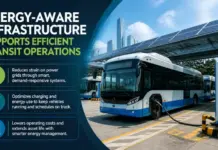
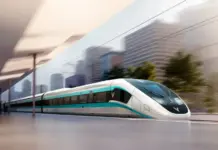
- Advancing Low- or Zero-Carbon, Resilient Systems: Systematically incorporating sustainable transit into national climate adaptation strategies, expanding renewable energy infrastructure, and transitioning to zero-emission fleets while utilizing nature-based resilience solutions like permeable pavements and coastal buffers.
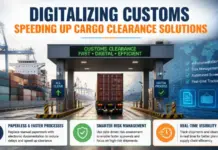
- Enhancing Efficiency and Logistics: Upgrading intermodal transport corridors to facilitate global trade, particularly for Landlocked Developing Countries (LLDCs) and Small Island Developing States (SIDS), while streamlining customs and applying digital logistics platforms.
- Shaping People-Centered Urban Mobility: Shifting away from private vehicle-centric models toward compact, mixed-use urban planning that prioritizes safe public transit, walking, and cycling, while formally integrating informal transport providers.
- Making Transport Safe and Secure: Adopting the “Safe System” approach to redesign roadways, enforce strict safety standards, and drastically reduce road traffic injuries, currently the leading cause of death globally for youth aged 5 to 29.
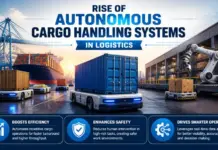
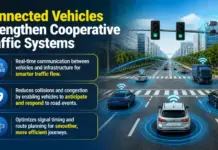
- Leveraging Science, Technology, and Innovation (STI): Scaling intelligent transit systems powered by artificial intelligence, real-time data tracking, and electronic logistics documentation to enhance system responsiveness and efficiency.
Decarbonizing Aviation and Maritime Sectors: The EU’s Investment Roadmap
While the UN provides the overarching global philosophy, regional bodies are actively operationalizing these goals through massive financial commitments. The European Commission’s newly adopted Sustainable Transport Investment Plan (STIP) serves as a prime example of rapid, highly targeted application. Aviation and waterborne transport have historically been considered “hard-to-abate” sectors. However, the STIP establishes a pivotal roadmap to rapidly accelerate their energy transition, acting as a core component of the EU Competitiveness Compass and the Clean Industrial Deal.
Integrating sustainability in transport is no longer a peripheral environmental goal. It is a central pillar of economic competitiveness and energy independence. To meet the aggressive fuel targets outlined in the ReFuelEU Aviation and FuelEU Maritime Regulations, the European market will require approximately 20 million tonnes of sustainable alternative fuels (comprising 13.2 million tonnes of biofuels and 6.8 million tonnes of e-fuels) by 2035. Driving this production scale demands monumental financial backing, with an estimated €100 billion required from the market over the next decade.
To bridge the immediate financial gap and eliminate short-term investment barriers, the EU has committed to mobilizing at least €2.9 billion by the end of 2027 through several strategic pipelines:
- InvestEU: Mobilizing at least €2 billion for sustainable alternative fuels.
- The European Hydrogen Bank: Proposing €300 million to support hydrogen production for sustainable aviation fuels (SAF) and sustainable maritime fuels (SMF).
- Innovation Fund & Horizon Europe: Allocating €153 million for synthetic aviation fuels, €293 million for maritime fuel projects, and €133 million for specialized research and innovation.
- eSAF Early Movers Coalition: A pilot project aiming to mobilize a further €500 million specifically for synthetic aviation fuel projects.
According to EU, this plan is about more than cutting emissions. It is a strategic opportunity to build a stronger, more resilient Europe that secures a definitive competitive advantage on the global stage.
Reimagining Urban Mobility and Social Inclusivity
Beyond industrial decarbonization, global initiatives are fundamentally rethinking the human experience of mobility. With nearly 7 billion people projected to reside in urban areas by 2050, city infrastructures designed exclusively around the private automobile are leading to unsustainable congestion, fragmented spaces, and severe social exclusion.
Modern initiatives demand that city planners shift toward people-centered urban mobility. This requires institutionalizing participatory planning processes that account for the distinct travel behaviors of marginalized groups, ensuring that transit options connect low-income households directly to economic hubs. It also involves making sustainability in transport a holistic pursuit that values human life and community well-being as highly as ecological preservation. For example, recognizing the severe physical risks faced by vulnerable road users, global safety mandates are pivoting toward the “Safe System” approach, which accepts that human error is inevitable but serious injury is preventable through robust infrastructural design, rigorous vehicle inspections, and comprehensive speed management.
Furthermore, social sustainability requires addressing the personal security threats, such as harassment and violence, that disproportionately restrict the mobility of women and girls. Inclusive design, improved lighting, the integration of women into the transport workforce, and active public spaces are now recognized as essential components of sustainable infrastructure.
Leveraging Digital Innovation and Innovative Financing
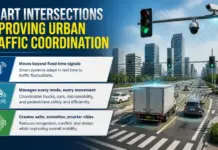
Achieving the aggressive targets set for 2035 relies heavily on the rapid deployment of Science, Technology, and Innovation (STI). Digitalization is streamlining global logistics and reducing the environmental footprint of cross-border trade. Innovations such as the electronic procedures of the TIR Convention (eTIR), electronic consignment notes (e-CMR), and the mandatory implementation of the Maritime Single Window are revolutionizing supply chain transparency while dramatically reducing administrative friction and paperwork. In urban centers, intelligent systems powered by artificial intelligence and Mobility-as-a-Service (MaaS) platforms are optimizing public transit routes in real-time, matching service capacity precisely to fluctuating citizen demand.
However, the chasm between current funding levels and the capital required to fully modernize global infrastructure remains vast. The costs of inaction, measured in lost economic productivity, environmental damage, and public health crises, amount to trillions of dollars annually. To solidify sustainability in transport globally, governments and multilateral development banks must adopt innovative financing models. The UN Implementation Plan advocates for expanding the use of green bonds, blended finance, land value capture, and congestion pricing. By ensuring user charges reflect the true environmental and social costs of transport, markets can naturally incentivize the shift toward cleaner, more efficient modes of travel.
Conclusion: The Collaborative Path Forward
The path to 2035 is unequivocally defined by the need for systemic, cross-sectoral evolution. The United Nations Decade of Sustainable Transport provides the essential global philosophy, advocating for systems that are equitable, technologically advanced, and universally accessible. Simultaneously, regional actions like the EU’s Sustainable Transport Investment Plan demonstrate how policy frameworks and massive capital mobilization can rapidly de-risk investments and scale the production of alternative fuels.
The clock is running. Whether it involves building robust supply chains, developing climate-resilient infrastructure, or ensuring safe access to healthcare and education, achieving true sustainability in transport demands unprecedented collaboration among global policymakers, private enterprises, multilateral financiers, and civil society. Only through this unified, strategic vision can we transform the arteries of our global economy into engines of sustainable, inclusive prosperity for the decades to come.
