












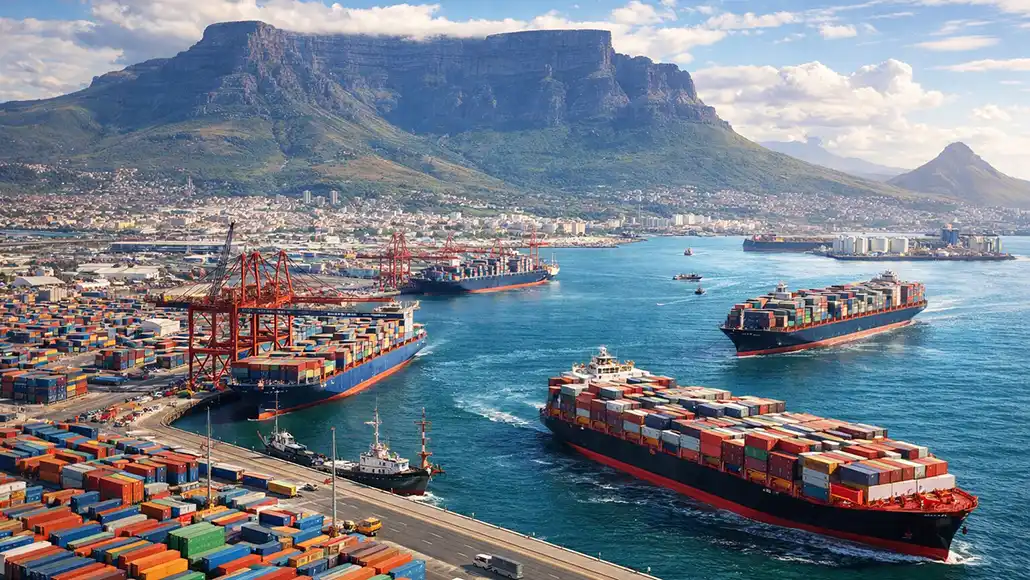
Ship-refuelling companies operating along Africa’s coastline are experiencing a sharp rise in activity as global shipping patterns shift, placing African bunkering hubs at the center of evolving maritime trade routes. The rerouting of vessels around the Cape of Good Hope, driven by ongoing conflict in the Middle East, has elevated the continent’s role in global fuel supply chains. Since late 2023, carriers have increasingly avoided the Suez Canal and the Bab el-Mandeb Strait following Houthi attacks on Red Sea shipping. More recently, U.S. and Israeli strikes on Iran, combined with the closure of the Strait of Hormuz, have reinforced this diversion trend. Major shipping lines including Maersk, Hapag-Lloyd, and CMA CGM confirmed this month that vessels are being redirected along the longer Cape route, further boosting demand at African bunkering hubs.
Although these diversions extend voyage durations, they also create new opportunities for refuelling at emerging African supply points. This shift is accelerating investment from both established suppliers and new entrants seeking to expand their presence. Companies such as Monjasa have reported increased demand, reflecting a broader uptick in activity across the region. New players including Vitol, Bunker Partner, Peninsula, Flex Commodities and Global Fuel Supply have also announced expansion plans, signalling confidence in the long-term potential of African bunkering hubs. Monjasa, which has maintained operations in West Africa for nearly two decades and also supplies fuel at Fujairah, recorded further growth in bunkering volumes during the first week of the Iran war, underscoring the immediate impact of geopolitical developments on the sector.
The scale of this transition is evident along the Cape route, where vessel diversions surged by 112% as of early March, according to the Cape Chamber of Commerce and Industry. This increase suggests that carriers may be adjusting to a more sustained operational shift rather than a temporary response. Beyond short-term geopolitical drivers, the outlook for African bunkering hubs is supported by broader structural factors, including rising intra-African trade, ongoing investment in port infrastructure, and the continent’s strategic position within global shipping networks. Tahra Sergeant, Africa regional manager at the International Bunker Industry Association, highlighted these dynamics as key contributors to future demand growth. Data from the Mauritius Ports Authority further illustrates this trend, with bunker fuel sales at Port Louis nearly doubling to a record 929,043 metric tons in 2024, compared with 509,837 tons the previous year.
Despite the positive momentum, challenges remain for the expansion of African bunkering hubs. Industry sources point to persistent risks including piracy, infrastructure limitations, and uncertainties surrounding fuel supply. The closure of the Strait of Hormuz, which has disrupted Middle Eastern fuel exports, adds another layer of complexity for suppliers operating in the region.
