





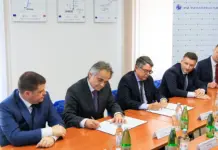









A lack of integration across Transnet’s value chain is driving significant costs for the cargo industry linked to South African ports, according to Glen Steyn, director of Maritime Logistics Development in the Western Cape Province Government. Speaking at the National Transport Conference in Midrand on 17th March 2026, Steyn pushed back against earlier remarks that framed ports as self-sufficient ecosystems. Instead, he emphasized that inefficiencies within South African ports stem largely from fragmented coordination across stakeholders, which continues to disrupt cargo flows and increase operational expenses.
Steyn pointed out that at the port ecosystem level, uncertainty persists over how to get an organisation like Transnet to integrate cargo planning with itself, its operating division, and then integrating that with shipping lines, exporters, importers and transporters. He stressed that the absence of such coordination is directly contributing to rising costs, stating, The fact that we don’t have that integration is coming at huge costs because of delays at our ports, Steyn said. These challenges must also be viewed in light of comments by President Cyril Ramaphosa at the start of the conference, where it was noted that inefficiencies across South African ports result in losses of about R1 billion in revenue per day.
Further discussion at the event highlighted some improvement, though challenges remain. Stellenbosch University Professor Jan Havenga, who participated in the first panel session following Ramaphosa’s speech, indicated that recent changes in leadership at Transnet have helped reduce losses to around R750,000 per day. Despite this progress, Steyn maintained that persistent inefficiencies and the ongoing need for deeper integration continue to undermine the competitiveness of South African ports. While acknowledging that developments are underway, he noted that gains are not yet sufficient to resolve structural issues.
Steyn also pointed to technological advancements as a key driver of progress, highlighting the role of online tools in improving operations, while observing that for some reason, there is some resistance in the system. Referencing Professor Peter de Langen of the Ports and Logistics Advisory in Malaga, he underscored the importance of ecosystem enhancement to attract investment. He further emphasized the value of existing expertise, citing like lean management training which can go right down to supervisory level as a way to improve efficiency. Addressing inefficiencies tied to delays, Steyn concluded that eliminating waste through better use of human resources should be a top priority in logistics right now, particularly for strengthening the performance of South African ports.
