
















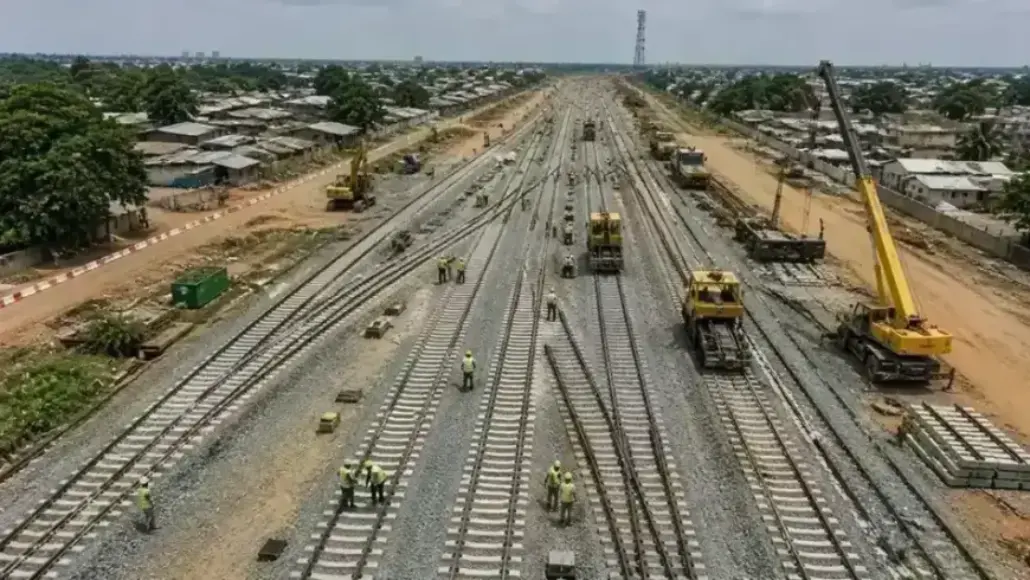
Nigeria’s Federal Executive Council has given its approval for extensive rail infrastructure projects valued at close to $3 billion. These initiatives are set to enhance urban transport networks in Lagos, Kano, and Kaduna, reflecting a concerted push by President Bola Tinubu’s administration to stimulate economic expansion through substantial public investment.
Nigeria’s Minister of Finance and Coordinating Minister of the Economy, Taiwo Oyedele, announced on 30th April 2026 that the approved rail infrastructure projects are designed to improve mobility, alleviate congestion, and bolster productivity within some of the nation’s most critical commercial and industrial centres. The specific projects receiving cabinet approval include Phase 1A of the Lagos Green Line rail project, the Kano Metro City rail network, and the Kaduna light rail system.
“We know that for economic development, you need infrastructure that works one that enhances productivity and growth,” Oyedele said. The combined estimated cost of these three significant Nigeria rail projects amounts to approximately $2.99 billion. This investment underscores the government’s ongoing commitment to leveraging infrastructure spending as a key strategy for economic advancement, even amidst fiscal pressures and the costs associated with debt servicing.
Financing for these rail infrastructure projects is expected to come from the Ministry of Finance Incorporated, complemented by counterpart funding. Details regarding specific financing partners and implementation timelines were not immediately disclosed.
These rail investments are a vital component of the broader strategy by the current administration to overhaul Nigeria’s transport infrastructure. The aim is to reduce logistical challenges and enhance connectivity across densely populated urban areas. Lagos, the country’s primary commercial hub, experiences immense pressure on its transport systems due to rapid population growth and persistent traffic congestion. Kano and Kaduna, meanwhile, are recognized as crucial industrial and trading centres in the northern region.
Analysts suggest that the development of urban rail systems, when executed efficiently, has the potential to improve the ease with which the workforce can commute, decrease travel expenses for individuals, and spur property and commercial development in areas surrounding transport corridors. The approval of these extensive Nigeria rail projects also highlights a growing governmental focus on mass transit solutions as Nigerian cities contend with increasing urbanisation, limitations in road infrastructure, and elevated transportation costs, particularly in the wake of fuel subsidy reforms. Officials anticipate that this targeted infrastructure spending will complement broader economic reforms intended to attract investment, foster non-oil sector growth, and ultimately raise the standard of living for citizens.
