












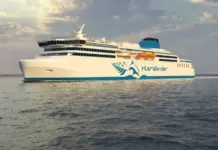


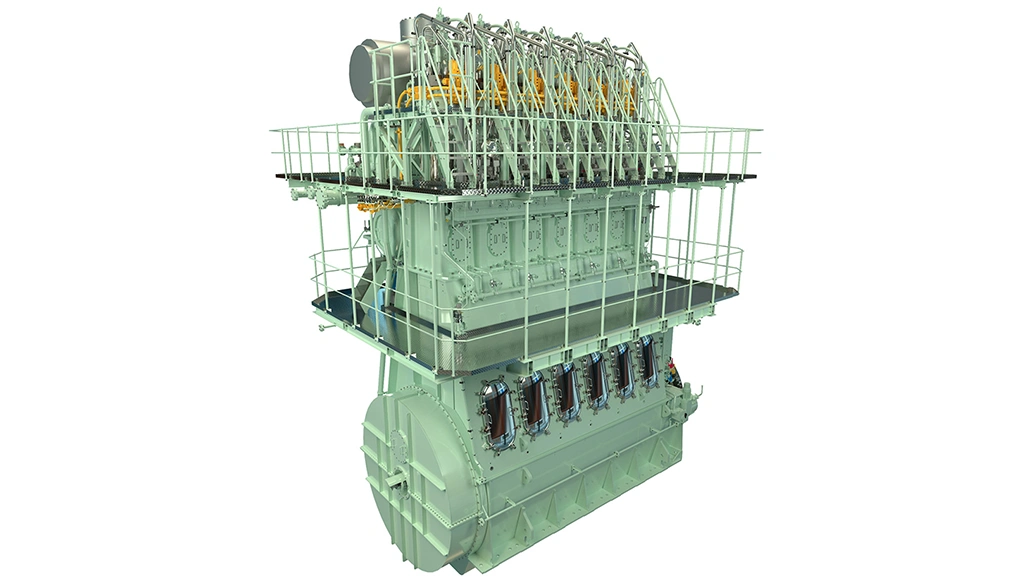
Brazilian mining and logistics giant Vale and German engineering company Everllence have signed a cooperation agreement to jointly develop dual-fuel ethanol engines for maritime use. Under the agreement, Vale will partner with Everllence to create an advanced ethanol-powered engine based on the well-known B&W ME-LGI (-Liquid Gas Injection) platform. The partners want to make ethanol engines a long-lasting and profitable alternative to regular fossil fuel engines. This includes using ethanol’s technological and environmental properties to find a compromise between lowering emissions and cutting expenses.
The companies will work together to come up with a solution that makes use of ethanol’s life-cycle neutrality and its ability to cut carbon emissions compared to fossil fuels. There is no sulfur in ethanol, it is not extremely harmful, and it may be broken down by bacteria and dissolved in water. Also, since it stays liquid at normal temperatures and pressures, it can be handled using ordinary bunkering and onboard methods, making time-taking activities much easier. Vale’s vision for the future is to employ multiple fuels in its fleet, which will make it more flexible and help reduce greenhouse gas emissions. Both the companies said that the deal is an extension of their long-term, strategic partnership and a promise to work together to find long-term shipping solutions.
Christian Ludwig, Vice President, Head of Global Sales & Promotion, Two-Stroke Business at Everllence, said that he sees Vale as an important strategic partner and is happy to help the firm grow its fleet. He also said that this deal is a great step toward decarbonization of big shipping operations. He thinks that their alliance will help make the use of ethanol more commercially viable. The partnership builds on Everllence’s recent work on ethanol engines. The company announced two major achievements in September and December 2025. One was that a 90-bore, two-stroke ME-LGIM (Liquid Gas Injection Methanol) engine in Japan was able to run on ethanol at all load points. The other was the successful ethanol-powered performance of a four-stroke 21/31 dual-fuel GenSet at company test facilities in Denmark at all load points.
