














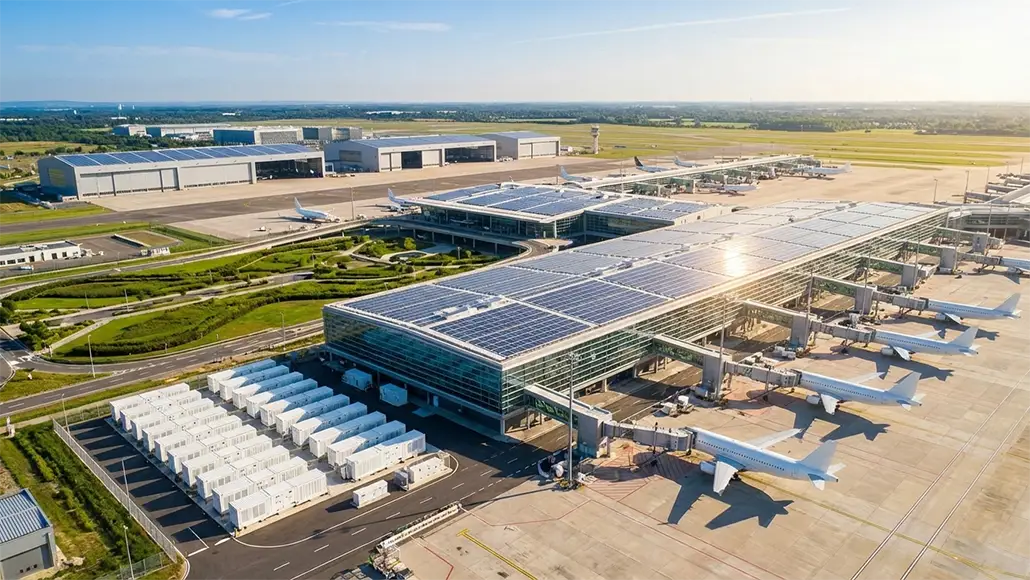
The global transportation sector is one of the most significant consumers of energy, with its physical infrastructure ranging from sprawling international airports to deep-water seaports and high-capacity rail depots accounting for a substantial portion of that footprint. Traditionally, these facilities operated as passive consumers of utility-provided electricity, with little granular control over how and when power was used. However, the twin pressures of rising energy costs and aggressive decarbonization targets have triggered a technological revolution. The implementation of smart energy management in transport facilities is transforming these hubs into intelligent, self-optimizing energy ecosystems. By leveraging the Internet of Things (IoT), artificial intelligence, and localized energy generation, transport authorities are not only reducing their environmental impact but also enhancing the operational resilience of critical infrastructure.
The Architecture of Modern Energy Hubs
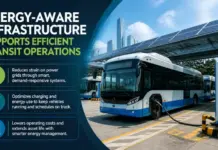
A modern transport facility is no longer just a place for moving people and goods; it is becoming a complex energy microgrid. Smart energy management in transport facilities involves a layered approach that begins with real-time data collection. Sensors installed across a facility monitor everything from the occupancy levels in a departure lounge to the charging status of electric ground support equipment. This data is fed into a centralized management platform that uses AI to predict future energy demand based on flight schedules, weather forecasts, and historical usage patterns.
This predictive capability allows the facility to move beyond simple efficiency and toward active energy orchestration. For instance, an airport can pre-cool a terminal building using renewable energy during the middle of the day when solar production is at its peak, effectively “storing” thermal energy for the evening rush. This reduces the reliance on the grid during peak hours, lowering the facility’s demand charges and easing the strain on the broader electrical infrastructure.
Integrating Renewables and Localized Generation
The most visible component of smart energy management in transport facilities is the integration of on-site renewable energy. Large-scale solar arrays on hangar roofs, wind turbines at port entrances, and even geothermal systems beneath station platforms are becoming common sights. However, the intermittent nature of solar and wind energy presents a challenge: how to ensure a steady supply of power for mission-critical operations.
The solution lies in advanced energy storage systems (ESS). Large-capacity battery installations allow transport facilities to capture excess renewable energy and discharge it when needed. At seaports, where massive container cranes create enormous surges in power demand, these batteries act as a buffer, smoothing out the load and preventing spikes that could disrupt the local grid. Furthermore, as the maritime industry moves toward the electrification of vessels, ports are increasingly using smart energy management to handle the massive power requirements of “cold ironing” the process of providing shore power to ships so they can turn off their diesel engines while docked.
The Role of Vehicle-to-Grid (V2G) Technology
One of the most exciting developments in smart energy management in transport facilities is the concept of Vehicle-to-Grid (V2G) integration. Transport facilities often house large fleets of vehicles, such as airport shuttle buses, electric delivery vans, or maintenance trucks. When these vehicles are plugged into their charging stations, their batteries represent a massive, untapped reservoir of energy.
During periods of high demand or grid instability, the smart energy management system can draw power back from the vehicle batteries to help run the facility’s lighting, HVAC, and security systems. In return, the vehicles are recharged during off-peak hours when electricity is cheaper and cleaner. This bidirectional flow of energy turns a fleet of vehicles into a mobile power plant, providing a layer of backup power that is essential for maintaining operations during a blackout or natural disaster. This level of integration is a cornerstone of the modern smart city, where transport and energy systems are inextricably linked.
Optimizing Building Systems and Public Spaces
While heavy machinery and vehicle fleets consume the most power, the energy used for lighting and climate control in passenger-facing areas is also significant. Smart energy management in transport facilities utilizes occupancy sensors and “smart glass” to minimize waste. In a large railway station, for example, LED lighting can be dimmed automatically in areas where no passengers are present, or adjusted based on the amount of natural light entering through skylights.
HVAC systems are similarly optimized using AI algorithms that take into account the “thermal inertia” of the building. By understanding how long a terminal stays cool after the air conditioning is turned off, the system can cycle the units in a way that maintains passenger comfort while minimizing the run-time of heavy compressors. These small, incremental savings, when applied across a facility that operates 24/7, result in millions of dollars in annual cost reductions.
Enhancing Resilience and Security through Microgrids
Transport facilities are high-priority targets and essential services during emergencies. A failure of the power grid at an air traffic control center or a major port would have cascading effects on the global economy. Smart energy management in transport facilities enables these hubs to operate as “islanded” microgrids. In the event of a utility failure, the facility can automatically disconnect from the main grid and rely on its own combination of solar, wind, battery storage, and backup generators.
This autonomy is managed by sophisticated software that prioritizes critical loads. For example, during an emergency, the system might cut power to non-essential retail areas to ensure that navigation systems, emergency lighting, and communication networks remain fully operational. This ability to self-heal and prioritize is what defines a truly “smart” facility, providing a level of security that traditional energy systems cannot match.
The Policy Landscape and the Future of Energy Governance
The transition to smart energy management in transport facilities is being accelerated by a shift in global policy. Governments around the world are introducing mandates for “green ports” and “net-zero airports,” providing tax incentives and grants for those who invest in energy-efficient infrastructure. However, this also introduces a layer of regulatory complexity. Transport authorities must now navigate the rules of both the transport and energy sectors, which have traditionally been governed by entirely different bodies.
To succeed, organizations are increasingly adopting digital twin technology to model their energy infrastructure. By creating a virtual replica of a facility’s power grid, managers can test the impact of new policies or infrastructure changes before they are implemented. For example, they can simulate how the addition of a new fleet of electric aircraft would affect the terminal’s peak load. This level of foresight is essential for making long-term investment decisions in an era of rapid technological and regulatory change.
Economic and Environmental Stewardship
The transition to smart energy management in transport facilities is driven by more than just technology; it is a matter of corporate and social responsibility. Investors and regulatory bodies are increasingly demanding transparency regarding carbon emissions and energy efficiency. By implementing these smart systems, transport authorities can generate real-time reports on their environmental performance, making it easier to meet Environmental, Social, and Governance (ESG) goals.
From a financial perspective, the ROI for smart energy systems is becoming increasingly attractive. While the initial investment in sensors, batteries, and software can be significant, the savings on utility bills and the reduction in maintenance costs often result in a payback period of just a few years. Furthermore, by participating in “demand response” programs where the utility pays the facility to reduce its load during times of high grid stress transport hubs can turn their energy management system into a new source of revenue.
Key Takeaways
The adoption of smart energy management in transport facilities is a vital step toward the sustainable and resilient infrastructure of the future. By moving from passive consumption to active orchestration, transport hubs are significantly reducing their carbon footprints and operational costs. The integration of renewable energy, V2G technology, and AI-driven optimization ensures that these critical nodes in the global supply chain remain operational even in the face of energy volatility.
As the world continues to electrify, the role of transport facilities as energy hubs will only grow. These facilities are proving that high-performance transport and environmental stewardship are not mutually exclusive but are instead two sides of the same coin. By embracing smart energy technology, the transport industry is leading the way toward a cleaner, more efficient, and more reliable global energy landscape.
