

















The global heavy-duty trucking industry is currently in the midst of a technological renaissance that is fundamentally altering how goods move across continents. For decades, the focus of the industry was on incremental improvements to the diesel engine and increasing payload capacity. Today, however, we are witnessing a radical shift toward a more intelligent, connected, and sustainable future. This is the era of heavy duty truck innovation and future mobility, where the integration of cutting-edge software and advanced engineering is turning the truck into a sophisticated “computer on wheels.” These advancements are not just about individual vehicle performance; they are about creating a more resilient, safe, and efficient global logistics ecosystem.
This transformation is driven by a combination of factors: the urgent need to decarbonize the freight sector, the chronic shortage of skilled drivers, and the explosive growth of e-commerce. To meet these challenges, manufacturers and technology providers are developing a wide range of smart mobility solutions that leverage artificial intelligence, the Internet of Things (IoT), and high-speed connectivity. The result is a new generation of heavy vehicles that are more capable, more efficient, and more integrated into the broader world than ever before.
The Vanguard of Autonomous Trucks and Safety
Perhaps the most significant aspect of heavy duty truck innovation and future mobility is the development of autonomous trucks. The goal of autonomy is to solve some of the industry’s most persistent and costly problems. By automating the most dangerous and repetitive segments of long-haul driving, the industry can significantly reduce the number of accidents caused by human fatigue and distraction. While fully driverless “Level 4” trucks are currently in advanced testing phases on major highway corridors, the intermediate steps such as Level 2 and Level 3 driver assistance are already providing tangible safety benefits to fleets today.
The technology behind these autonomous systems is a masterpiece of sensor fusion. Radar, lidar, and high-definition cameras work together to provide a 360-degree, real-time view of the vehicle’s environment, capable of detecting hazards in conditions where a human driver would be blind. When combined with advanced AI algorithms, these systems can make split-second decisions that prevent collisions and optimize vehicle flow. The transition to autonomy is a gradual process of building trust through data and performance, and it represents a foundational shift in the very nature of professional driving.
Platooning and Collaborative Driving Systems
A key stepping stone toward full autonomy is “platooning.” This technology allows two or more trucks to travel in a close-knit convoy, connected by a high-speed “digital tether.” The lead vehicle controls the speed and braking of the entire platoon, while the following vehicles react with millisecond precision. This close-proximity driving significantly reduces aerodynamic drag, leading to fuel savings of up to 10% for the entire convoy. Platooning is a perfect example of how intelligent transport systems can improve efficiency through collaboration rather than just individual vehicle improvements.
Beyond fuel savings, platooning also improves road utilization and reduces traffic congestion. By occupying less physical space on the highway and moving with greater consistency, platooned trucks allow for a smoother flow of traffic for all road users. As the regulatory frameworks and infrastructure for V2V (Vehicle-to-Vehicle) communication continue to evolve, platooning is set to become a standard feature of next generation freight mobility, providing a practical and high-impact application of heavy vehicle innovation.
Aerodynamics, Lightweighting, and Structural Excellence
While software is the brain of the modern truck, the “body” is also undergoing a major overhaul. The shape of the heavy truck of the future is being dictated by the laws of physics and the need for extreme efficiency. Advanced aerodynamics—including active grille shutters, side skirts, and rear “boat tails”—are being used to minimize drag and maximize fuel economy at highway speeds. Every millimeter of the vehicle is being scrutinized by computational fluid dynamics (CFD) to ensure the smoothest possible passage through the air.
Parallel to this is the drive for lightweighting. By utilizing advanced materials such as high-strength steel, aluminum, and carbon fiber composites, manufacturers can reduce the unladen weight of the vehicle. Every kilogram saved on the structure is an additional kilogram of payload that can be carried, directly improving the productivity and profitability of the operation. This is especially critical for electric and hydrogen trucks, where the weight of the energy storage systems can be substantial. By optimizing the vehicle’s “skeleton,” engineers are ensuring that the transition to zero-emission mobility does not come at the expense of freight capacity.
Digital Twins and Predictive Asset Management
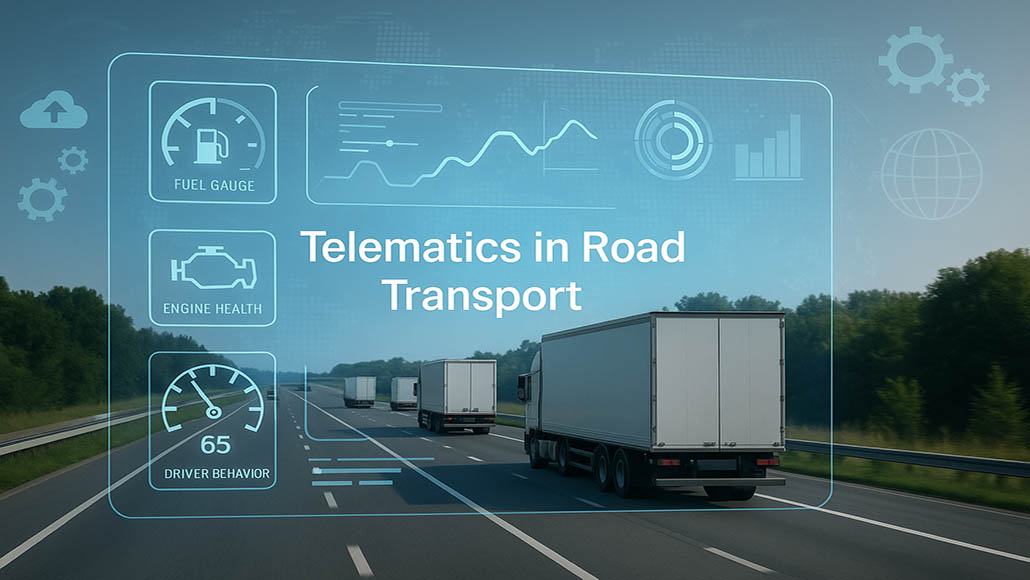
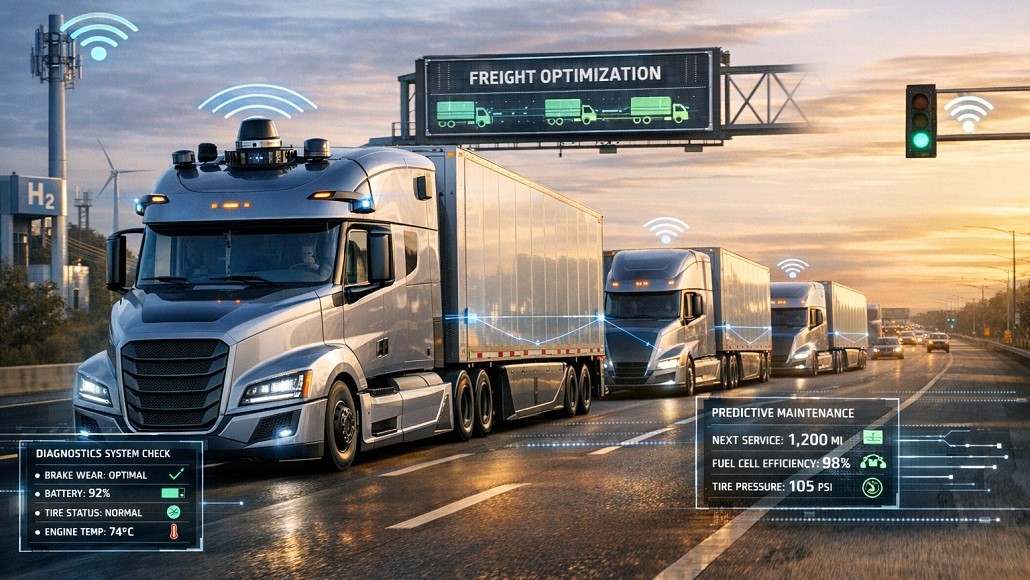
The integration of “Digital Twin” technology is another significant pillar of heavy duty truck innovation and future mobility. A digital twin is a virtual replica of a physical truck that is updated in real-time with data from the vehicle’s onboard sensors. This allows engineers and fleet managers to monitor the performance and health of the vehicle with a level of detail that was previously unimaginable. By simulating millions of miles of operation, the AI can predict when a specific component such as a turbocharger or a brake pad is likely to fail, allowing for proactive maintenance before a costly breakdown occurs.
This shift toward predictive asset management is a game-changer for fleet utilization. It allows for service to be scheduled during planned downtime, ensuring that the vehicle is always on the road when it is needed most. The data gathered from digital twins is also fed back into the design process, allowing manufacturers to create commercial vehicle technology that is more reliable, easier to maintain, and better suited to the specific demands of modern logistics. This continuous feedback loop is the hallmark of a truly intelligent and evolving transportation system.
Smart Mobility Solutions and the Connected Ecosystem
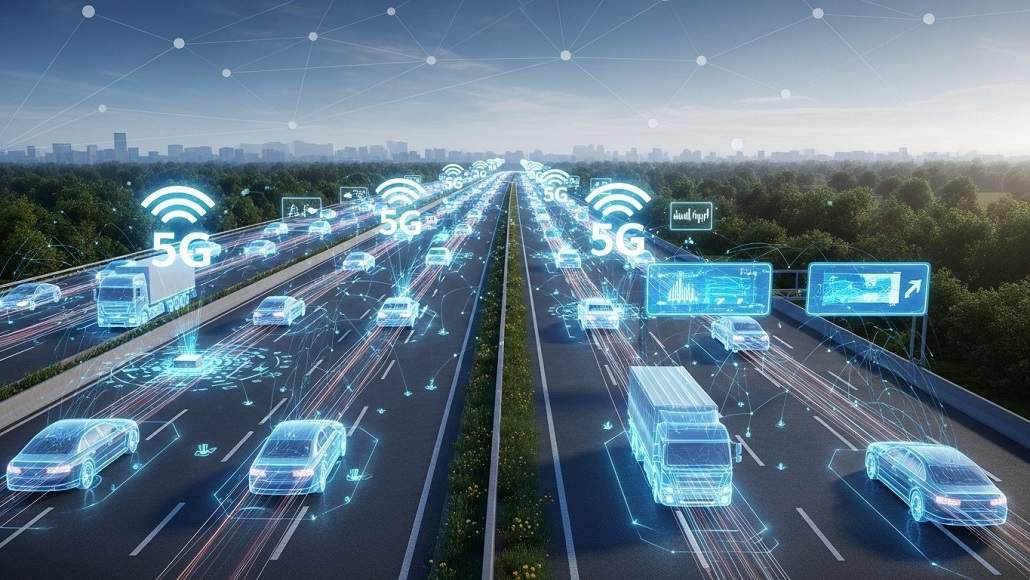
The future of the heavy truck is as a connected participant in a global, intelligent ecosystem. Through V2X (Vehicle-to-Everything) communication, the truck can interact with traffic signals, road infrastructure, and other vehicles to optimize its journey. For example, a truck can receive a signal from a traffic light that it is about to turn red, allowing the vehicle to coast to a stop rather than braking at the last second. This not only saves fuel but also reduces wear and tear on the vehicle’s components.
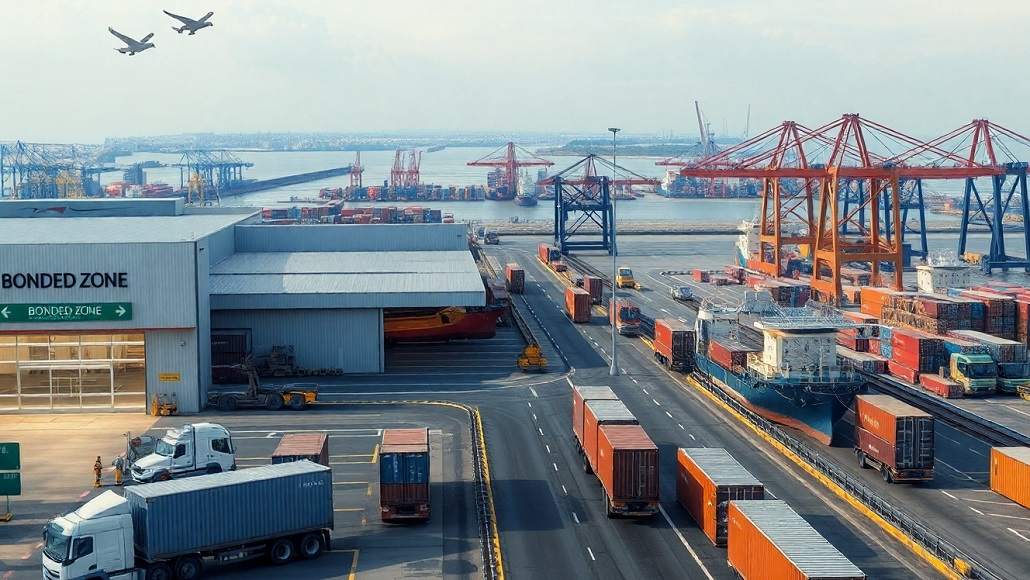
These smart mobility solutions also extend to the integration of the truck with the broader supply chain. Real-time data sharing with ports, warehouses, and customs agencies allows for a “frictionless” freight experience. Imagine a truck that automatically clears customs while still on the road, or a warehouse that prepares a loading bay because it knows exactly when the truck will arrive. This level of coordination is essential for creating the next generation freight systems of the future, where the vehicle is just one part of a highly efficient and automated digital process.
Human-Centric Innovation and the Future of Work
Despite the push for automation, the human element remains at the core of the heavy-duty sector. Innovation is also being used to improve the driver’s working environment and overall well-being. Modern truck cabs are being redesigned as high-tech living and working spaces, featuring ergonomic controls, digital mirrors with expanded fields of vision, and advanced noise and vibration insulation. These improvements are critical for attracting and retaining the next generation of professional drivers in a highly competitive labor market.
By providing drivers with the best possible tools including advanced driver assistance systems (ADAS) that reduce stress and improve safety manufacturers are ensuring that the human part of the system is as efficient and well-supported as the mechanical part. Human-centric heavy vehicle innovation recognizes that a motivated and well-trained workforce is the industry’s most valuable asset. The future of mobility is a collaborative effort between human intelligence and machine capability, resulting in a transport system that is safer, cleaner, and more rewarding for everyone involved.
