












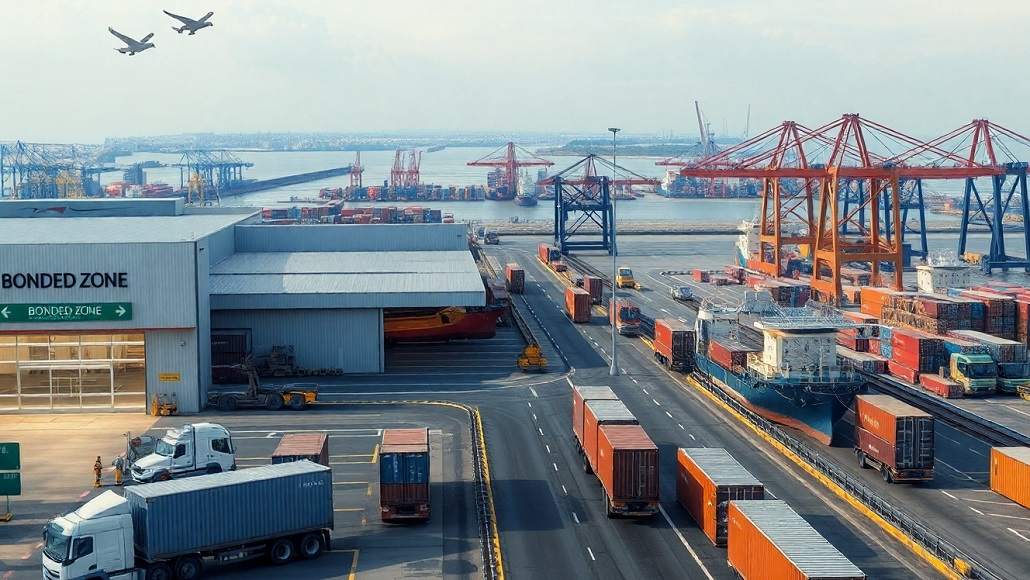


The transportation and logistics industry has always been a game of numbers, where success is measured in miles driven, fuel consumed, and minutes saved. For decades, fleet managers relied on experience, intuition, and relatively simple spreadsheets to keep their operations moving. However, as the global supply chain has become more complex and the volume of available data has exploded, these traditional methods have reached their limits. Today, the most successful operations are those that have embraced AI powered fleet management to navigate the complexities of the modern world. By leveraging artificial intelligence and machine learning, companies can now unlock deep transport data insights that were previously hidden in the noise of daily operations. This is the era of intelligent logistics, where data is the new fuel.
Artificial intelligence is not just another tool in the toolkit; it is a fundamental shift in how we approach the problems of transport. Where traditional software follows a set of pre-defined rules, AI has the capability to learn from data, identify patterns, and make predictions. This allows for a level of agility and precision that was previously impossible. From predicting when a vehicle is likely to break down to optimizing the exact sequence of a thousand deliveries, AI is transforming the logistics landscape into a highly efficient, automated ecosystem. The result is a more resilient supply chain that can adapt to disruptions in real-time, protecting both the bottom line and the customer experience.
The Core Components of AI Fleet Software
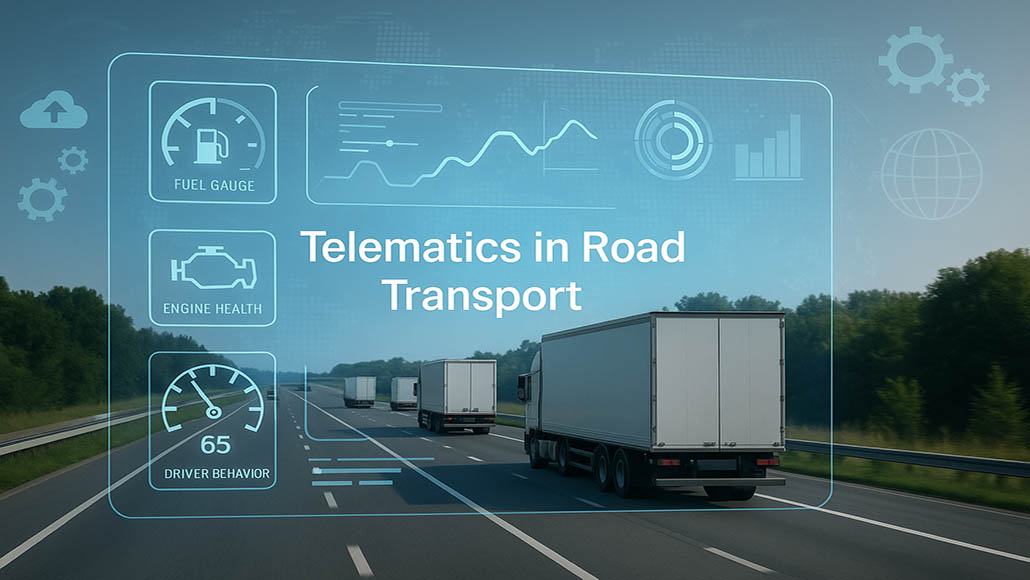
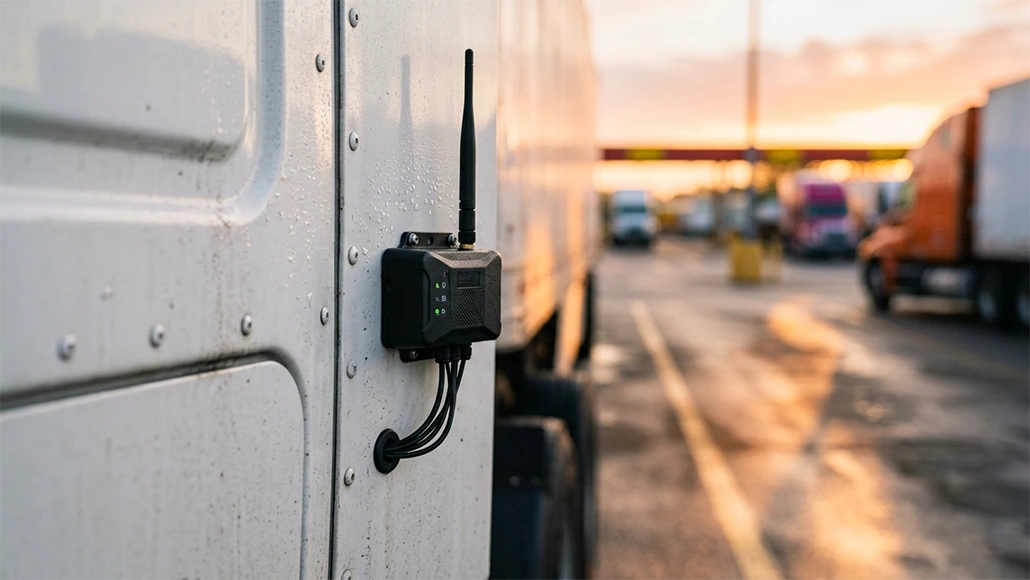
At the heart of an AI powered fleet management system is a sophisticated data processing engine. Every day, a modern fleet generates a massive amount of information GPS coordinates, engine diagnostics, fuel sensor readings, and even video feeds from onboard cameras. AI fleet software ingests this data in real-time and subjects it to advanced transport analytics. This is where the magic happens; the algorithms can correlate seemingly unrelated variables to find opportunities for improvement that a human manager would likely miss. For instance, the system might discover that a specific combination of route, payload, and weather condition leads to a higher rate of mechanical failure, allowing for proactive intervention.
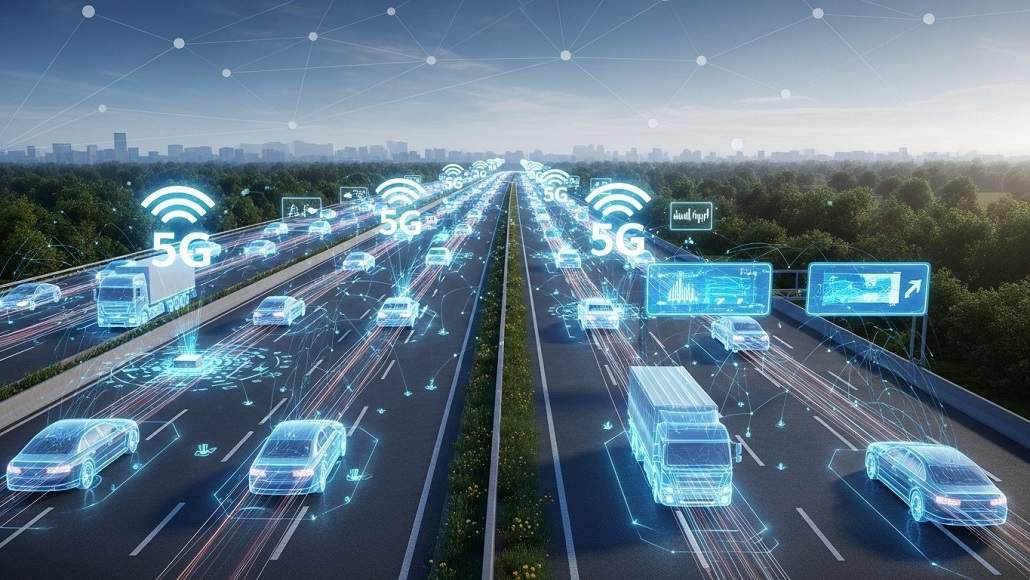
The transition to AI also involves the use of “Edge Computing,” where data is processed directly on the vehicle rather than being sent to a central server. This allows for near-instantaneous decision-making, which is critical for safety features and real-time route adjustments. By processing data at the source, the system also reduces the amount of bandwidth required for transmission, making the operation more efficient and cost-effective. This distributed intelligence is a hallmark of modern smart fleet operations, ensuring that the fleet is always “thinking” and “learning” regardless of its connection to the home office.
Revolutionizing Route Optimisation Technology
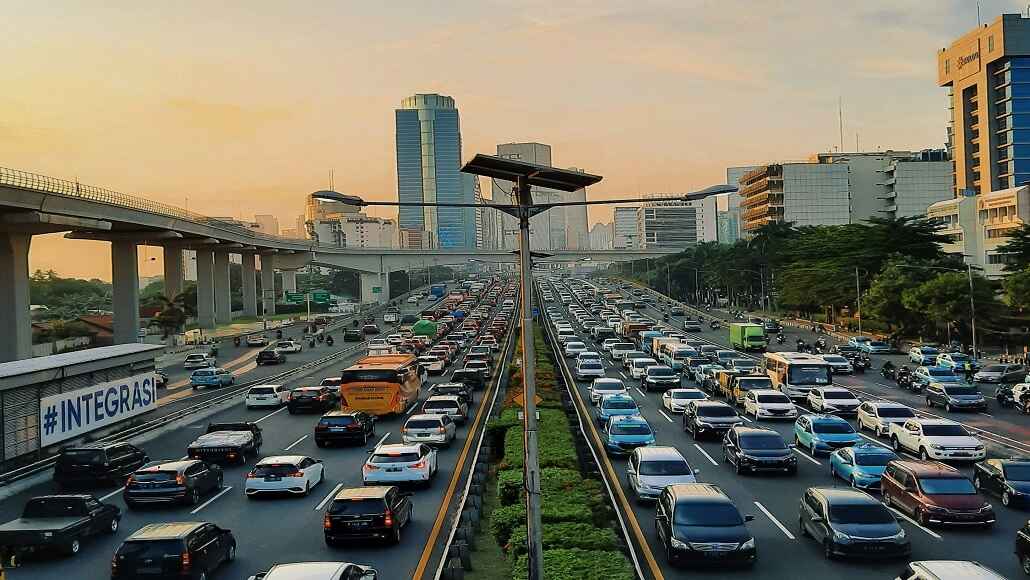
Perhaps the most visible impact of AI is in the realm of route optimisation technology. In the past, routing was a static process; a driver was given a list of stops and expected to figure out the best way to get there. Even early digital routing tools were limited by their inability to account for the dynamic nature of the road. AI powered fleet management changes this by integrating real-time data from a variety of sources, including live traffic feeds, weather reports, and even local event schedules. The AI doesn’t just find the shortest path; it finds the best path based on the specific goals of the operation.
Whether the priority is minimizing fuel consumption, meeting tight delivery windows, or reducing wear and tear on the vehicle, the algorithm can weight these factors and produce an optimized plan. Furthermore, the system can continuously re-optimize in real-time. If an accident occurs on a major highway, the system can instantly push new directions to all affected drivers, ensuring that the delay is minimized across the entire fleet. This level of logistics automation is essential for staying competitive in a market where “next-day delivery” has become the standard expectation. The ability to manage “dynamic routing” where stops can be added or removed mid-journey is a key differentiator for modern couriers and freight carriers.
Fuel Management and Environmental Impact
Fuel remains one of the largest operating expenses for any fleet, and it is also the primary driver of its carbon footprint. A robust fuel management system powered by AI provides a level of control that was once a pipe dream. By analyzing engine load, idling time, and driving styles, the AI can pinpoint exactly where fuel is being wasted. It can identify “ghost” idling where a truck is left running unnecessarily and even detect fuel theft by cross-referencing GPS data with fuel card transactions. These transport data insights allow managers to implement targeted interventions that can save millions of pounds across a large fleet.
Moreover, the impact of AI on fuel efficiency is directly linked to sustainability goals. Every gallon of fuel saved is a direct reduction in CO2 emissions. For companies looking to meet ambitious environmental targets, AI powered fleet management is one of the most cost-effective tools available. It allows them to achieve significant reductions in their carbon footprint through optimization and behavior change, often before they have even begun the transition to alternative fuel vehicles. This makes AI an essential component of any green logistics strategy, providing a measurable way to track and reduce environmental impact.
Enhancing Safety and Driver Performance
Safety is the highest priority for any transport operation, and AI is playing a critical role in reducing accidents and protecting drivers. Advanced AI-powered dashcams can now “see” the road and the driver simultaneously. They can detect signs of driver fatigue, such as frequent yawning or eyes closing, and provide an immediate alert to the driver. They can also identify risky behaviors like tailgating, distracted driving, or failing to stop at signals. This real-time feedback loop is an essential part of a modern safety culture, providing an immediate intervention when it is needed most.
Instead of using this technology solely for discipline, the most successful companies use it as a coaching tool. The transport analytics platform can aggregate these safety events and provide drivers with a personalized “safety score.” This gamification of safety encourages drivers to take pride in their performance and fosters a culture of continuous improvement. By identifying the highest-risk drivers and providing them with targeted training, fleet managers can significantly reduce the likelihood of a catastrophic accident. This not only saves lives but also protects the company from the massive legal and reputational costs associated with major road incidents.
Neural Networks and Predictive Maintenance
A deeper layer of AI powered fleet management involves the use of neural networks to predict maintenance needs. These systems are trained on millions of miles of historical data, allowing them to identify the subtle “fingerprints” of an impending mechanical failure. For example, the system might detect a slight change in the vibration pattern of a transmission or a minor fluctuation in engine temperature that would be imperceptible to a driver. By alerting the maintenance team to these issues early, the AI prevents small problems from becoming expensive breakdowns.
This transition from reactive to predictive maintenance is a game-changer for asset utilization. It allows for service to be scheduled during planned downtime, ensuring that the vehicle is always available when it is needed most. The transport data insights gained from these systems also help in procurement, as managers can see which vehicle models and components are the most reliable in their specific operating environment. This data-driven approach to asset management ensures that every pound spent on the fleet is maximized for performance and longevity.
The Future of Logistics Automation and Autonomy
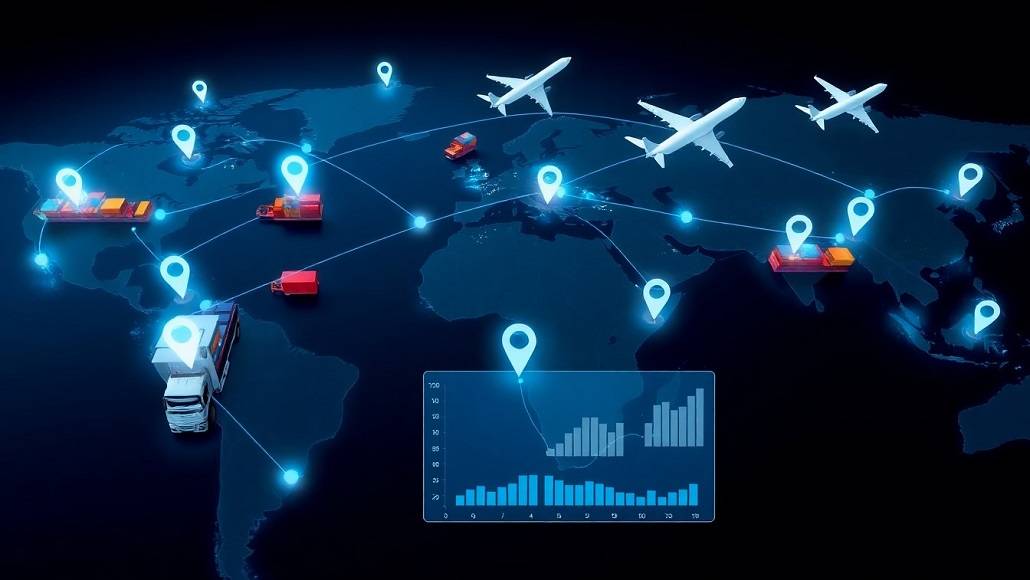
As we look toward the future, the role of AI in fleet management will only become more prominent. We are moving toward a world of “autonomous logistics,” where the entire process from order placement to final delivery is managed by an intelligent network. While fully autonomous trucks are still some years away from widespread adoption on public roads, the AI “brain” that will control them is being built and refined today in our current fleet management systems. The integration of AI with other emerging technologies, such as blockchain for secure documentation and IoT for cargo monitoring, will create a truly seamless and transparent supply chain.
The insights unlocked by AI powered fleet management are not just about improving current operations; they are about building the foundation for a new era of global commerce. Companies that fail to embrace these transport data insights risk being left behind in an increasingly digital and competitive world. The ability to turn raw data into actionable intelligence is no longer a luxury it is a core competency for any business that relies on the movement of goods. As the technology continues to evolve, the “smart fleet” will become the standard, driving a cleaner, safer, and more efficient future for the entire transport sector.
Key Takeaways
Transforming Data into Actionable Intelligence
The primary value of AI powered fleet management lies in its ability to process vast quantities of raw data and transform it into clear, actionable insights. By using advanced transport analytics and neural networks, fleet managers can move beyond basic tracking to a proactive model where potential issues in fuel efficiency, maintenance, and safety are identified and addressed before they impact the bottom line. This data-driven approach ensures maximum asset utilization and minimizes the risks associated with manual management.
Efficiency through Dynamic Optimization
AI-driven route optimisation technology represents a quantum leap over traditional methods by accounting for real-time variables like traffic, weather, and specific delivery constraints. This level of logistics automation not only reduces operating costs and fuel consumption but also ensures a more resilient and responsive service. As the industry moves toward autonomous logistics, the AI systems being deployed today will serve as the foundation for the intelligent, self-optimizing supply chains of the future.
