
















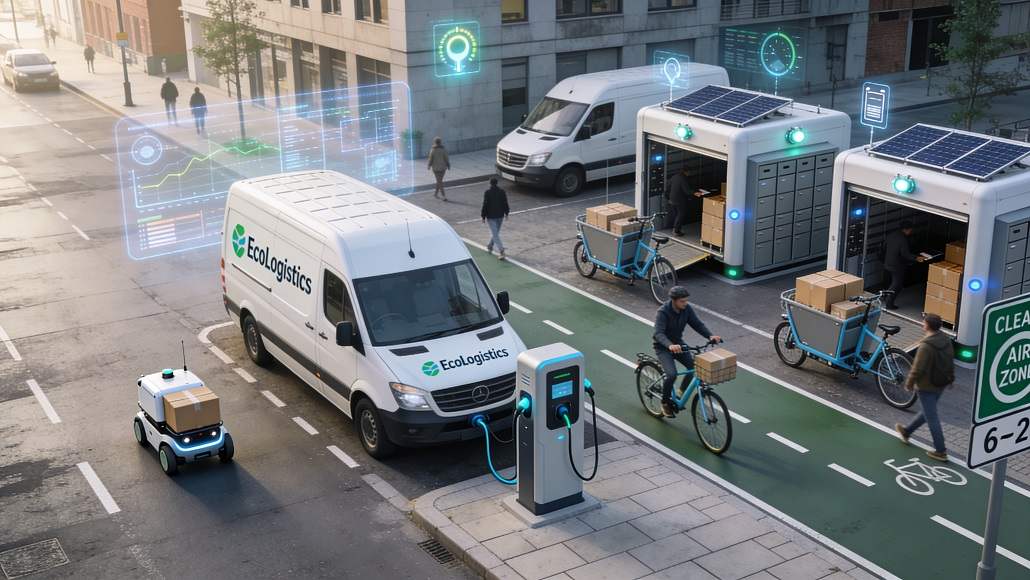
The rapid expansion of the digital economy has brought the complexities of the “final mile” to the forefront of the global logistics conversation. As consumers increasingly prioritize speed and convenience, the pressure on city infrastructure has reached an unprecedented level. Navigating this landscape requires a deep understanding of how last mile delivery vehicles and urban logistics function within the constraints of modern metropolitan environments. This sector is no longer just about moving a package from a local depot to a doorstep; it is about managing a highly complex ecosystem of energy, data, and physical space. The transition from heavy, diesel-dependent fleets to a diverse array of agile, zero-emission solutions is the defining characteristic of this new era.
The historical model of urban freight transport, which relied on large, consolidated shipments and medium-to-large diesel vans, is rapidly becoming obsolete. Cities are fighting back against air pollution and congestion by implementing stringent Clean Air Zones and restricted access times. For logistics providers, this means that the “business as usual” approach is a direct path to obsolescence. To remain competitive, companies are forced to rethink the very architecture of their delivery networks, moving toward a more decentralized and flexible model that can adapt to the ever-changing pulse of the city.
The Strategic Shift to Electric Delivery Vans
The cornerstone of the modern urban fleet is the transition to electrification. Electric delivery vans have moved from being experimental novelties to the primary workhorses of the e-commerce distribution sector. The advantages are clear: zero tailpipe emissions, significantly lower operating costs, and the ability to operate silently during nighttime or early morning hours. This silent operation is a critical factor in urban markets, as it allows logistics providers to circumvent traditional noise-restricted delivery windows, effectively spreading the load across a 24-hour cycle and reducing peak-hour congestion.
However, the shift to electric vehicles is not without its hurdles. Infrastructure remains the primary bottleneck. A fleet of fifty electric vans requires a massive amount of power, often exceeding the existing capacity of older urban depots. Fleet managers must now become experts in grid management, negotiating with utility providers for increased capacity and investing in smart charging systems that can balance the load. The most successful operators are those who view their fleet not just as a collection of vehicles, but as a mobile energy storage system that can be optimized for both cost and efficiency.
E-Cargo Bikes and Hyper-Local Distribution
While electric vans handle the bulk of urban freight transport, a new player has emerged for hyper-congested city centers: the e-cargo bike. In many European and Asian metropolitan areas, these agile vehicles are outperforming traditional vans in terms of delivery speed and reliability. By utilizing cycle lanes and bypassing traffic gridlock, e-cargo bikes can maintain a higher frequency of drops per hour. They also require significantly less space for parking, reducing the friction between logistics operations and other road users.
The integration of cargo bikes necessitates a move toward micro-fulfillment hubs. These are small, strategically located staging areas within neighborhoods where larger vehicles drop off consolidated loads for final distribution by bike or walking couriers. This “hub-and-spoke” model at the micro-level represents the future of sustainable delivery vehicles. It allows for a human-scale approach to logistics that is far more compatible with the “livable city” movement, reducing the physical and environmental footprint of e-commerce while maintaining the high-speed service that customers expect.
Smart City Mobility and Integrated Data Streams
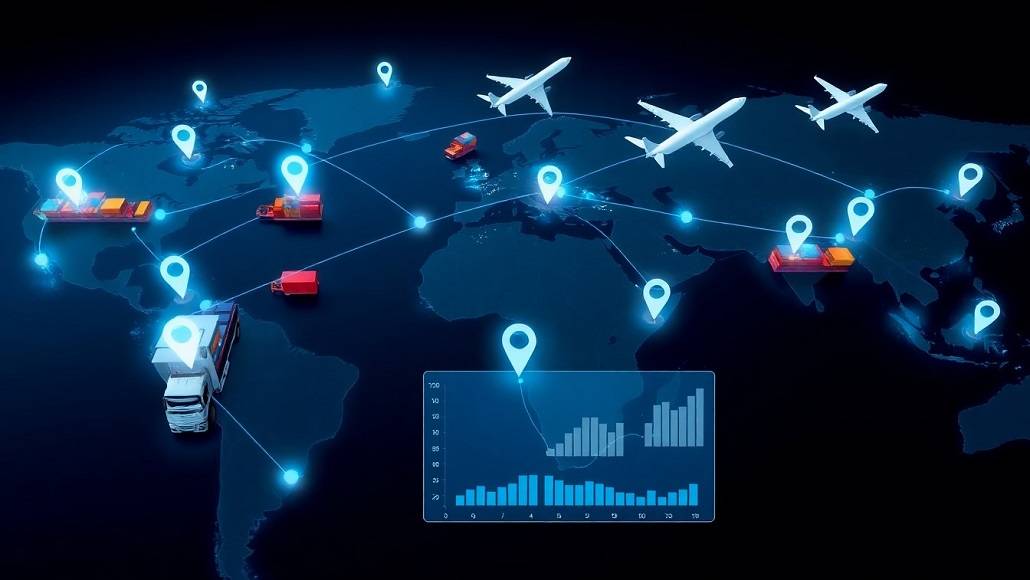
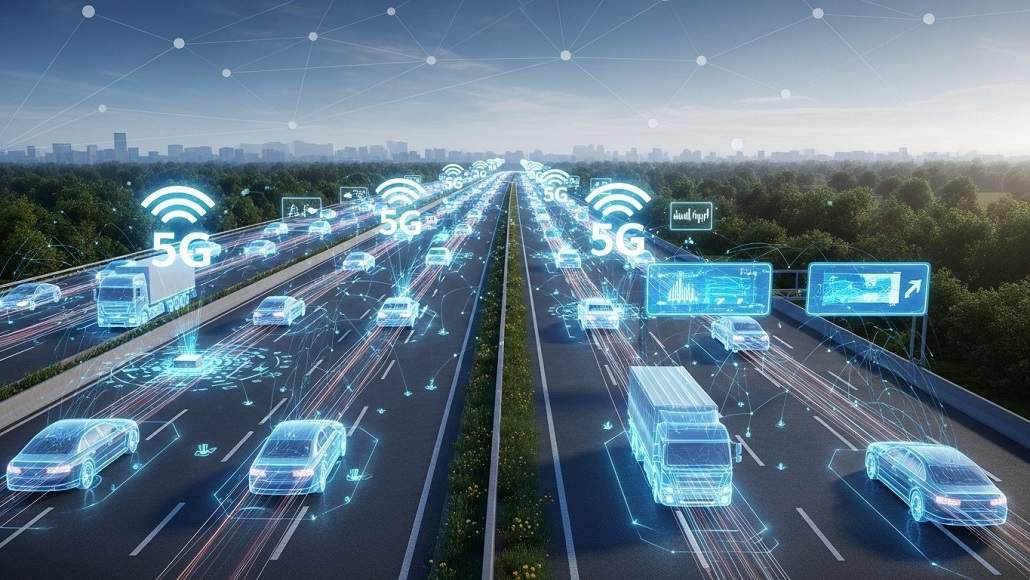
The physical movement of last mile delivery vehicles and urban logistics is governed by a digital layer of smart city mobility. We are entering an era where the city itself becomes an active participant in the logistics process. Through the use of IoT sensors and connected infrastructure, cities can provide real-time data on curb availability, traffic conditions, and air quality. Logistics platforms can ingest this data to dynamically reroute vehicles, avoiding congestion hotspots and ensuring that deliveries are made in the most efficient manner possible.
This level of integration also facilitates “collaborative logistics,” where competing providers share data and resources to reduce the number of empty or half-full vehicles on the road. For instance, common-user parcel lockers and shared consolidation centers are becoming more prevalent. By reducing the number of individual vehicle trips required to service a neighborhood, the industry can significantly lower its overall carbon footprint and improve the quality of life for urban residents. This digital synergy is the “glue” that holds the modern urban logistics network together.
Navigating the Challenges of Urban Freight Transport
Despite the technological advancements, the challenges of urban logistics remain significant. The cost of real estate in urban centers makes the development of micro-fulfillment hubs prohibitively expensive for many smaller operators. Furthermore, the regulatory landscape is fragmented, with different cities implementing varying rules regarding vehicle size, emissions, and access times. Navigating this “regulatory patchwork” requires a high degree of administrative agility and a proactive approach to government relations.
The “human factor” also remains a critical component. As the gig economy comes under increasing scrutiny, the industry is moving toward more professionalized and stable employment models. Well-trained couriers who understand the nuances of urban navigation and customer interaction are essential for maintaining the integrity of the brand. Providing these workers with the right tools from ergonomically designed vehicles to intuitive mobile apps is a key investment in the long-term sustainability of the operation.
The Future of Autonomous and Robotic Delivery
Looking toward the horizon, the role of autonomous and robotic technology in last mile delivery vehicles and urban logistics is set to expand. We are already seeing trials of sidewalk delivery robots and autonomous pods that can navigate urban environments without a human driver. While these technologies face significant regulatory and social hurdles, their potential to further reduce the cost and impact of the final mile is undeniable.
The success of these autonomous solutions will depend on their ability to interact safely with pedestrians and other road users. It will also require a new level of urban design, where the “curb-side” is managed as a dynamic and valuable resource. As we continue to refine these technologies, they will likely become a common sight in our cities, working alongside electric vans and cargo bikes to create a truly multi-modal and resilient urban logistics network. The ultimate goal is a system that is invisible but indispensable, supporting the needs of a modern society without compromising the urban environment.
