









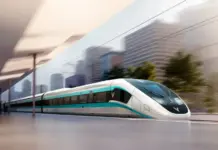






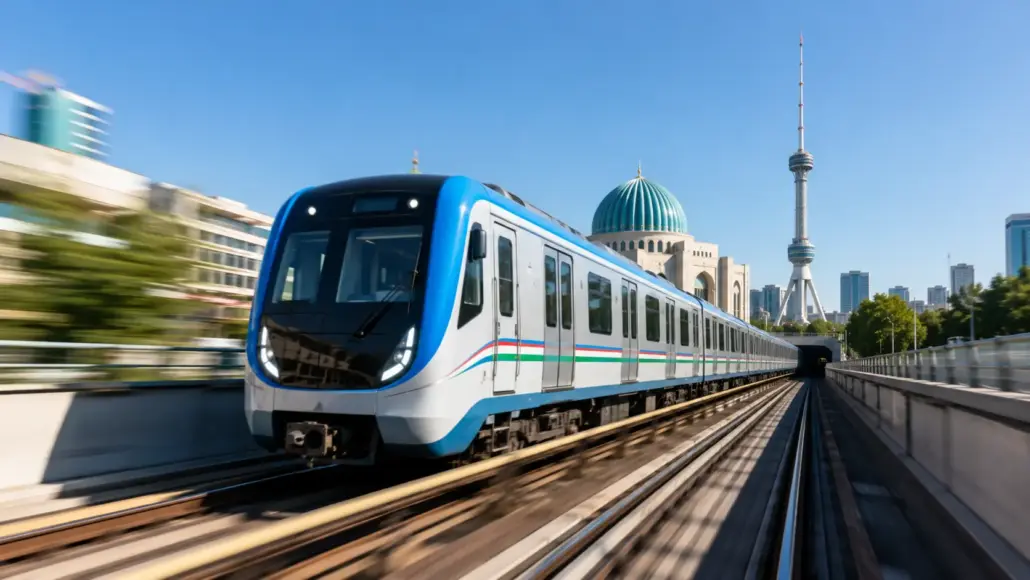
Uzbekistan’s President Shavkat Mirziyoyev has officially sanctioned a forward-looking plan designed to significantly enhance the Tashkent Metro’s operational efficiency, passenger service quality, and overall infrastructure utilization. This strategic initiative addresses the escalating demands of a growing capital city, aiming to transform the metro into a cornerstone of Uzbekistan’s public transport network.
The current urban expansion and increasing population within Tashkent necessitate a substantial upgrade to the existing metro system. The approved vision for the Tashkent metro expansion sets ambitious targets, including a daily passenger traffic surge to 1.8 million individuals by the year 2030. To accommodate this projected growth, the network is slated for expansion to encompass 79 stations, with a total track length reaching 103 kilometers. Furthermore, a key objective involves reducing train intervals to a more efficient 1.5 to 3 minutes.
As part of the Tashkent metro expansion efforts, the period between 2026 and 2028 will see critical upgrades to the technical infrastructure and civil defense facilities. A paramount focus is placed on passenger safety, with a pilot project proposing the installation of glass platform screen doors at the “Shakhristan” station. This measure, aligned with international best practices, is anticipated to reduce accidents by an impressive 80-90% and also offers new avenues for advertising revenue.
The development of new metro lines remains a central priority. Preparatory work is currently underway for the feasibility and design documentation of the “Mingurik – Chilanzar market” route. The potential for a phased development of the “Mingurik – South Station” line, with a subsequent extension to the Chilanzar market, is also under active consideration as part of the broader Uzbekistan public transport strategy.
The renewal of rolling stock and the construction of new electric depots are also integral to the Tashkent metro expansion initiative. Between 2027 and 2030, decisions are scheduled regarding the procurement of new trains and the allocation of land for essential supporting infrastructure. A comprehensive development strategy for the Tashkent Metro, spanning from 2027 to 2035, was presented, envisioning a doubling of the network’s size, a 2.5-fold increase in passenger traffic, and the establishment of an environmentally sustainable and energy-efficient transport system that prioritizes enhanced comfort and safety standards.
Discussions also encompassed reforms to the tariff policy, drawing inspiration from international models such as distance-based fares, subscription options, and discounted rates for specific passenger groups.
President Mirziyoyev underscored the critical role of the metro as a vital component of transport infrastructure in a major metropolis. He emphasized the necessity of cohesive advancements in service quality, safety protocols, financial viability, and management systems. Following the presentation, the proposed plans received full approval, and relevant government bodies have been directed to commence their implementation.
