










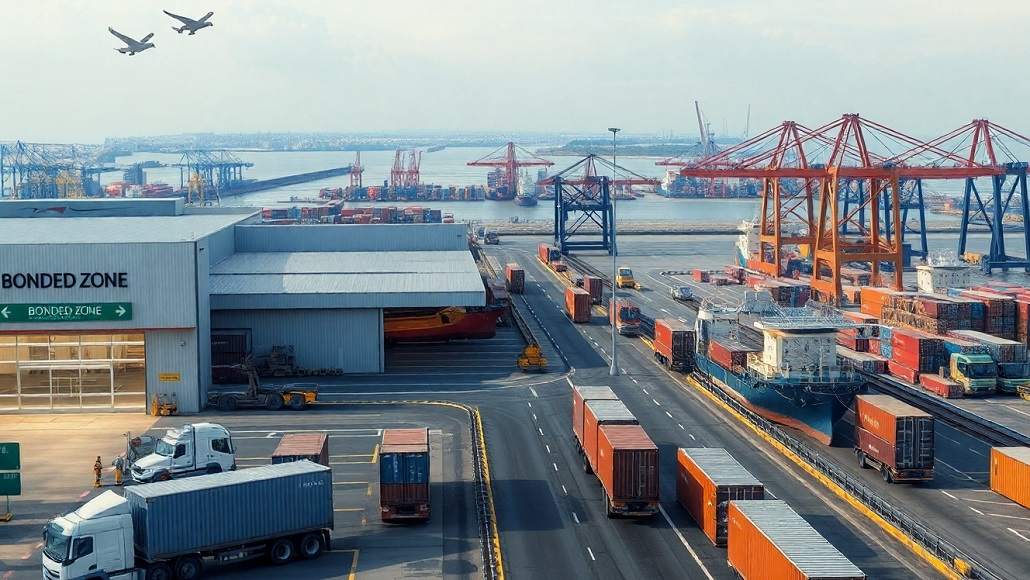

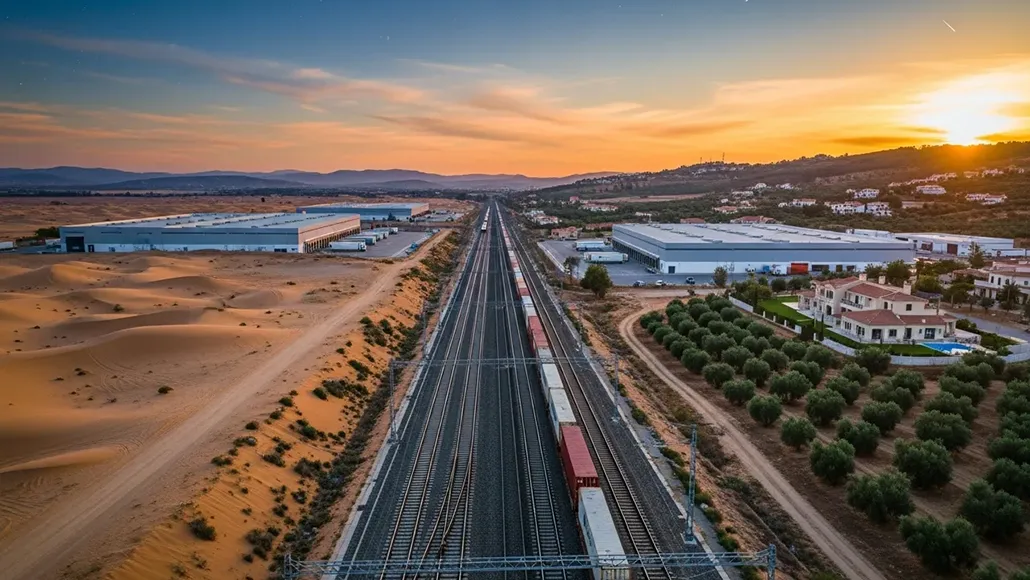
In a recent development, transport ministers all throughout the Islamic world went on to meet in Turkey’s Istanbul for the first time in almost four decades, working towards a groundwork for a network of rail as well as highway corridors that looks pretty ambitious, stretching right from the Persian Gulf to Europe and throughout the African continent.
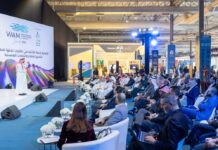
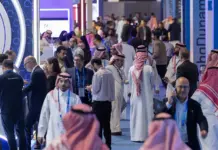
Chaired by Abdulkadir Uraloglu, the Turkish Transport Minister, the second Conference of Transport and Communications Ministers of the Organisation of Islamic Cooperation brought together OIC member state officials for two days of talks pertaining to regional connectivity, humanitarian logistics, and supply chain resilience. President Recep Tayyip Erdogan addressed the gathering through a video message.
It is worth noting that the conference came 38 years after the inaugural transport ministers meeting of the OIC, which, by the way, was also held in Istanbul, way back in September 1987.
Syria, Saudi Arabia, and Türkiye delve into a four-nation rail link
Notably, on the sidelines of the transport ministers meeting of the OIC, Yarub Badr, the Syrian Transport Minister, held separate bilateral meetings along with his Saudi and Turkish counterparts, discussing plans in relation to a proposed railway that would connect Türkiye, Syria, Jordan as well as Saudi Arabia.
In his conversation with Saleh bin Nasser Al-Jasser, the Saudi Transport Minister, Badr discussed making the cooperation in terms of land transport stronger with prospects for integrating railways along with highway networks so as to help with the movement of goods between Europe as well as the Gulf. Both sides agreed to conduct a technical meeting of Saudi transport officials in March 2026 in order to continue the discussions.
Apparently, Al-Jasser also went ahead and welcomed the decision by Syria to reopen its airspace to Saudi aircraft, thereby calling it a positive step as to achieve stronger bilateral ties.
In his meeting with Uraloglu, Badr talked about regional transport coordination, with both sides stressing the need for a transparent and crystal-clear roadmap that goes on to set out technical standards and timelines along with certain execution mechanisms when it comes to the proposed four-nation rail link.
Türkiye positions itself as the center for global trade routes
Interestingly, Uraloglu went ahead and used the conference platform to present Türkiye as an unmatched node when it comes to global logistics networks. He emphasized over $355 billion in transport and communications investments that have been made over the last 23 years and also described the country as being a geostrategic island of trust whose diplomatic stature and crisis-management strength have upgraded it beyond only the geographic position.
Uraloglu told the delegates that “Transport stands out as one of the fundamental pillars not only of economic development but also of humanitarian solidarity and comprehensive resilience against crises.”
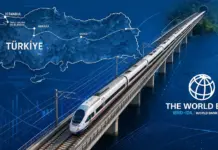
He also underscored the two flagship corridor initiatives, namely, the Middle Corridor, which runs between Asia and Europe and was presented as one of the shortest and safest as well as the most cost-effective routes that is available today. The Development Road Project, on the other hand, looks forward to establishing a new east-west and north-south connection that would run from the Persian Gulf through Türkiye to Europe by way of uninterrupted road and rail links, with the intent of slashing transit times and also costs.
Uraloglu went on to frame all these projects in cooperative and not competitive terms, debating that corridor diversification is going to be advantageous to the entire OIC geography through deepening its integration when it comes to the global trading system.
