


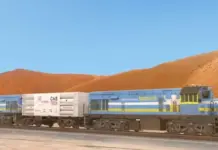










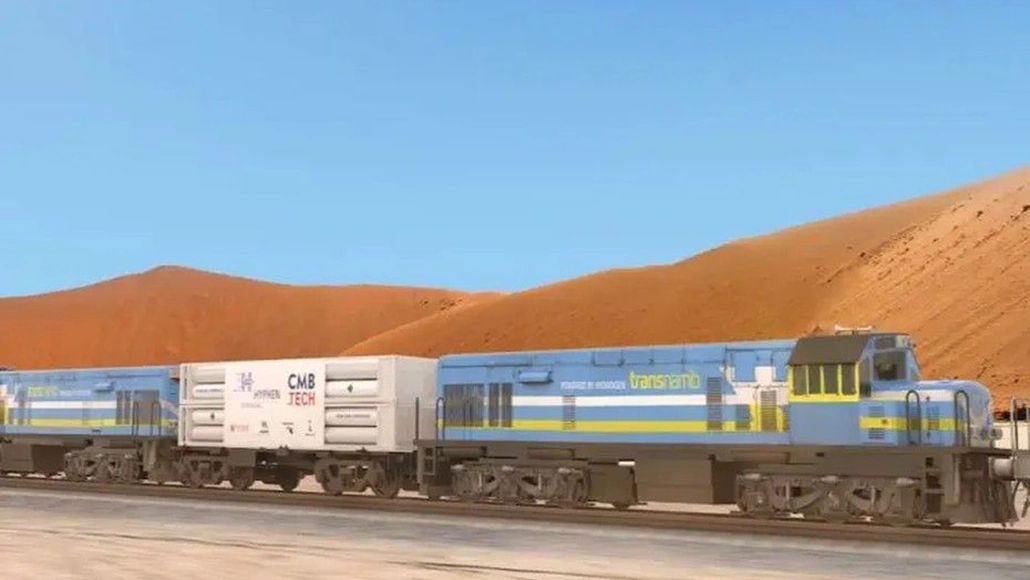
Namibia is preparing to introduce its first green Hydrogen-fueled freight train, with the heavy-duty locomotive scheduled for launch by late 2026. The initiative is being led by CMB.TECH Namibia in collaboration with TransNamib Holdings Limited and Africa Global Logistics. Assembly of the locomotive is currently underway at the facilities of Traxtion, a South African rail engineering and refurbishment specialist. Once completed, the hydrogen-fueled freight train will represent a major step in Namibia’s efforts to explore alternative energy solutions for freight transport while maintaining operational reliability on key logistics corridors.
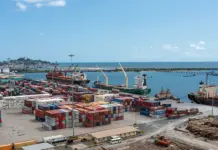
During its initial trial phase, the hydrogen-fueled freight train will operate along the Walvis Bay–Windhoek freight corridor. The locomotive is expected to undertake 50 return trips between the Port of Walvis Bay and the container depot located near Windhoek. This route stretches across 414 kilometres and features a dramatic elevation change, rising from 6 metres above sea level at the coastal port to 1,601 metres in the Namibian highlands. According to CMB.TECH, the steep gradient along this corridor presents a practical environment for evaluating traction capability, fuel substitution efficiency and system reliability under sustained load conditions. The trial will therefore serve as a comprehensive operational test for the new technology.
Green hydrogen used to power the locomotive will be generated off-grid at CMB.TECH Namibia’s hydrogen plant in Walvis Bay. At the core of the system is a 2,250-horsepower BeHydro dual-fuel hydrogen combustion engine, created through a joint venture between CMB.TECH and Anglo Belgian Corporation. This engine is capable of running on both diesel and green hydrogen, allowing operators to achieve immediate emission reductions while preserving flexibility in fuel usage. Hydrogen storage will be handled through a dedicated fuel tender located directly behind the locomotive. The tender will carry two 20-foot storage units, each capable of holding up to 360 kilograms of compressed hydrogen.
Operational design for Namibia’s first hydrogen-fueled freight train includes a refuelling system that enables hydrogen to be supplied through a mobile unit while the storage module remains attached to the tender. Alternatively, the storage containers can be rapidly swapped to limit downtime and maintain efficient service schedules. The locomotive remains fully operational under all circumstances. If the hydrogen supply system becomes unavailable, the engine automatically switches to diesel, ensuring uninterrupted freight operations. The project aligns with TransNamib’s broader exploration of fleet modernisation strategies, including the potential repowering of existing locomotives using dual-fuel hydrogen technology. By converting an operational locomotive rather than investing in entirely new rolling stock, the initiative demonstrates how hydrogen propulsion could be introduced into freight rail systems without requiring extensive infrastructure changes.
