














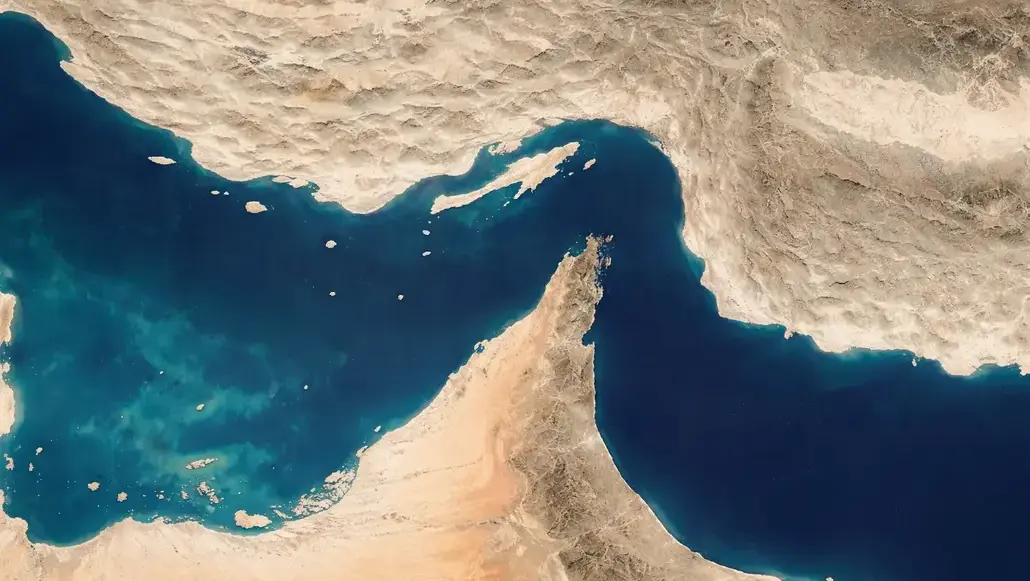
Iran has taken a decisive legislative step to consolidate control over a critical maritime chokepoint, with its parliament approving a bill on 31st March 2026 to formalise the introduction of a Strait of Hormuz shipping toll. The proposed framework, which still requires the consent of other countries bordering the strait, sets out to impose charges on vessels transporting shipping cargo, energy supplies, and food consignments through the waterway. Early indications suggest that the mechanism is already being tested in practice. According to Lloyd’s, at least two vessels have paid fees to Iranian authorities, with transactions settled in Chinese yuan. In one instance, “transit was brokered by a Chinese maritime services company acting as an intermediary, which also handled the payment to Iranian authorities,” according to Lloyd’s, though further details regarding the amount and payment structure remain unclear. The development underscores how the Strait of Hormuz shipping toll is being embedded into operational realities even before full regional agreement is secured.
The policy shift comes amid an intensifying geopolitical backdrop, as the conflict enters its fifth week and diplomatic signals remain mixed. Washington and Tehran have issued contrasting statements on the status of engagement. Trump remarked on 31st March 2026 that U.S. military forces could withdraw from Iran within “two or three weeks,” suggesting a conclusion to hostilities. However, Iranian Foreign Minister Abbas Araghchi acknowledged that communications had taken place while stressing they did not amount to “negotiations.” Within this uncertain environment, the implementation of the Strait of Hormuz shipping toll forms part of a broader strategy to exercise both financial and logistical authority over maritime movements through the strait.
Operational control has become increasingly structured under the oversight of the Islamic Revolutionary Guard Corps (IRGC). Data from Lloyd’s List Intelligence indicates that vessel operators are required to liaise with IRGC-linked intermediaries before transit, submitting detailed documentation such as the ship’s International Maritime Organization number, crew lists, and final destination. Following a screening process, vessels receive clearance codes along with specific routing instructions. Once within Iranian waters, IRGC commanders make contact via marine radio channels to verify the clearance code. Approved ships are then escorted by Iranian vessels through designated corridors near Larak Island, while those failing to meet requirements are turned away. This tightly managed system integrates the Strait of Hormuz shipping toll into a broader framework governing access and passage.
Shipping flows through the strait have been sharply curtailed since the onset of the conflict on 28th February 2026, with overall traffic declining by 90%. Iran has simultaneously established a controlled transit corridor north of Larak Island, effectively reshaping maritime routes while maintaining oversight of vessel movements. Located near Bandar Abbas, this corridor has become the primary pathway for ships navigating the strait. Since 13th March 2026, all 57 recorded transits have followed the Larak route, with minimal use of traditional channels, according to Lloyd’s. Reports from Windward indicate that vessels have been queuing north of Larak Island awaiting clearance, with several ships turned back in recent days.
Determining vessel ownership remains complex due to layered registration structures involving flag states, registered owners, and multinational crews. Nonetheless, available data shows that most transits have involved Iranian, Greek, and Chinese-linked vessels, with a smaller number connected to Pakistan and India, according to Diakun. Governments including India, Pakistan, Iraq, Malaysia and China have engaged directly with Tehran to coordinate access through the IRGC’s vetting system. Notably, two ultra-large containerships associated with Cosco Shipping successfully completed the Larak route earlier this week after an initial refusal, marking the first confirmed passage by a major Chinese container carrier since the conflict began, according to Kpler. A spokesperson for China’s foreign ministry confirmed that three Chinese ships had recently transited the strait with “the facilitation and coordination of relevant sides.”
India has also secured passage for its vessels through diplomatic channels. Reports indicate that Indian tankers have been allowed to transit without payment or prior approval, with New Delhi highlighting direct engagement with Tehran as a key mechanism for restoring shipping flows. Meanwhile, Southeast Asian nations such as Malaysia and Thailand have reportedly obtained assurances from Iran for safe passage following diplomatic intervention. As these arrangements evolve, the Strait of Hormuz shipping toll continues to redefine maritime operations across one of the world’s most vital energy corridors.
