


















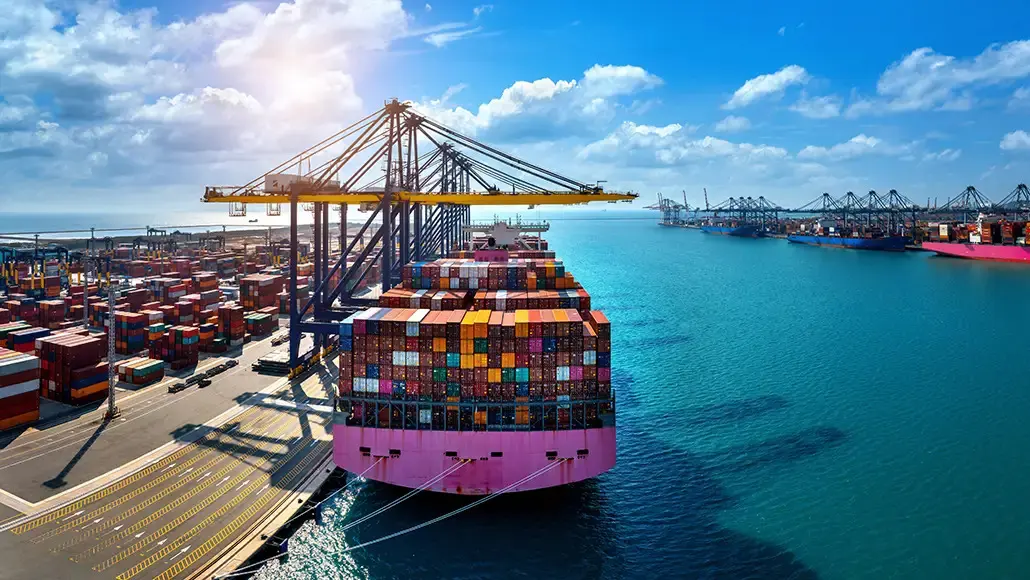
The European Commission adopted the EU Ports Strategy on 4th March 2026 in a bid to ramp up the competitiveness, resilience, security and sustainability of Europe’s ports.The application of this strategy will be overseen by a high-level Maritime Industries and Ports Board chaired by the responsible Commissioner and EVPs.
Ports remain central to the EU economy, accounting for around 74% of external trade, moving 3.4 billion tonnes of goods and nearly 395 million passengers each year, and sustaining more than 423,000 direct jobs. As vital gateways, they reinforce Europe’s trade flows, security framework and clean energy transition, while fostering growth, quality employment and territorial cohesion across islands, coastal, arctic and outermost regions. Against this backdrop, the EU Ports Strategy positions ports as increasingly complex industrial hubs that must simultaneously expand capacity, decarbonise operations, digitalise systems and strengthen security on a large scale. By reinforcing these foundations, the EU Ports Strategy aims to safeguard strategic autonomy, secure critical supply chains and maintain global leadership in waterborne transport, all while advancing the EU’s objective of climate neutrality by 2050.
To address mounting challenges, the EU Ports Strategy outlines five priority areas. On competitiveness, innovation and digitalisation, the Commission will establish criteria and guiding principles for EU funding and investments in third-country ports to ensure greater coherence. It will also issue criteria and guidance on foreign ownership and control, particularly concerning ports deemed strategic dual-use infrastructure. Innovation and the deployment of advanced technologies are set to underpin both the digital and green transformation. In parallel, efforts to advance energy transition, sustainability and clean industries will include faster permit-granting and streamlined assessments for strategic energy and environmental port projects. The forthcoming Electrification Action Plan will facilitate port electrification, grid access and clean energy deployment, while partnerships in and around port areas will be promoted to support sustainable energy use, including hydrogen.
Security and resilience form another pillar of the EU Ports Strategy. The Commission plans to update existing guidance to address emerging threats and strengthen port security standards globally. Building on the European Ports Alliance public-private partnership, frameworks for third-country port assessments and background checks for port workers will be introduced to combat drug trafficking, alongside improved alignment of customs controls and reinforced international security protocols. A dedicated forum will bring together Member States’ cybersecurity and port authorities, complemented by an EU-wide security risk assessment to pinpoint vulnerabilities. Financial backing will rely on instruments such as the Connecting Europe Facility, Cohesion Policy funds and InvestEU, with clearer funding principles and advisory support, particularly for small and medium-sized ports. Finally, through initiatives under the Blue Generational Renewal Strategy and a new Pact for Skills, the Commission will promote upskilling, reskilling and inclusion, while preparing guidance on maritime safety legislation and the safe handling of alternative fuels.
