















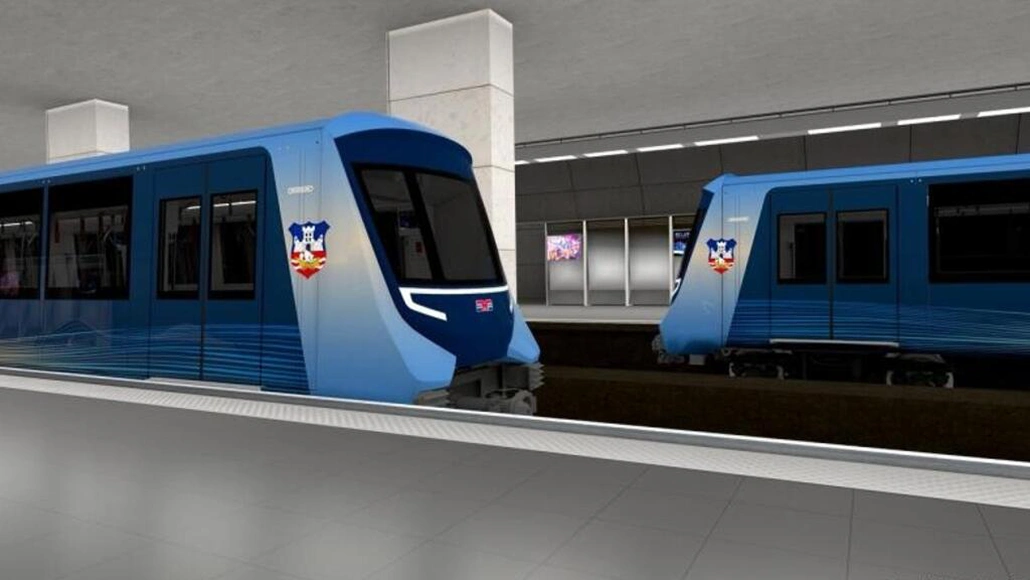
Belgrade is set to undergo a major transformation in its urban transport network with the rollout of its first automated metro, following the award of a €915 million turnkey contract for Metro Line 1. Under the contract, Alstom will deliver the driverless metro system. The project will introduce Serbia’s first automated metro, marking a significant shift in how the capital manages mobility and urban growth. In its initial phase, the line will connect Makiško Polje to Karaburma, directly addressing long-standing congestion challenges while strengthening Belgrade’s standing as a modern European capital. By moving a substantial share of daily transit below ground, the first automated metro is expected to reshape commuting patterns and unlock new opportunities for accessibility and economic activity across the city.
Running through the heart of Belgrade, the first phase of Metro Line 1 will extend across 15 km and include 15 stations, with 11 km of tunnels forming the backbone of the route. This underground network represents a structural upgrade to the city’s infrastructure, designed to ease pressure on overburdened surface transport systems. The first automated metro will not only streamline travel across key urban corridors but also contribute to a more efficient and functional metropolitan environment. By improving connectivity and reducing travel times, the system is expected to enhance Belgrade’s attractiveness for both residents and international investors, supporting its evolution into a more competitive European capital.
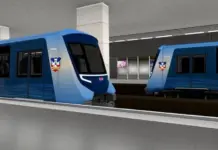
The project is being delivered for the public utility company, Belgrade Metro & Train, with a comprehensive system covering all aspects of metro operations. This includes 32 Metropolis driverless three-car trains, as well as signaling, telecommunications, power supply, trackwork, platform screen doors, depot equipment, a centralized control center, and cybersecurity systems. The network will be powered by advanced Urbalis CBTC technology, ensuring fully automated, high-capacity, and reliable service. Designed for efficiency, the system will enable operations with headways of up to 90 seconds, supported by an integrated control center that enhances both safety and operational resilience.
Backed by French government funding support, the project reflects ongoing cooperation between France and Serbia and has now entered the design phase for Metro Line 1. The introduction of the first automated metro will bring tangible improvements, including higher passenger capacity, increased service frequency, and enhanced safety standards. As Belgrade prepares for this next phase in its urban development, the metro system stands as a cornerstone of the city’s long-term strategy to modernize infrastructure and deliver sustainable, high-performance public transport.
