









The growth of a commercial transport business is inextricably linked to its ability to acquire and maintain a modern, efficient, and compliant fleet of vehicles. In an era of rapid technological change and shifting environmental regulations, the traditional model of outright vehicle ownership is increasingly being challenged. For many operators, Commercial Fleet Expansion by Leasing and Finance has become the primary mechanism for scaling operations without compromising financial liquidity. This strategic approach to capital management allows businesses to access the latest vehicle technology including electric and alternative fuel trucks while spreading the cost over the asset’s useful life.
The decision of how to fund fleet growth is one of the most significant strategic choices a logistics company can make. It impacts everything from the balance sheet and tax position to the company’s ability to respond to new market opportunities. As the industry moves toward a more sustainable and technologically advanced future, the role of specialized fleet leasing solutions and truck finance options has become more critical than ever. By leveraging the right financial tools, companies can de-risk their transition to new technologies and ensure that their fleet remains a competitive advantage rather than a financial burden.
The Strategic Advantages of Fleet Leasing Solutions
For many businesses, leasing is the preferred route for rapid expansion. Unlike a traditional purchase, which requires a significant upfront capital outlay, leasing allows a company to preserve its cash for other core business activities, such as infrastructure development or staff recruitment. Fleet leasing solutions also provide a high degree of predictability, with fixed monthly payments that simplify budgeting and cash flow management. This “OPEX” (Operating Expenditure) model is often more attractive to investors and lenders than a “CAPEX” (Capital Expenditure) heavy model, as it demonstrates a more agile and risk-managed approach to asset acquisition.
Furthermore, leasing provides a built-in mechanism for fleet renewal. At the end of the lease term, the operator can simply return the vehicles and upgrade to the latest models. This is particularly valuable in the current market, where vehicle technology is evolving at a breakneck pace. By leasing, a company avoids the risk of owning an obsolete asset with a declining resale value. This “future-proofing” is a core component of a modern fleet investment strategy, ensuring that the business always has access to the most efficient and compliant vehicles available.
Navigating EV Truck Financing and the Green Transition
The transition to zero-emission vehicles represents one of the greatest financial challenges the industry has ever faced. Electric trucks typically have a much higher purchase price than their diesel counterparts, which can be a significant barrier to entry for smaller operators. This is where specialized EV truck financing becomes essential. Lenders and leasing companies are increasingly offering innovative products designed specifically to support the transition to electric mobility. These may include “battery-as-a-service” models or bundled packages that include both the vehicle and the necessary charging infrastructure.
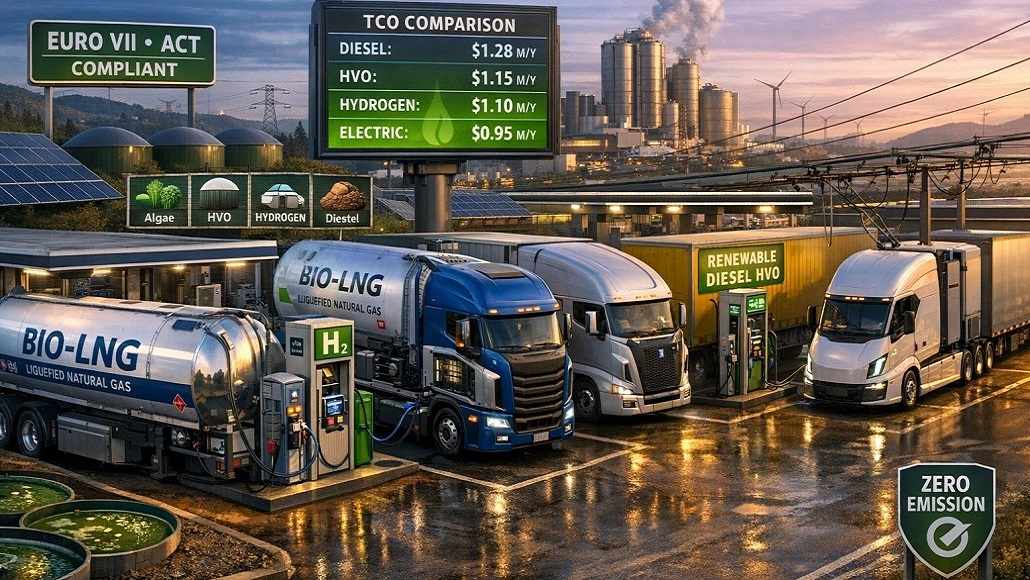
Government grants and subsidies also play a crucial role in the financial ecosystem of green expansion. Many of these incentives are designed to work alongside commercial truck finance options, effectively lowering the barrier to entry and improving the total cost of ownership (TCO). A well-structured finance plan can bridge the gap between the higher upfront cost of an electric truck and the lower long-term operating costs, making the transition financially viable from day one. For forward-thinking companies, Commercial Fleet Expansion by Leasing and Finance is the key that unlocks the door to a sustainable and net-zero future.
Transport Asset Management and Lifecycle Optimization
Effective fleet growth requires more than just acquiring vehicles; it requires a sophisticated approach to transport asset management. This involves monitoring the performance and cost of every vehicle throughout its lifecycle to ensure that it is providing the best possible return on investment. Financial partners often provide value-added services as part of a leasing package, such as maintenance management, telematics integration, and fuel card services. These tools allow fleet managers to optimize their operations and identify the exact moment when a vehicle becomes more expensive to maintain than it is to replace.
Lifecycle optimization also includes managing the “tail end” of the asset’s life. For owned vehicles, this means navigating the volatile secondary market to achieve the best possible resale value. For leased vehicles, it means ensuring that the asset is returned in a condition that meets the contract requirements. By integrating finance with asset management, businesses can achieve a more holistic view of their fleet’s performance. This data-driven approach is essential for making informed decisions about when and how to expand, ensuring that growth is both sustainable and profitable.
Diversifying Truck Finance Options for Business Resilience
Every transport business is unique, and there is no “one-size-fits-all” solution for fleet funding. Commercial vehicle loans, hire purchase agreements, and operating leases all have different tax and accounting implications. A successful expansion strategy involves working with financial experts who understand the nuances of the transport sector. For example, a “sale and leaseback” arrangement can provide an immediate injection of capital by selling existing assets to a finance company and then leasing them back. This can be a powerful tool for restructuring the balance sheet and providing the liquidity needed for a major expansion project.
The ability to access diverse truck finance options is a hallmark of business resilience. By maintaining relationships with multiple lenders and exploring different funding models, a company can ensure that it always has access to capital, even in a tightening credit market. This financial flexibility is what allows a business to seize new contracts or enter new markets with confidence. In the competitive world of logistics, being “ready to move” is often the difference between winning and losing.
The Role of Fleet Investment Strategy in Long-Term Growth
A successful Commercial Fleet Expansion by Leasing and Finance is not an isolated event; it is the execution of a long-term fleet investment strategy. This strategy should be aligned with the overall business goals, taking into account projected demand, regulatory changes, and technological trends. It should also include a clear plan for risk management, addressing issues such as interest rate fluctuations, fuel price volatility, and the residual value of assets.
A well-defined strategy provides the roadmap for growth, ensuring that every new vehicle added to the fleet is contributing to the company’s long-term success. It also provides the confidence needed to make bold moves, such as investing in a new regional hub or transitioning a significant portion of the fleet to alternative fuels. By treating the fleet as a strategic investment rather than just a cost of doing business, companies can build a more resilient and sustainable operation that is capable of thriving in a rapidly changing global economy.
Partnerships with Specialized Financial Providers
In the complex world of fleet finance, the choice of partner is just as important as the choice of vehicle. Specialized providers who have deep expertise in the transport and logistics sector can offer insights and products that a generalist lender cannot. They understand the “duty cycles” of different vehicles, the impact of various technologies on resale value, and the specific regulatory challenges faced by operators.
These partnerships often go beyond simple lending. A good financial partner acts as a consultant, helping the business to navigate the complexities of the green transition and the digital revolution. They can provide advice on everything from tax optimization to the best way to structure a multi-year expansion plan. By building a strong relationship with a specialized provider, fleet operators can gain a powerful ally in their quest for growth and excellence.
