










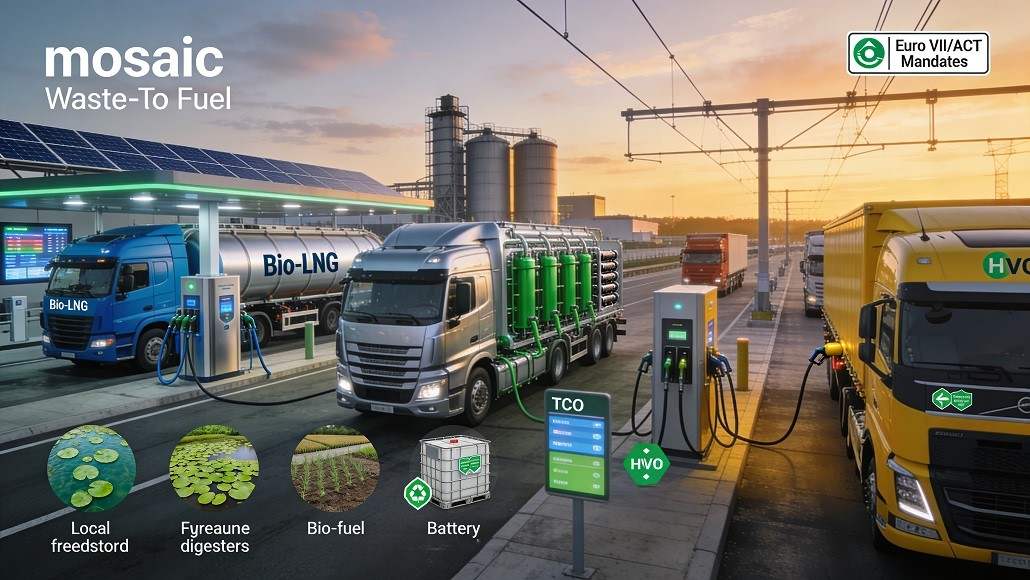
The global transportation industry is currently undergoing a profound energy shift, moving away from a century-long reliance on petroleum toward a diversified and sustainable future. For fleet operators, the mandate is clear: decarbonize or risk being left behind in a rapidly tightening regulatory environment. The adoption of alternative fuels for commercial vehicle fleets is no longer an optional corporate social responsibility initiative; it is a core strategic requirement for long-term operational viability. This transition is not characterized by a single “silver bullet” solution but rather by a mosaic of different technologies, each suited to specific geographic regions and operational duty cycles.
As governments worldwide commit to net-zero targets, the pressure on the commercial vehicle sector has intensified. Heavy-duty transport has traditionally been one of the most difficult segments of the economy to decarbonize due to the high energy requirements of moving heavy loads over long distances. However, recent breakthroughs in powertrain technology and fuel production are providing a clear path forward. From the immediate benefits of “drop-in” biofuels to the long-term potential of hydrogen and electrification, the energy landscape is being redesigned to meet the demands of a cleaner, more resilient global economy.
The Immediate Impact of Biofuels and Drop-in Solutions
For many fleet managers, the most accessible and cost-effective entry point into the world of alternative fuels is the use of biofuels. Biofuel commercial vehicles provide a critical “bridge” technology because they can often utilize existing internal combustion engine (ICE) hardware with little to no modification. Hydrotreated Vegetable Oil (HVO), for instance, is a high-quality renewable diesel that can reduce greenhouse gas emissions by up to 90% when compared to conventional mineral diesel. Its “drop-in” nature allows fleets to achieve immediate and significant carbon reductions without the massive capital expenditure required for an entirely new fleet of vehicles.
The sustainability of these fuels, however, depends heavily on the feedstock used in their production. The industry is moving away from first-generation biofuels derived from food crops and toward advanced fuels made from waste products, such as used cooking oil, agricultural residues, or even algae. This ensures that the push for sustainable fleet energy does not inadvertently contribute to deforestation or food insecurity. As the supply chain for these advanced biofuels continues to mature, they provide a reliable and scalable solution for fleets that are not yet ready to transition to more radical vehicle architectures.
Natural Gas: LNG Trucks as a Transitional Powerhouse
Natural gas, particularly in its liquefied form (LNG), has emerged as a significant alternative for long-haul and regional transport. LNG trucks offer a range and refueling time that are highly comparable to traditional diesel, making them an attractive option for heavy-duty operations where battery-electric solutions are not yet viable. While natural gas is a fossil fuel, it burns significantly cleaner than diesel, resulting in lower emissions of nitrogen oxides (NOx) and particulate matter. This makes it a valuable tool for improving local air quality, especially in densely populated corridors.
The real transformative potential of natural gas lies in the transition to Bio-LNG. By capturing methane from organic waste such as manure, food waste, or sewage and refining it into fuel, operators can achieve a carbon-neutral or even carbon-negative footprint. This “circular” approach to energy production is a powerful example of how the logistics sector can integrate with broader environmental and agricultural systems. The development of alternative fuel infrastructure for natural gas is already well advanced in many parts of the world, providing the refueling confidence needed for large-scale corporate adoption.
The Hydrogen Frontier and Fuel Cell Innovation
For the most demanding long-distance routes and the heaviest payloads, hydrogen fuel cell trucks represent the most promising long-term solution. Unlike battery-electric vehicles, which can suffer from payload penalties due to the weight of the batteries, hydrogen offers high energy density and rapid refueling capabilities. A hydrogen fuel cell vehicle generates electricity through a chemical reaction between hydrogen and oxygen, with the only byproduct being pure water vapor. This makes it the ultimate zero-emission technology for the heavy freight sector.
The widespread adoption of hydrogen is currently in its early stages, characterized by pilot programs and the development of initial “hydrogen corridors.” The primary challenge remains the production and distribution of “green” hydrogen hydrogen produced using renewable electricity. Developing the necessary alternative fuel infrastructure for hydrogen is a massive global undertaking, requiring new storage facilities, pipelines, and high-pressure refueling stations. However, as investment in the global hydrogen economy continues to accelerate, the costs are expected to fall rapidly, making hydrogen a cornerstone of alternative fuels for commercial vehicle fleets by the end of this decade.
Infrastructure Development and Energy Resilience
The success of any alternative fuel strategy is inextricably linked to the availability and reliability of refueling infrastructure. A truck is only an asset if it can be refueled predictably and cost-effectively. This has traditionally led to a “chicken and egg” problem, where operators are hesitant to buy vehicles without infrastructure, and energy providers are hesitant to build infrastructure without a guaranteed customer base. Overcoming this barrier requires deep coordination between the public and private sectors, with governments providing the regulatory certainty and initial subsidies needed to de-risk these massive infrastructure investments.
Beyond environmental benefits, the shift toward alternative fuels for commercial vehicle fleets also enhances national energy resilience. By diversifying the energy sources used in transport, countries can reduce their dependence on imported oil and the price volatility associated with global geopolitical tensions. Utilizing locally produced biofuels, renewable electricity, and green hydrogen creates a more self-sufficient energy system. This strategic aspect of the energy transition is becoming increasingly important as the global political and economic landscape becomes more unpredictable.
Financial Viability and Total Cost of Ownership
When evaluating low emission trucks, the primary concern for any commercial operator is the Total Cost of Ownership (TCO). While the upfront purchase price of an LNG or hydrogen truck is currently higher than a diesel equivalent, the operational costs can be significantly lower over the life of the asset. Many regions provide fuel duty exemptions or environmental grants that can offset the higher initial investment. Furthermore, as carbon taxes on fossil fuels continue to rise, the economic argument for alternative fuels becomes even more compelling.
Fleet managers must also consider the future-proofing aspect of their investment. As the industry moves toward a net-zero future, the residual value of traditional diesel trucks is likely to decline more rapidly than in the past. Investing in alternative fuel trucks is a way of protecting the company’s long-term financial health and ensuring that the fleet remains compliant with future emission regulations. Forward-thinking companies are moving beyond simple year-over-year cost comparisons and are integrating environmental risk and sustainability goals into their core financial planning models.
The Role of Policy and Regulatory Mandates
Government policy remains the most powerful driver of change in the commercial vehicle sector. From the Euro VII standards in Europe to the Advanced Clean Trucks (ACT) mandate in the United States, the regulatory environment is designed to phase out traditional internal combustion engines in favor of zero-emission alternatives. These mandates provide the necessary pressure to accelerate technological innovation and scale up production.
In addition to mandates, supportive policies such as infrastructure grants and tax incentives are essential for smoothing the transition. By lowering the financial barriers to entry, these policies allow smaller operators to participate in the energy transition, ensuring that the entire logistics chain becomes more sustainable. The transition is not just a technical challenge; it is a policy-driven shift that requires a consistent and long-term commitment from leaders across the political and industrial spectrum.
