




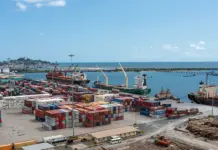







In an increasingly interconnected world, the pulse of global trade beats loudest in its ports. These vital gateways, bustling with the movement of goods and vessels, are under constant pressure to evolve, adapt, and innovate. The sheer volume of cargo, the ever-growing size of container ships, and the relentless demand for speed and reliability have pushed traditional port operations to their limits. Against this backdrop, the advent and rapid deployment of autonomous systems in ports have not emerged only as an incremental upgrade. Transport Advancement is of the opinion that this advancement is a transformative force, fundamentally reshaping the landscape of maritime logistics and driving unprecedented levels of port efficiency globally.
The journey towards automated ports is a testament to human ingenuity in solving complex logistical puzzles. It signifies a strategic shift from labor-intensive, often hazardous operations to intelligent, data-driven ecosystems that promise not only faster throughput but also enhanced safety and a significantly reduced environmental footprint. This profound evolution, deeply rooted in advanced maritime technology, is a critical enabler for sustaining the growth of international commerce in the 21st century.
Automation Imperative to Meet the Demands of Modern Trade
The impetus behind the surge in port automation is multi-faceted, reflecting the intricate pressures of the global supply chain. Firstly, the sheer scale of global trade continues its upward trajectory. Each year, billions of tons of cargo traverse the oceans, necessitating ports that can handle these volumes with speed and precision. The advent of ultra-large container vessels, capable of carrying over 24,000 TEUs (twenty-foot equivalent units), has further intensified the challenge, requiring ports to service these behemoths efficiently to avoid costly delays.
Beyond volume, there’s the critical issue of operational consistency and reliability. Supply chains abhor unpredictability, and traditional manual operations, while skilled, can be susceptible to human error, labor disputes, and varying performance levels. The global pandemic underscored the fragility of these chains, highlighting the urgent need for resilience and a capacity for uninterrupted operation. Here, autonomous systems in ports offer a compelling solution, promising consistent performance around the clock, unaffected by shift changes, breaks, or external disruptions to the human workforce.
Furthermore, safety is a paramount concern. Port environments are inherently dangerous, with heavy machinery, vast movements of containers, and constant traffic. Removing humans from direct contact with these hazardous operations significantly reduces the risk of accidents and fatalities, enhancing the overall well-being of the port workforce. This commitment to safety, combined with the drive for operational excellence, creates an undeniable case for accelerating the adoption of terminal automation.
The Rising Tide of Containerization and Vessel Size
The container revolution transformed global shipping, streamlining processes and enabling economies of scale. However, this evolution continues, with vessels growing ever larger, demanding specialized infrastructure and faster turnaround times. A port’s ability to swiftly offload and reload these mega-ships directly impacts its competitiveness and the entire supply chain’s fluidity. Manual processes simply cannot keep pace with the demands of such colossal operations.
Labor Scarcity and Skill Gaps
Many regions face challenges in attracting and retaining labor for demanding port jobs. Automation addresses this by allowing a smaller, more highly skilled workforce to oversee and manage sophisticated machinery, shifting the focus from manual labor to supervisory and technical roles. This re-skilling of the workforce is an important aspect of transitioning to smart ports.
Core Components of Autonomous Port Operations
The implementation of autonomous systems in ports is not a singular technological fix but rather an intricate orchestration of various advanced components working in harmony. These systems combine robotics, artificial intelligence, sophisticated sensing technologies, and robust communication networks to create a seamlessly integrated operational environment.
Autonomous Cranes – The Backbone of Efficiency
At the heart of any automated terminal lie autonomous cranes. These include ship-to-shore (STS) cranes, which load and unload containers from vessels, and yard cranes, such as automated stacking cranes (ASCs) or rubber-tired gantry (RTG) cranes, which manage container storage within the terminal yard. Unlike their manually operated predecessors, autonomous cranes utilize precise GPS, laser guidance, and optical recognition systems to execute movements with unparalleled accuracy and speed. They can operate continuously, minimizing the idle time of vessels and dramatically reducing turnaround times. This precision also leads to less damage to containers and cargo, further boosting port efficiency.
Ship-to-Shore Automation – Precision at the Berth
Automated STS cranes leverage high-resolution cameras and advanced algorithms to detect container twist locks and securely latch onto containers, minimizing sway and increasing the speed of discharge and load cycles. This reduces the time a ship spends at berth, a critical metric for shipping lines.
Yard Automation – Optimizing Space and Flow
Automated stacking cranes (ASCs) are central to managing the dense container stacks in the yard. They can precisely place and retrieve containers in a multi-level stack, optimizing space utilization and ensuring efficient access. These cranes often operate in conjunction with automated guided vehicles (AGVs) to transport containers between the quay and the stacking area without human intervention.
Automated Guided Vehicles (AGVs) and Automated Stacking Cranes (ASCs)
Complementing autonomous cranes are AGVs, electric vehicles designed to transport containers between the quayside, the stacking yard, and truck gates. AGVs navigate pre-defined paths or use sophisticated real-time navigation systems, operating 24/7 without needing breaks or shifts. They eliminate human-driven trucks from hazardous areas and can be charged automatically, further contributing to continuous operation. When combined with ASCs, these systems form a fully integrated terminal automation solution that orchestrates container movements with optimal efficiency, directly contributing to overall port efficiency.
Intelligent Terminal Operating Systems (TOS)
No amount of autonomous hardware would be effective without an intelligent software brain to coordinate it all. Terminal Operating Systems (TOS) have evolved into highly sophisticated platforms, integrating data from every piece of equipment, every container, and every vessel. These advanced TOS utilize AI and machine learning algorithms to optimize crane schedules, AGV routes, stacking strategies, and gate operations. They provide real-time visibility into every aspect of the port’s activity, predict potential bottlenecks, and make dynamic adjustments to maintain peak performance. This forms the bedrock of digital port operations, ensuring that the autonomous components are working in perfect synchronicity.
AI and Machine Learning Enhancing Predictive Capabilities
The infusion of artificial intelligence and machine learning is elevating autonomous systems in ports to new heights. These technologies enable predictive maintenance for equipment, anticipating failures before they occur and minimizing downtime. They optimize resource allocation, manage yard congestion, and even learn from past operational data to continuously improve decision-making. AI-powered analytics can identify patterns in traffic flow, weather conditions, and cargo types to create more resilient and responsive operational plans, pushing the boundaries of port efficiency even further.
Tangible Benefits of Autonomous Systems
The shift to autonomous systems in ports yields a multitude of profound benefits that ripple across the entire supply chain, transforming operational dynamics and setting new benchmarks for performance.
Enhanced Port Efficiency and Throughput
Perhaps the most immediate and significant advantage is the dramatic increase in port efficiency. Automated terminals can process containers faster, with greater consistency, and for longer durations than traditional manual operations. This leads to reduced vessel turnaround times, meaning ships spend less time docked and more time at sea, a direct cost-saving for shipping lines. Furthermore, optimal container flow within the terminal translates to faster cargo delivery to inland destinations, benefiting importers and exporters alike. The seamless flow facilitated by terminal automation minimizes bottlenecks and maximizes the utilization of expensive port infrastructure.
Improved Safety Standards
By removing personnel from areas of heavy machinery operation, autonomous systems in ports drastically reduce the risk of accidents, injuries, and fatalities. Autonomous cranes operate without humans in the cab, and AGVs navigate the yard without drivers, creating a safer working environment for the remaining supervisory staff. This commitment to safety not only protects lives but also reduces insurance costs and improves overall workplace morale.
Cost Reductions and Operational Savings
While the initial investment in port automation can be substantial, the long-term operational savings are compelling. Reduced labor costs, optimized energy consumption (especially with electric AGVs), and minimized damage to cargo and equipment contribute to significant cost efficiencies. The increased throughput allows ports to handle more volume within their existing footprint, postponing or eliminating the need for costly expansions. Predictive maintenance, powered by AI, also reduces unexpected breakdowns and extends the lifespan of expensive machinery.
Environmental Sustainability
Automated ports are inherently greener. Electric AGVs and electrified cranes significantly reduce reliance on fossil fuels, leading to lower greenhouse gas emissions and improved air quality around port communities. Optimized cargo flow and reduced vessel idling times further cut down on emissions. The precise movements of autonomous cranes and vehicles also mean less fuel wasted on inefficient maneuvering, aligning port operations with global sustainability goals. This focus on green logistics makes smart ports attractive to environmentally conscious shippers.
Scalability and Future-Proofing
Automated systems offer greater scalability. They can handle increasing cargo volumes with relative ease by simply adding more AGVs or optimizing software algorithms, often without needing extensive physical expansion. This makes ports more resilient and adaptable to future growth in global trade, effectively future-proofing their operations through advanced maritime technology.
Challenges and Considerations on the Path to Autonomy
Despite the clear advantages, the journey to full port automation is not without its hurdles. The most significant barrier is often the substantial upfront capital investment required for new infrastructure, equipment, and software. Such projects demand long-term financial commitment and strategic planning.
Integrating new autonomous systems in ports with existing legacy infrastructure and IT systems can also be complex and time-consuming. Ensuring seamless communication and data flow between disparate systems requires meticulous planning and robust cybersecurity measures to protect against increasingly sophisticated cyber threats. The reliance on digital networks makes these ports potential targets, necessitating rigorous defense strategies for digital port operations.
Furthermore, the transition to an automated port profoundly impacts the workforce. While automation creates new, often higher-skilled jobs in system management, maintenance, and IT, it also displaces traditional manual roles. Managing this workforce transition, providing retraining opportunities, and addressing social and economic impacts are critical considerations for successful implementation.
The Future of Smart Ports
Looking ahead, the evolution of autonomous systems in ports is poised to accelerate, moving beyond isolated pockets of automation to fully integrated, intelligent ecosystems, the ultimate vision of smart ports. This future will see deeper integration of the Internet of Things (IoT), where every asset, from containers to cranes, is connected and communicating in real-time. Blockchain technology could enhance transparency and security in supply chain documentation, while AI will continue to refine predictive analytics and optimization algorithms.
The concept of a smart port extends beyond the terminal gates, fostering seamless connectivity with hinterland logistics. Autonomous trucks and trains could automatically pick up cargo from port terminals, creating an end-to-end autonomous supply chain. The continued advancements in maritime technology will drive these innovations, ensuring that ports remain at the cutting edge of global trade facilitation. This integrated approach promises not just enhanced port efficiency but a truly resilient, responsive, and sustainable global logistics network.
Conclusion
The transformation driven by autonomous systems in ports, Transport Advancement believes, is a pivotal moment in the history of global trade. From enhancing efficiency and throughput to significantly improving safety and championing environmental sustainability, these advanced technologies are redefining what is possible in maritime logistics. While the path to widespread adoption involves considerable investment and complex integration challenges, the strategic imperatives for speed, reliability, and resilience make port automation an undeniable necessity. As ports around the world continue to embrace these innovations, they are not just upgrading their operations, they are actively building the intelligent, interconnected gateways that will power global commerce for decades to come, ensuring the arteries of trade remain vibrant and robust. The future of global logistics is undoubtedly autonomous, efficient, and brilliantly smart.
