
















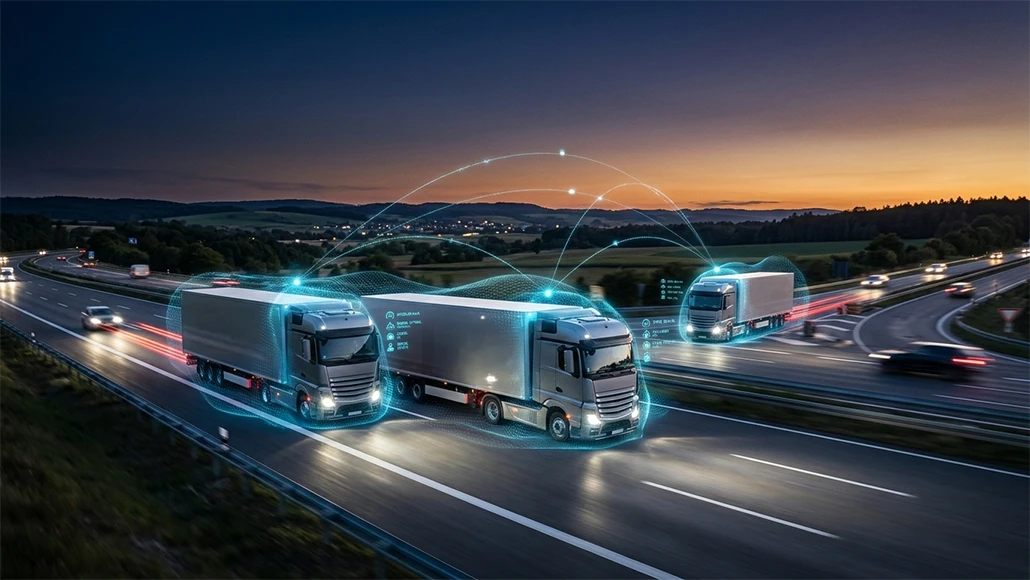
The modern transportation sector is undergoing a profound digital renaissance, where the physical movement of goods is now inextricably linked to a constant stream of digital information. At the heart of this revolution are connected commercial vehicles and smart telematics, a combination that has fundamentally altered how fleets are managed, maintained, and optimized. In an era where margins are thin and the demand for speed and transparency is at an all-time high, the ability to harvest and act upon real-time data has become the ultimate differentiator between market leaders and those struggling to keep pace. This digital integration is not merely an incremental improvement; it is a paradigm shift that turns every vehicle into a node in a global, intelligent network.
Telematics has evolved far beyond the simple GPS tracking systems of the past. Today, it represents a sophisticated convergence of telecommunications and informatics, creating a “nervous system” for the fleet. Every truck on the road is now a mobile data center, capable of transmitting thousands of data points every second. This connectivity allows fleet operators to gain a granular view of their operations that was previously unimaginable, transforming the vehicle from a black box into a transparent, manageable asset. This level of insight enables a transition from managing by intuition to managing by objective, empirical data, which is essential for survival in the increasingly complex world of global logistics.
The Architecture of Fleet Telematics Systems
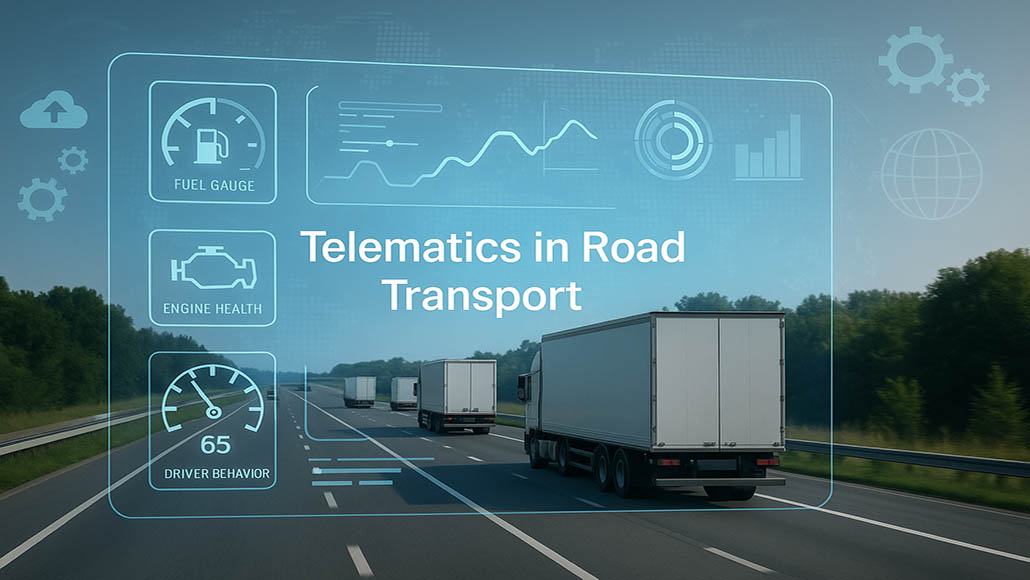
The foundation of this technology lies in the integration of specialized hardware and cloud-based software platforms. Modern fleet telematics systems utilize a variety of sensors to monitor everything from engine diagnostics and fuel consumption to tire pressure and cargo temperature. This data is transmitted via high-speed cellular or satellite networks to a centralized platform where it is processed using advanced transport analytics. The result is a comprehensive dashboard that provides actionable insights in real time, allowing managers to make informed decisions that impact both the bottom line and operational safety. The architecture must be robust enough to handle the massive data volume while remaining flexible enough to integrate with existing Enterprise Resource Planning (ERP) and Warehouse Management Systems (WMS).
One of the most significant advantages of this connectivity is the ability to monitor driver behavior with unprecedented precision. By analyzing patterns such as harsh braking, rapid acceleration, and excessive idling, companies can develop targeted coaching programs that improve road safety and fuel efficiency. This is not about micromanagement; it is about empowering drivers with the information they need to perform their roles more effectively. When drivers understand how their actions affect vehicle longevity and fuel costs, they become active participants in the company’s success. Furthermore, the use of gamification rewarding drivers for high safety and efficiency scores has proven to be a highly effective way to foster a culture of excellence within the fleet.
Data Privacy and Cybersecurity in the Connected Age
As vehicles become more connected, the importance of data privacy and cybersecurity cannot be overstated. A connected truck is potentially vulnerable to the same digital threats as a computer or a smartphone. Protecting the integrity of the data stream and the security of the vehicle’s control systems is a top priority for manufacturers and fleet operators alike. This requires a multi-layered approach to security, including end-to-end encryption, robust authentication protocols, and regular software updates. Furthermore, companies must be transparent with their drivers about what data is being collected and how it is being used, ensuring compliance with evolving data protection regulations like GDPR. Building trust in the digital system is as important as the technical security itself.
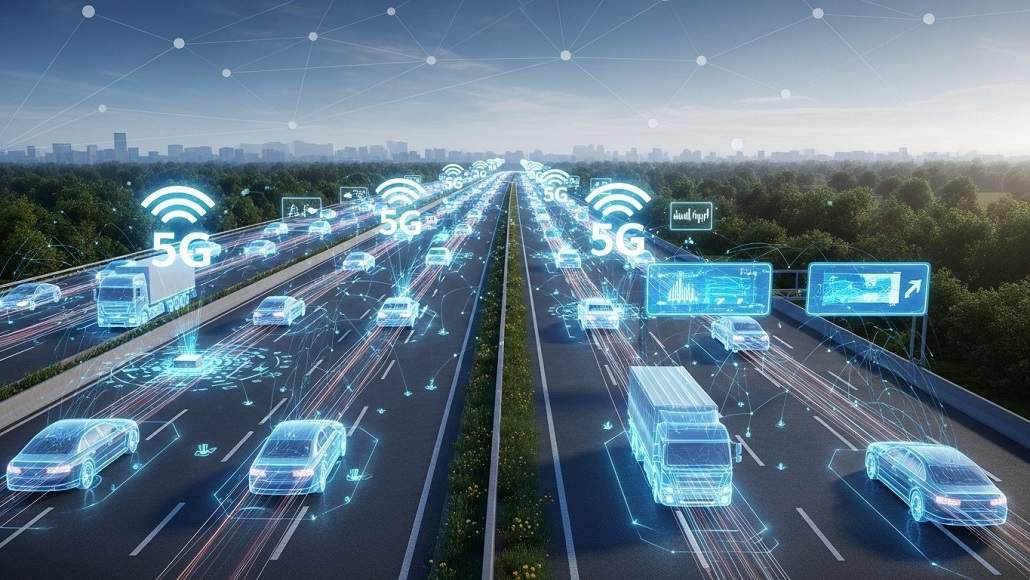
The role of 5G technology is also set to become a major catalyst in this space. With its lower latency and higher bandwidth, 5G will enable even more complex real-time applications, such as high-definition video streaming for driver assistance and instant “vehicle-to-everything” (V2X) communication. This will allow trucks to communicate directly with traffic signals, other vehicles, and even infrastructure like bridges and weigh stations. The result will be a much more coordinated and efficient transport network where the “gaps” between different parts of the logistics chain are effectively eliminated.
Predictive Maintenance and Vehicle Health
Perhaps the most transformative application of connected commercial vehicles and smart telematics is the shift from reactive to predictive maintenance. In the traditional model, vehicles were serviced based on fixed intervals or, worse, after a breakdown had already occurred. This approach is inherently inefficient and often leads to costly unplanned downtime. With smart telematics, however, the vehicle itself can signal when a component is beginning to fail. By monitoring engine health parameters and identifying anomalies in performance, predictive maintenance algorithms can alert the maintenance team to potential issues before they escalate into major repairs.
This proactive approach allows for service to be scheduled during planned downtime, ensuring that the fleet remains on the road during peak hours. Furthermore, this proactive approach extends the lifespan of the vehicle, as minor issues are addressed before they can cause cascading damage to other systems. In an industry where a single day of downtime can cost thousands of pounds, the value of predictive maintenance cannot be overstated. It transforms the maintenance department from a cost center that reacts to crises into a strategic partner that ensures maximum asset utilization and reliability.
Real Time Vehicle Tracking and Logistics Optimization
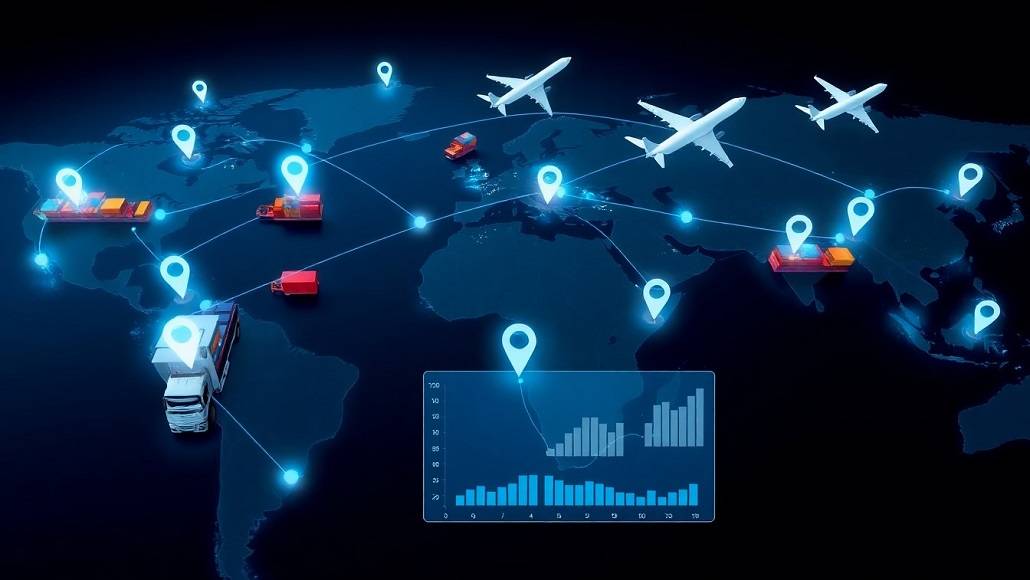
The impact of connectivity extends well beyond the vehicle itself, influencing the entire logistics chain. Real time vehicle tracking provides customers with the transparency they now expect as a standard. Whether it is a business awaiting a critical shipment of raw materials or a consumer tracking a parcel, the ability to provide accurate ETAs (Estimated Times of Arrival) is essential for maintaining trust and satisfaction. This transparency also allows for better resource planning at the destination, as receiving teams can be ready to unload the vehicle as soon as it arrives, reducing turnaround times and improving overall efficiency.
Moreover, the data generated by connected trucks allows for more sophisticated route optimization. By integrating real-time traffic data, weather conditions, and historical performance metrics, transport analytics platforms can suggest the most efficient paths for drivers to take. This reduces miles driven, lowers fuel consumption, and ensures that deliveries are made on time despite the unpredictable nature of the road. Digital fleet solutions are also increasingly capable of automating the dispatch process, matching the right vehicle and driver to the right job based on location, availability, and specific vehicle capabilities. This level of precision is particularly valuable in “last-mile” delivery, where the density of drops and the complexity of urban traffic make manual planning nearly impossible.
IoT Fleet Management and the Data Ecosystem
As the Internet of Things (IoT) continues to expand, the ecosystem surrounding connected commercial vehicles and smart telematics is becoming even more integrated. We are seeing the rise of “smart trailers” that can report their own location and status even when disconnected from a tractor unit. Sensors on cargo can provide real-time updates on the condition of sensitive goods, such as pharmaceuticals or perishable foods, ensuring that the cold chain is never broken. This data-rich environment allows for a level of quality assurance that was previously unattainable, reducing waste and ensuring that products reach their destination in optimal condition.
This level of connectivity also facilitates a more seamless interaction between the fleet and other stakeholders, such as ports, warehouses, and regulatory bodies. For instance, electronic logging devices (ELDs) automatically record driving hours, simplifying compliance with hours-of-service regulations and reducing the administrative burden on drivers. As we move toward more autonomous features in heavy vehicles, the role of telematics as a communication bridge between the vehicle and its environment will only grow in importance. The vehicle is no longer a standalone machine; it is a participant in a vast, interconnected digital economy.
The Synergy of AI and Telematics
The next frontier for smart telematics is the integration of artificial intelligence (AI). While telematics provides the raw data, AI provides the “brain” that can make sense of it at scale. AI algorithms can identify subtle patterns in vehicle performance or driver behavior that would be invisible to human analysts. For example, AI can predict fuel price fluctuations and suggest the best locations and times for refueling across a long-haul route. It can also analyze the impact of different cargo loading configurations on vehicle stability and fuel efficiency. This synergy between data collection and intelligent analysis is what will drive the next wave of productivity gains in the transport sector.
Furthermore, the human element remains at the core of the digital fleet. The transition to a data-driven operation requires a change in mindset at every level of the organization. Dispatchers must learn to trust the algorithms, managers must become proficient in data interpretation, and drivers must adapt to a more connected work environment. Clear communication and a focus on how these tools make the job easier and safer are essential for successful adoption. The goal is to create a “bionic” operation where human expertise is augmented by digital intelligence, resulting in a fleet that is safer, cleaner, and more efficient than ever before.
Key Takeaways
Transitioning from Reactive to Proactive Operations
The integration of smart telematics enables a fundamental shift in fleet management from reacting to problems to predicting and preventing them. By utilizing engine diagnostics and sensor data, companies can implement predictive maintenance schedules that drastically reduce unplanned downtime and extend the operational life of their vehicles. This proactive stance not only saves money but also enhances the overall reliability of the service provided to the end customer.
Enhanced Visibility and Customer Transparency
Connectivity provides a level of visibility into the supply chain that was previously impossible. Real-time tracking and advanced transport analytics allow for highly accurate delivery windows and optimized routing, which directly translates to improved customer satisfaction and more efficient resource allocation across the entire logistics network. As the industry moves toward 5G and AI integration, the ability to act on real-time data will become the defining characteristic of a successful commercial fleet.
