












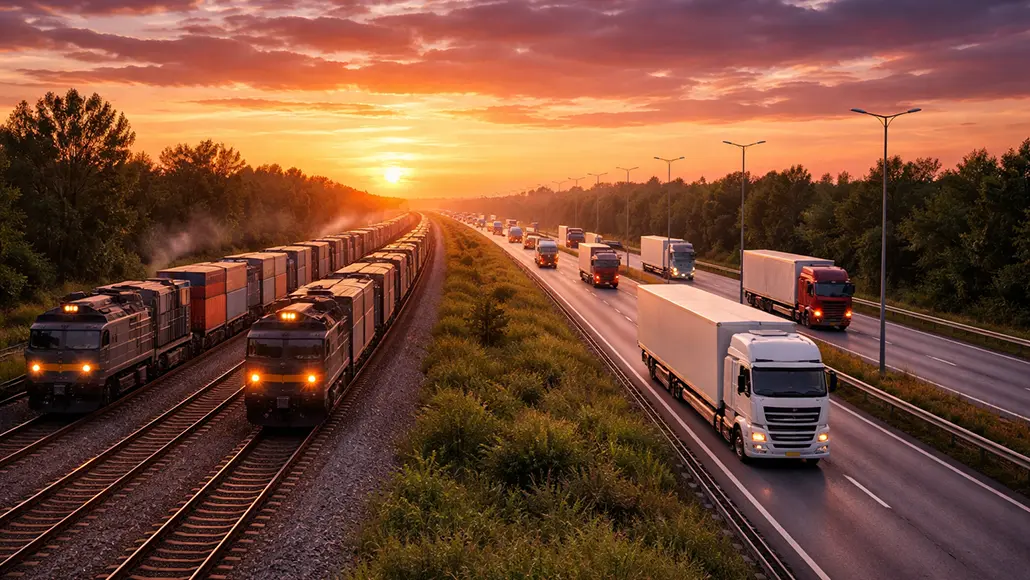
The arteries of global commerce have long been dominated by the hum of diesel engines and the seemingly endless convoys of trucks traversing highways. For decades, road transport has held an almost unassailable lead in the movement of goods, offering unparalleled flexibility and door-to-door service. Yet, a palpable shift is underway, gathering momentum with each passing year, signalling a profound rail freight revival. This isn’t merely a nostalgic glance back at a bygone era, it is a strategic repositioning of rail as a vital component of modern freight transport infrastructure, poised to capture a significant portion of market share from its road-bound counterpart. The question is no longer if, but how extensively, railways can achieve this critical road to rail shift.
The Compelling Drivers Behind Rail’s Resurgence
Several powerful forces are converging to propel the rail freight revival, making rail an increasingly attractive proposition for shippers and governments alike. These drivers are multifaceted, encompassing economic imperatives, environmental mandates, and the relentless pursuit of enhanced supply chain efficiency.
Economic Realities and the Cost Imperative
In an era of volatile fuel prices and escalating operational expenses for trucking, the economic argument for rail has become starkly clear. Railways offer inherently lower freight costs for long-distance hauls, primarily due to their superior fuel efficiency and capacity to move vast quantities of goods in a single consignment. A single freight train can transport the equivalent of hundreds of trucks, dramatically reducing per-unit transport costs. This economy of scale is particularly appealing for bulk commodities like minerals, agricultural products, and automotive components, where the cost advantage of rail is undeniable. Moreover, the hidden costs associated with road transport – road maintenance, congestion, and driver shortages – are increasingly influencing logistical decisions. As businesses strive to optimize their expenditures, the predictable and often more favourable pricing structure of rail logistics is proving to be a strong draw.
Environmental Stewardship and Sustainable Transport
Perhaps the most potent catalyst for the rail freight revival is the urgent need for sustainable transport solutions. The global commitment to reducing carbon emissions has placed intense pressure on all industries, and freight transport is no exception. Rail, by its very nature, is a far more environmentally friendly mode of transport than road. Electric trains, powered by renewable energy, produce zero emissions at the point of use. Even diesel locomotives are significantly more fuel-efficient per tonne-kilometre than trucks, leading to substantially low-emission logistics. Companies are not only facing regulatory pressures but also consumer and investor demands for greener supply chains. Adopting a road to rail shift allows businesses to tangibly reduce their carbon footprint, contributing to corporate sustainability goals and enhancing brand reputation. This environmental dividend is a non-negotiable factor in the current logistics landscape.
Reliability, Capacity, and Supply Chain Resilience
Beyond cost and environment, the inherent reliability and capacity of rail provide a robust backbone for modern supply chains. While road transport can be vulnerable to traffic congestion, driver hour regulations, and weather-related disruptions, rail operates on dedicated networks with fewer points of failure over long distances. This translates into more predictable transit times and improved, crucial in a just-in-time delivery world. The ability of rail to move large volumes of goods consistently, often 24/7, offers a level of capacity that road transport simply cannot match without significantly increasing the number of vehicles. In a world grappling with supply chain vulnerabilities exposed by recent global events, the resilience offered by a diversified freight transport strategy, heavily incorporating rail, is more valued than ever.
Navigating the Challenges: The Road Ahead for Rail
Despite these powerful tailwinds, the rail freight revival is not without its challenges. Overcoming decades of road dominance requires strategic investment, technological innovation, and a collaborative spirit across the logistics ecosystem.
The Last-Mile Dilemma and Intermodal Solutions
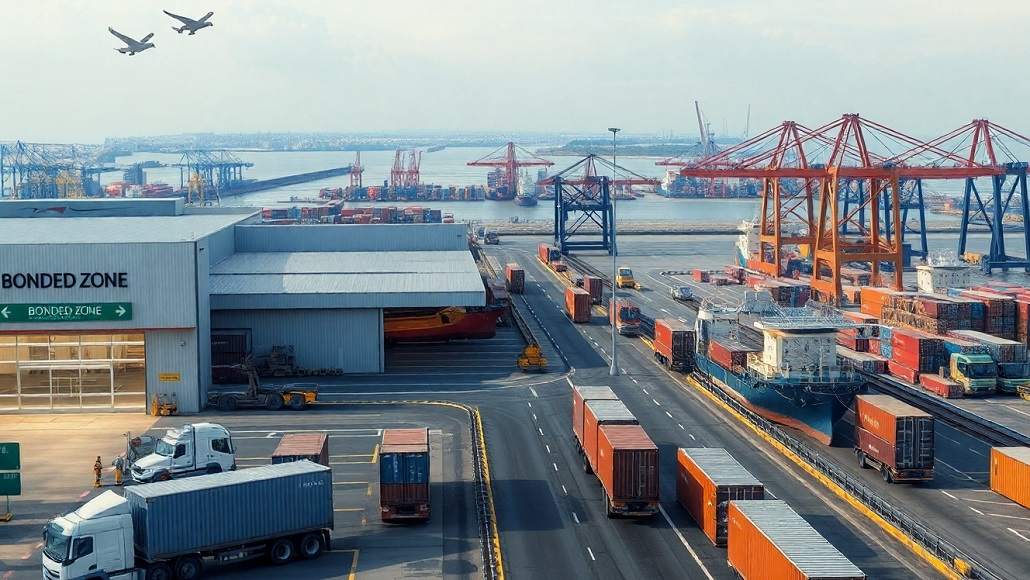
One of the long-standing advantages of road transport has been its ability to offer true door-to-door service. Rail, by contrast, relies on fixed infrastructure, creating a “last-mile” challenge from the rail hub to the final destination. However, this challenge is precisely where innovation in rail logistics is making significant strides. The rise of intermodal freight transport, the seamless movement of goods in standardized containers or swap bodies using multiple modes of transport without handling the freight itself when changing modes, is a game-changer. By combining the long-haul efficiency of rail with the flexibility of road for the initial and final legs, intermodal solutions effectively bridge the last-mile gap. Investments in intermodal terminals, cranes, and handling equipment are facilitating quicker transfers, making the road to rail shift smoother and more appealing.
Infrastructure Investment and Modernization
For rail to truly rival road transport, continuous investment in infrastructure is paramount. Many rail networks, particularly in older industrial regions, require modernization – from track upgrades and electrification to signalling systems and digital control centres. Expanding capacity, alleviating bottlenecks, and improving network reliability are crucial steps. Governments and private entities are increasingly recognizing this need, pouring billions into new rail lines, double-tracking existing routes, and upgrading cross-border connections to facilitate international freight transport. These investments are not just about capacity; they are about future-proofing the network for high-speed, high-volume low-emission logistics. The integration of smart technologies, such as IoT sensors and AI-driven predictive maintenance, is further enhancing the efficiency and safety of rail operations.
Regulatory Harmonization and Operational Efficiency
Cross-border freight transport by rail often encounters complexities related to differing national regulations, technical standards, and operational protocols. Harmonizing these aspects across regions, particularly in densely connected areas like Europe, is vital for realizing the full potential of rail logistics. Efforts to streamline customs procedures, standardize wagon designs, and create common digital platforms are underway, aiming to reduce delays and improve overall operational efficiency. Furthermore, enhancing coordination between rail operators, terminal managers, and road hauliers is key to creating truly integrated supply chain efficiency that can compete effectively with the perceived simplicity of direct road transport.
The Future Trajectory: A Balanced Ecosystem
The vision for the future of freight transport is not one where rail entirely replaces road, but rather one where both modes play to their strengths within a balanced, integrated logistics ecosystem. The rail freight revival is about optimizing modal choice, ensuring that the right mode is used for the right journey.
Technological Advancements Driving Smart Rail
The future of rail logistics is intrinsically linked to technological innovation. Automation, digitalization, and data analytics are transforming every aspect of rail operations. Autonomous trains, while still in developmental stages for mainline freight, promise to enhance safety and efficiency in shunting yards and dedicated routes. Predictive analytics, powered by vast datasets, can optimize train scheduling, maintenance, and route planning, minimizing downtime and maximizing throughput. Digital platforms are enabling real-time tracking of consignments, providing shippers with greater visibility and control over their goods, thereby significantly boosting supply chain efficiency. These advancements are making low-emission logistics via rail not just aspirational, but practical and highly competitive.
Policy Support and Strategic Partnerships
Governments globally are increasingly implementing policies designed to encourage a road to rail shift. This includes financial incentives for businesses to switch modes, investments in intermodal terminals, and regulatory frameworks that prioritize rail development. Long-term strategic planning, often involving public-private partnerships, is crucial for developing robust and resilient freight transport networks. Collaborative initiatives between rail operators, logistics providers, and technology firms are fostering innovation and creating holistic solutions that address the nuanced needs of various industries. These partnerships are vital in building the necessary infrastructure and services to sustain the rail freight revival.
The Enduring Appeal of Sustainable Transport
Ultimately, the enduring appeal of the rail freight revival lies in its inherent alignment with the global drive towards sustainability. As environmental concerns escalate and the cost of carbon increases, rail will continue to cement its position as the backbone of low-emission logistics. From lower freight costs to reduced carbon footprints, the economic and ecological arguments for rail are becoming too compelling to ignore. The ongoing road to rail shift is more than a trend; it is a fundamental re-evaluation of how goods are moved, pointing towards a future where freight transport is not only efficient and cost-effective but also environmentally responsible and resilient. The railways, once considered a relic by some, are indeed roaring back to life, ready to shoulder an ever-growing share of the world’s logistical burden.
