



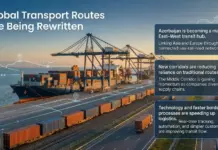











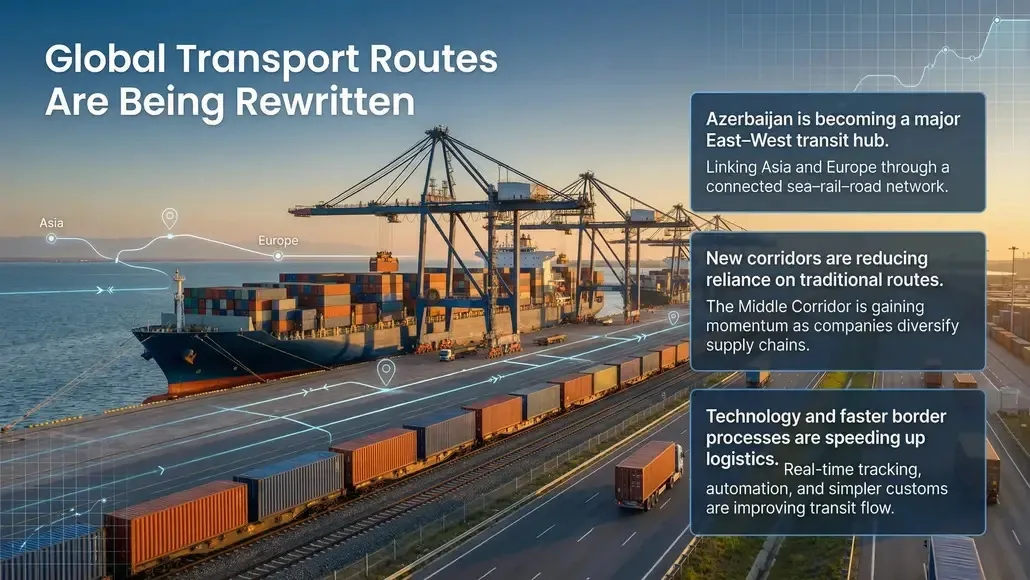
The current era is witnessing a fundamental reorganization of the ways in which products are moved across the planet, as global transport and logistics routes enter a phase of profound modification. Driven by a combination of shifting geopolitical landscapes, new economic objectives, and rapid technological progress, traditional pathways for trade are being re-evaluated in favor of emerging corridors that prioritize efficiency and the diversification of supply chains. At the heart of this transition is Azerbaijan, which has utilized its unique geographic placement in Eurasia to establish itself as a primary transit center. By serving as a vital link between the markets of the East and the West, the nation facilitates the movement of freight through an integrated network of maritime, road, and rail systems. Central to this effort are large-scale infrastructure developments, most notably the Port of Baku and the Baku–Tbilisi–Kars railway, which have significantly bolstered the connectivity of the entire region. These projects are not merely domestic priorities but are essential components in a broader strategy to create more flexible and resilient logistics frameworks capable of enduring external shocks.
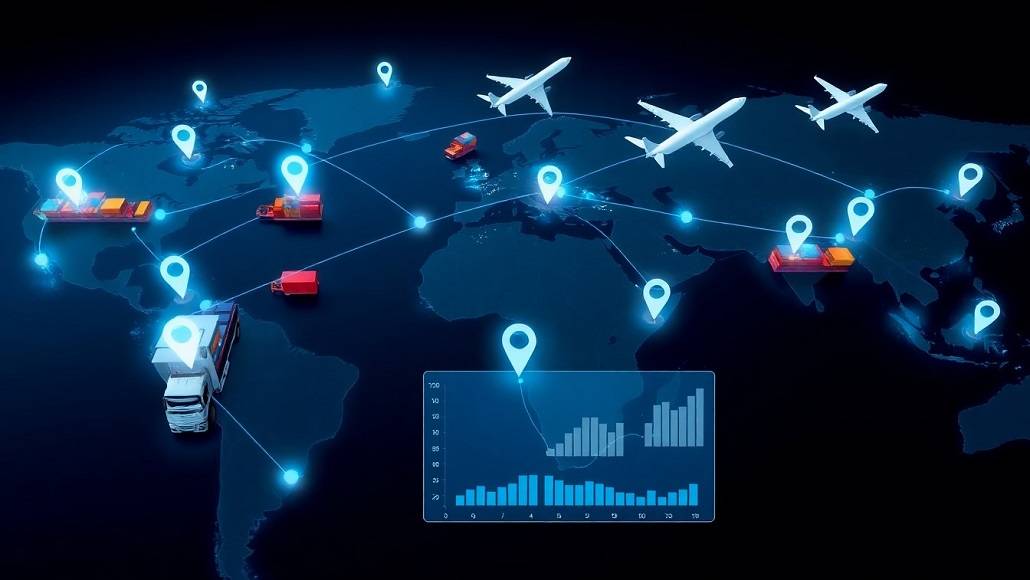
This systemic reshaping is largely a response to the vulnerabilities exposed by recent trade disputes, international conflicts, and the imposition of sanctions, all of which have made traditional corridors less dependable. As businesses and nations seek to move away from a reliance on any single region or route, the Middle Corridor, which is also identified as the Trans Caspian International Transport Route, has gained significant traction. This specific pathway creates a direct link between China and the European continent by traversing Central Asia, the Caspian Sea, and the South Caucasus. While Azerbaijan anchors this East-West connection, other emerging paths, such as the North South routes that connect Russia, India, and Iran, are also seeing increased relevance within the global transport and logistics routes. In this context, infrastructure has evolved into a strategic instrument of influence, as countries invest heavily to secure their positions as indispensable transit hubs and strengthen their geopolitical standing.
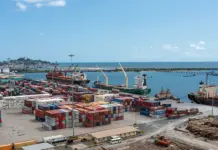
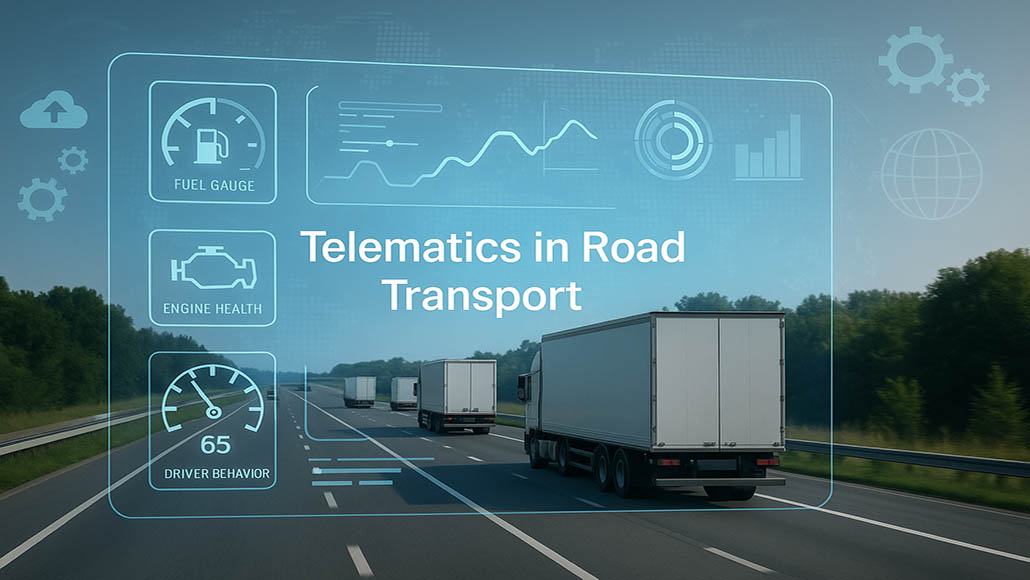
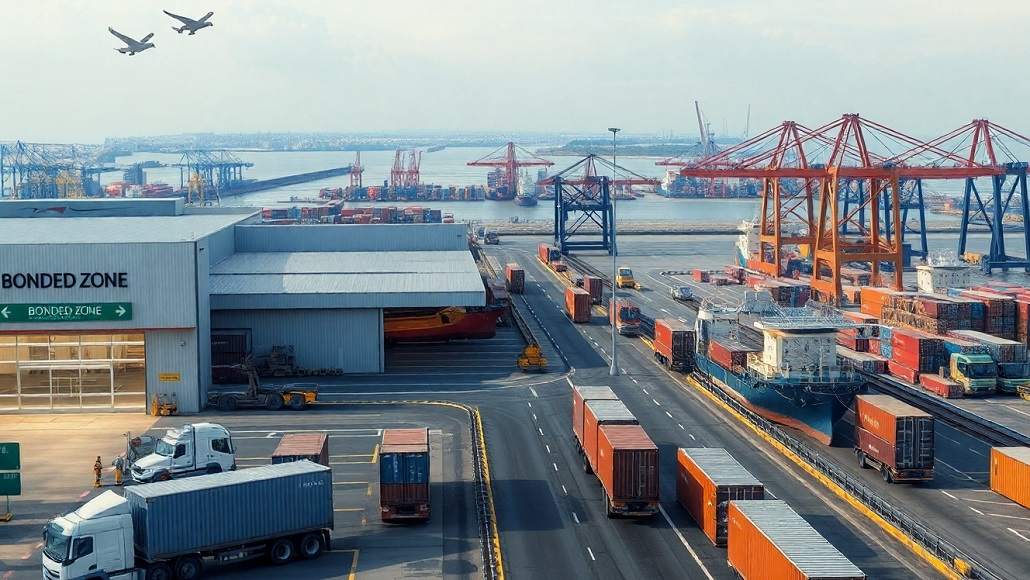
The modernization of these networks is further accelerated by the integration of advanced technology, which is enhancing the transparency and coordination of supply chains. The industry is currently exploring the potential of digital platforms, data analytics, and real-time tracking to optimize the movement of goods, while automation in warehouses and ports is helping to lower operational costs and increase transit speeds. Innovations like blockchain are also being tested to improve the traceability and security of international shipments. In tandem with these technological shifts, countries are implementing aggressive policy reforms, such as the streamlining of customs procedures and the introduction of reduced tariffs, to attract higher volumes of transit traffic. Although maritime transport continues to be the primary method for long-distance international trade, ports are being extensively upgraded to better integrate with rail and road networks, creating a more seamless multimodal system within the global transport and logistics routes.
Despite the clear opportunities for economic growth, the evolution of these trade corridors faces substantial hurdles, including significant investment requirements and the need for better coordination between nations with differing standards or priorities. Regulatory gaps and political instabilities continue to pose risks that can limit the overall effectiveness of new transit pathways. Furthermore, policymakers must navigate the environmental consequences of increased transport activity, attempting to balance the economic gains of shorter, more efficient routes with the environmental impact of massive infrastructure expansion. As geopolitical tensions persist, the drive for diversification is expected to accelerate, potentially leading to more fragmented or highly integrated systems depending on how technological and economic factors interact in the coming years. Ultimately, the successful development of these new systems will be a defining factor in the future of international connectivity and the stability of the global transport and logistics routes.
