











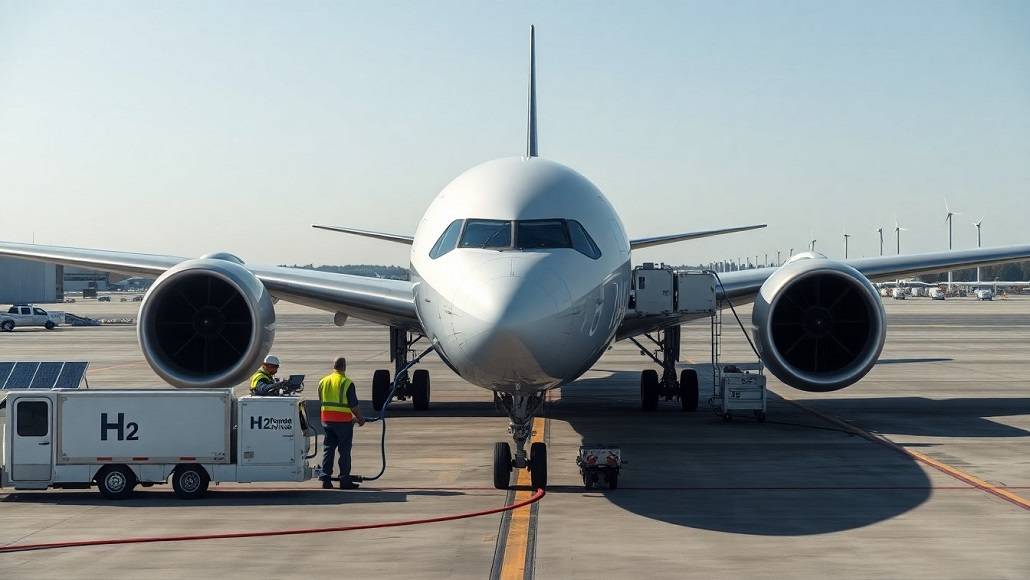







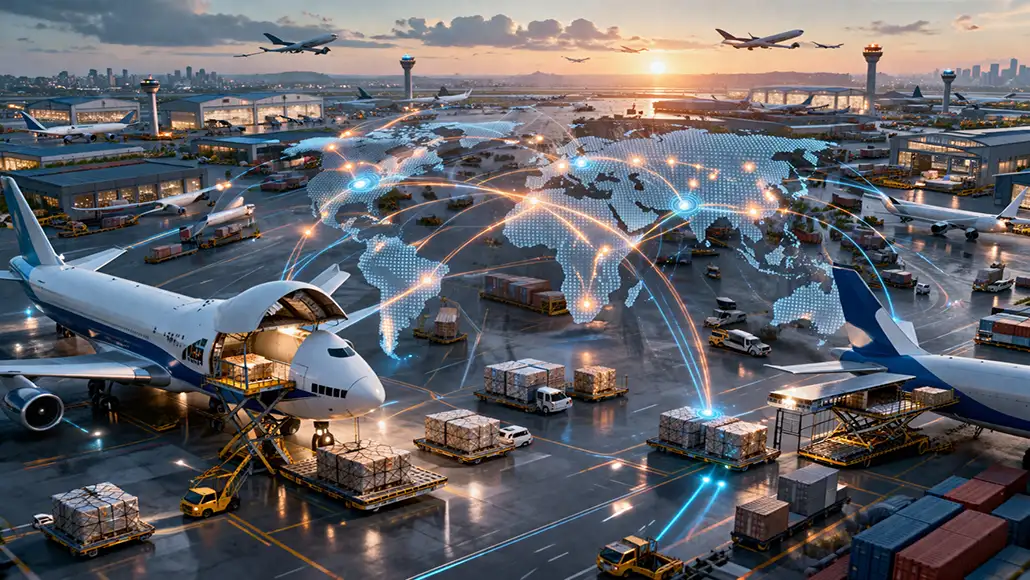
In the dynamic arena of global commerce, few sectors have experienced as profound and transformative an evolution as air cargo. What was once a relatively predictable, often hub-centric operation has, over the past few years, embarked upon a significant air cargo network shift, reshaping its very foundations. This isn’t merely an incremental adjustment, it represents a fundamental re-evaluation of strategy, infrastructure, and operational philosophy, propelling the industry towards a more resilient, diversified, and agile future characterized by multi-hub logistics growth. Transport Advancement has noticed that these ripple effects of this change are felt across global trade lanes, influencing everything from manufacturing schedules to direct-to-consumer delivery promises.
The conventional wisdom that underpinned air freight for decades, a centralized hub-and-spoke model, while efficient in its prime, has revealed inherent vulnerabilities when confronted with unprecedented global disruptions. The pandemic-induced chaos, coupled with escalating geopolitical tensions and an explosion in e-commerce demand, served as a stark catalyst. Carriers, logistics providers, and indeed, entire nations, recognized the urgent imperative to de-risk and accelerate supply chains. This recognition has spearheaded the current air cargo network shift, advocating for a departure from singular points of failure and embracing a distributed, interconnected paradigm that promises greater reliability and responsiveness.
The Genesis and Evolution of Air Cargo Networks
Historically, air cargo networks were meticulously designed around a few major global hubs. This model, optimized for maximizing economies of scale, involved channeling vast quantities of freight through nodal points like Memphis, Frankfurt, or Anchorage, before distributing them to their final destinations. The efficiency was undeniable; consolidating cargo onto fewer, larger aircraft could reduce operational costs and simplify routing. However, this very strength became its Achilles’ heel when unforeseen events, whether natural disasters, health crises, or labor disputes, crippled these critical hubs. A bottleneck at one major airport could, and often did, cascade into widespread delays and disruptions across entire continents, severely impacting global trade and highlighting the fragility of an over-reliance on single-point aggregation.
The vulnerabilities exposed during these periods acted as a powerful impetus for change. Stakeholders across the logistics spectrum began to question the long-term viability of a system so susceptible to localized shocks. The conversation quickly moved beyond merely mitigating immediate crises to fundamentally redesigning the architecture of the air cargo network. This pivotal moment marked the real inception of the drive towards multi-hub logistics, an approach that decentralizes risk and enhances the ability to adapt to an ever-unpredictable global environment. It’s a strategic pivot, acknowledging that while efficiency is paramount, it must be balanced with an equally robust focus on resilience and flexibility.
Driving Forces Behind the Transformative Shift
Several potent factors are converging to accelerate this profound air cargo network shift, each playing a crucial role in redefining the operational blueprint for carriers and logistics providers worldwide.
The Unstoppable Momentum of E-commerce
The meteoric rise of e-commerce has been arguably the most significant single driver. Consumers, accustomed to instant gratification, now expect rapid, often next-day or even same-day, delivery of goods purchased online. This demand for speed and direct-to-consumer fulfillment bypasses traditional retail supply chains, requiring a fundamentally different logistics approach. Large, infrequent shipments through a central hub are increasingly ill-suited for the volume, velocity, and geographical dispersion of e-commerce parcels. Multi-hub strategies allow for more direct routes, closer proximity to end-consumers, and reduced transit times, directly catering to the pressing need for expedited freight delivery speed. This isn’t just about faster planes; it’s about smarter routing and more flexible ground support.
Responding to Supply Chain Disruptions and Geopolitical Realities
The lessons learned from the recent past concerning supply chain resilience have been indelible. Pandemics brought manufacturing to a standstill, congested ports, and grounded flights. Geopolitical shifts, trade disputes, and regional conflicts continue to introduce layers of uncertainty. In this volatile landscape, diversifying cargo routes and reducing dependence on specific choke points has become an economic imperative. A multi-hub air cargo network inherently offers greater redundancy and adaptability. If one route or hub becomes compromised, freight can be swiftly rerouted through alternative gateways, maintaining the flow of goods and ensuring supply chain continuity. This strategic diversification significantly mitigates risk and bolsters overall supply chain resilience, allowing businesses to navigate complex global dynamics with greater assurance.
Technological Advancements Powering Optimization
Innovation in technology is another critical enabler of this transformation. Advanced data analytics, artificial intelligence, and machine learning are revolutionizing network planning and optimization. These tools allow carriers and logistics providers to analyze vast datasets related to demand patterns, weather, geopolitical risks, and aircraft availability in real time. The insights derived from such analysis empower them to dynamically adjust routes, optimize cargo loads, and proactively manage potential disruptions within an evolving air cargo network. Automation in cargo handling, predictive maintenance for aircraft, and enhanced tracking systems further contribute to the efficiency and reliability of these complex, decentralized networks. As per the opinion of Transport Advancement, digital backbone is becoming as important as the physical infrastructure.
The Imperative of Sustainability
Growing global awareness of environmental impact is also subtly influencing the air cargo network shift. While air freight inherently has a larger carbon footprint than sea or rail, the drive for optimization within a multi-hub model can lead to more efficient operations. By reducing unnecessary transit points, optimizing flight paths, and maximizing cargo utilization on more direct routes, the industry can work towards lowering its carbon intensity per freight tonne-kilometer. Furthermore, the investment in newer, more fuel-efficient aircraft, often better suited for point-to-point operations within a multi-hub setup, aligns with the broader push towards sustainable practices and zero-emission goals across the logistics sector.
Deconstructing Multi-Hub Logistics
At its core, multi-hub logistics represents a strategic decentralization of the traditional air cargo network. Instead of a single, dominant central hub, an array of strategically positioned regional hubs and direct flight corridors are utilized.
Defining the Multi-Hub Paradigm
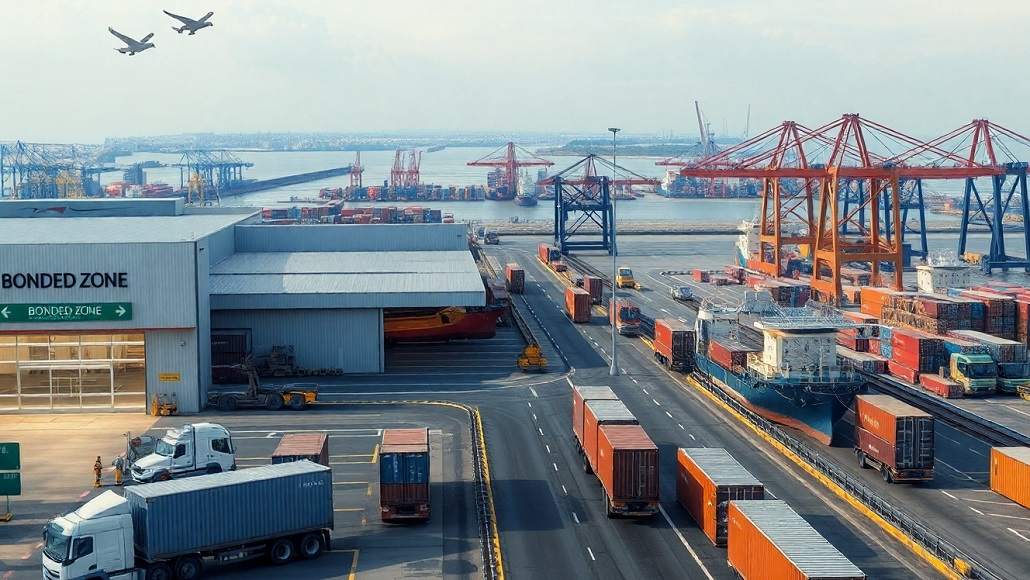
A multi-hub system involves operating through several interconnected smaller hubs or even a network of point-to-point routes that bypass primary hubs entirely for certain shipments. This allows for greater flexibility in origin-destination pairings and reduces the reliance on a single, congested artery. The emphasis shifts from consolidating everything in one place to distributing and optimizing cargo flow across a broader geographical spread, often utilizing mid-sized airports that might have been overlooked in the past. This approach is instrumental in achieving comprehensive logistics network optimization.
Distinct Advantages Over Traditional Models
The benefits of multi-hub logistics are multifaceted and compelling. Firstly, it significantly enhances resilience. By having multiple viable pathways, the network can absorb shocks and reroute cargo without suffering systemic collapse. Secondly, it drastically improves freight delivery speed. Direct flights or shorter connections through secondary hubs cut down transit times, a critical advantage for time-sensitive goods and e-commerce. Thirdly, it offers greater cost efficiency for specific segments, as smaller, more frequent flights between regional hubs can sometimes be more economical than sending cargo to a distant mega-hub only to be sent back out. Lastly, it provides unparalleled flexibility, allowing carriers to adapt quickly to changing market demands, seasonal peaks, and emerging global trade lanes.
Strategic Implications for Industry Stakeholders
The widespread adoption of this air cargo network shift carries significant implications for all players in the air cargo ecosystem, demanding strategic foresight and substantial adaptation.
For Air Cargo Carriers and Airlines
For airlines, the shift necessitates a re-evaluation of fleet composition and network planning. There’s a growing need for more versatile aircraft capable of efficiently serving a wider array of routes, including regional and secondary airports. This often means a balance between large freighters for trunk routes and medium-haul aircraft for intra-regional distribution. Cargo route diversification becomes paramount, requiring investments in new ground handling infrastructure at these secondary hubs and enhanced slot management strategies. Airlines must also bolster their digital capabilities to manage the increased complexity of multiple routes and dynamically adjust their schedules and capacity. This presents both a challenge and an opportunity for significant air freight growth for those who adapt swiftly.
For Freight Forwarders and Logistics Providers
Freight forwarders are at the forefront of orchestrating these complex multi-hub operations. Their role evolves from simply booking space to becoming strategic architects of sophisticated supply chains. This requires enhanced expertise in network design, leveraging advanced analytics to identify optimal routes, consolidate shipments across diverse hubs, and integrate various modes of transport for seamless door-to-door solutions. Investing in advanced visibility platforms and real-time tracking is crucial to provide shippers with the transparency they demand. The ability to offer tailored, flexible, and resilient solutions will be a key differentiator in a competitive market. They must become experts in multi-hub logistics optimization.
For Shippers and Global Businesses
For businesses that rely on air cargo, the multi-hub paradigm offers distinct advantages. They can benefit from improved visibility across their supply chains, with more options for routing their goods. Reduced lead times and enhanced reliability mean better inventory management, fewer stock-outs, and a more predictable flow of products to market. The ability to diversify transport partners and routes mitigates risks associated with single-source reliance, directly contributing to stronger supply chain resilience. Ultimately, this leads to greater operational agility and potentially significant competitive advantages in global markets. Businesses must work closely with their logistics partners to understand and leverage the evolving air cargo network.
Navigating the Challenges Ahead
While the benefits of the air cargo network shift are clear, the transition to widespread multi-hub logistics is not without its hurdles. Significant investment in infrastructure, particularly at secondary airports, is required to handle increased cargo volumes, ensure efficient ground operations, and provide necessary customs and security capabilities. Regulatory frameworks, often designed for centralized systems, may need to evolve to support more distributed networks. The integration of disparate data systems across multiple carriers, hubs, and logistics partners presents a substantial technological challenge, demanding robust cybersecurity measures. Furthermore, attracting and training skilled personnel, from air traffic controllers to logistics analysts, capable of managing these intricate networks will be crucial.
The Future Outlook: A Continuously Evolving Landscape
The trajectory of the air cargo industry points towards a future defined by continuous evolution and deeper integration. The air cargo network shift towards multi-hub logistics is not a final destination but an ongoing journey. We can anticipate further advancements in automation, potentially leading to more autonomous ground operations and even pilotless cargo aircraft on specific routes. Greater interoperability between air, sea, and land transport modes will create truly multimodal global trade lanes, offering even more diversified and optimized solutions. The role of sustainability will only grow, driving innovation in alternative fuels and more efficient aircraft designs tailored for these dynamic networks. The future air cargo network will be intelligent, interconnected, and inherently adaptable.
In conclusion, Transport Advancement believes the air cargo network shift is more than just a trend. it’s a fundamental re-engineering of how goods traverse our planet. Fueled by the insatiable demands of e-commerce, the stark lessons of supply chain fragility, and the relentless march of technological innovation, multi-hub logistics is emerging as the defining characteristic of modern air freight. This strategic pivot promises not only enhanced speed and efficiency but, critically, a level of resilience that empowers global trade to weather future storms with greater fortitude. Stakeholders who proactively embrace and invest in this transformative paradigm will undoubtedly be those best positioned to thrive in the complex, interconnected world of tomorrow’s logistics.
